You Can Never Be Too Sure
The automotive industry is complex; it has many facets that need constant oversight and proper handling. One major aspect is, of course, the production of the cars themselves, which entails many moving parts and people.
We’re so used to hearing that building cars today is state-of-the-art technology. Big factories with robots and humans working in harmony to build cars at a rapid rate to meet growing global demands. However, no matter how hard we try to ensure that each process and step is faultless, sometimes some issues do creep up.
Kristen Brown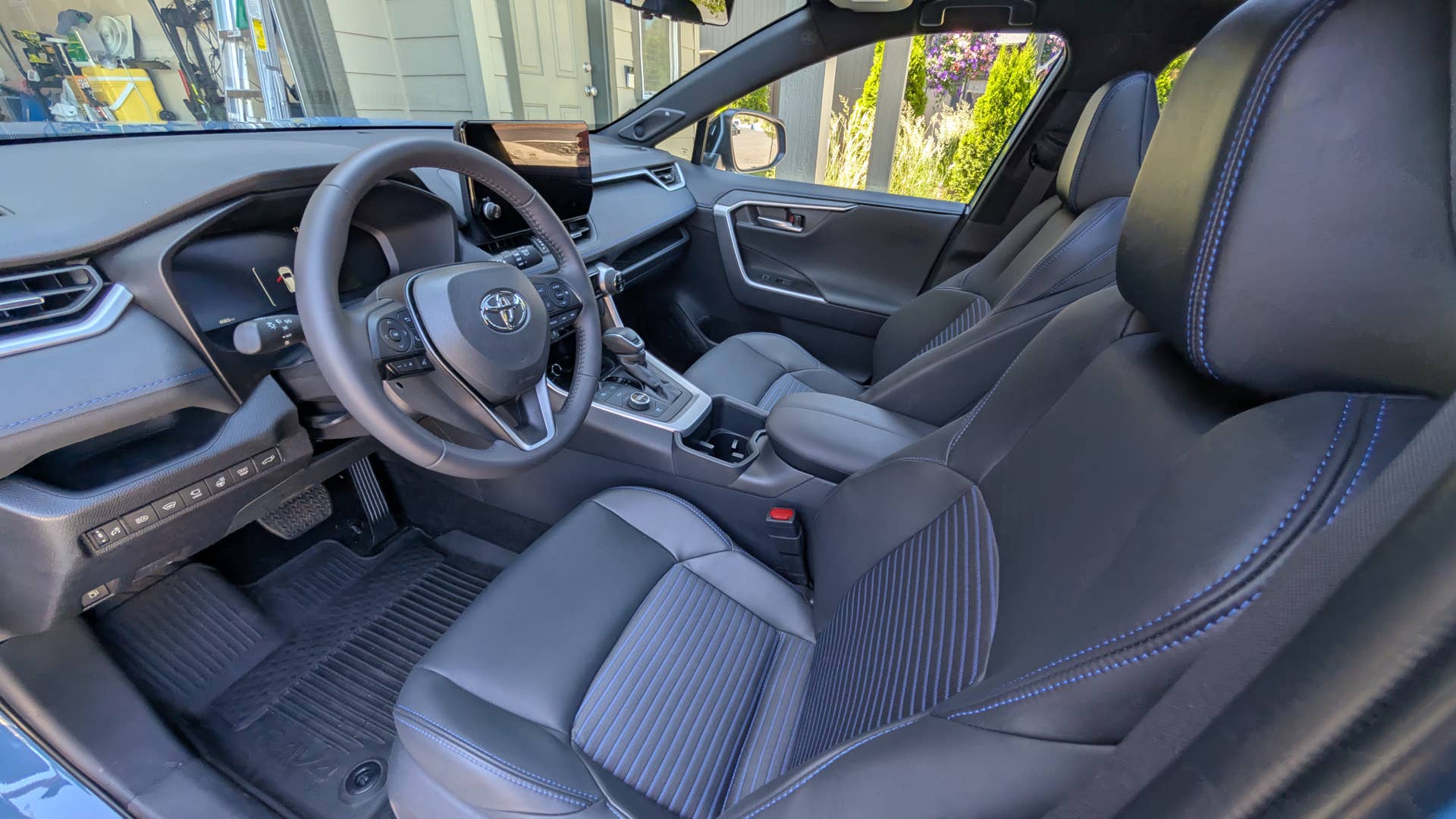
Unlucky Few
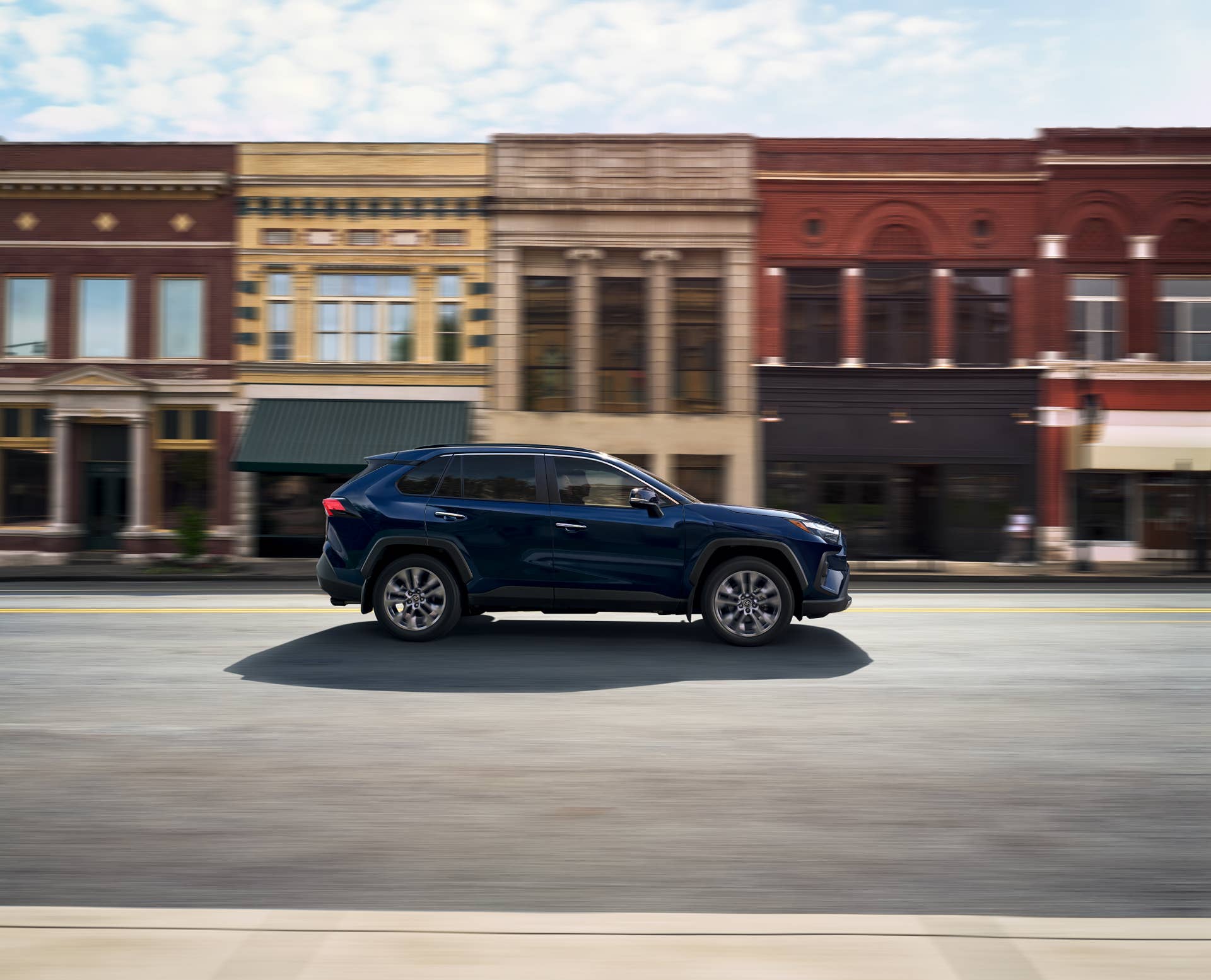
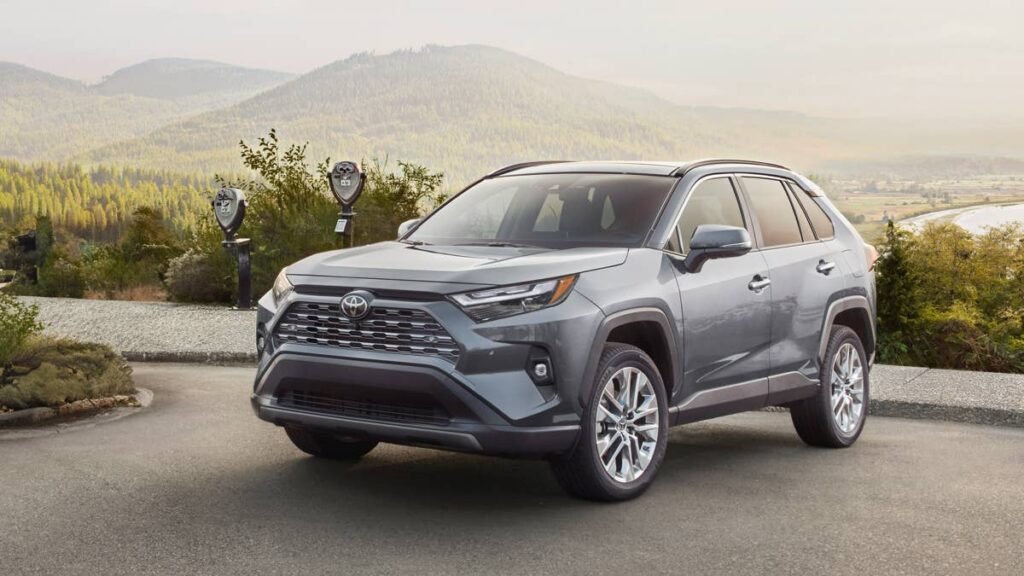
The National Highway Traffic Safety Administration (NHTSA) issued a safety recall involving the 2025 Toyota RAV4. What makes this particular recall report interesting is the number of affected cars; we’re so used to the idea that most recalls number in the hundreds, thousands, or even hundreds of thousands. This recall advisory only affects 4 RAV4 units built from November 28 to December 1, 2025.
The report explains why only four cars from those production days were affected by the recall. It says that some of the cars built during that same period were not sold in the U.S., while the RAV4s were the only ones that made their way to U.S.-based customers covered by the NHTSA.
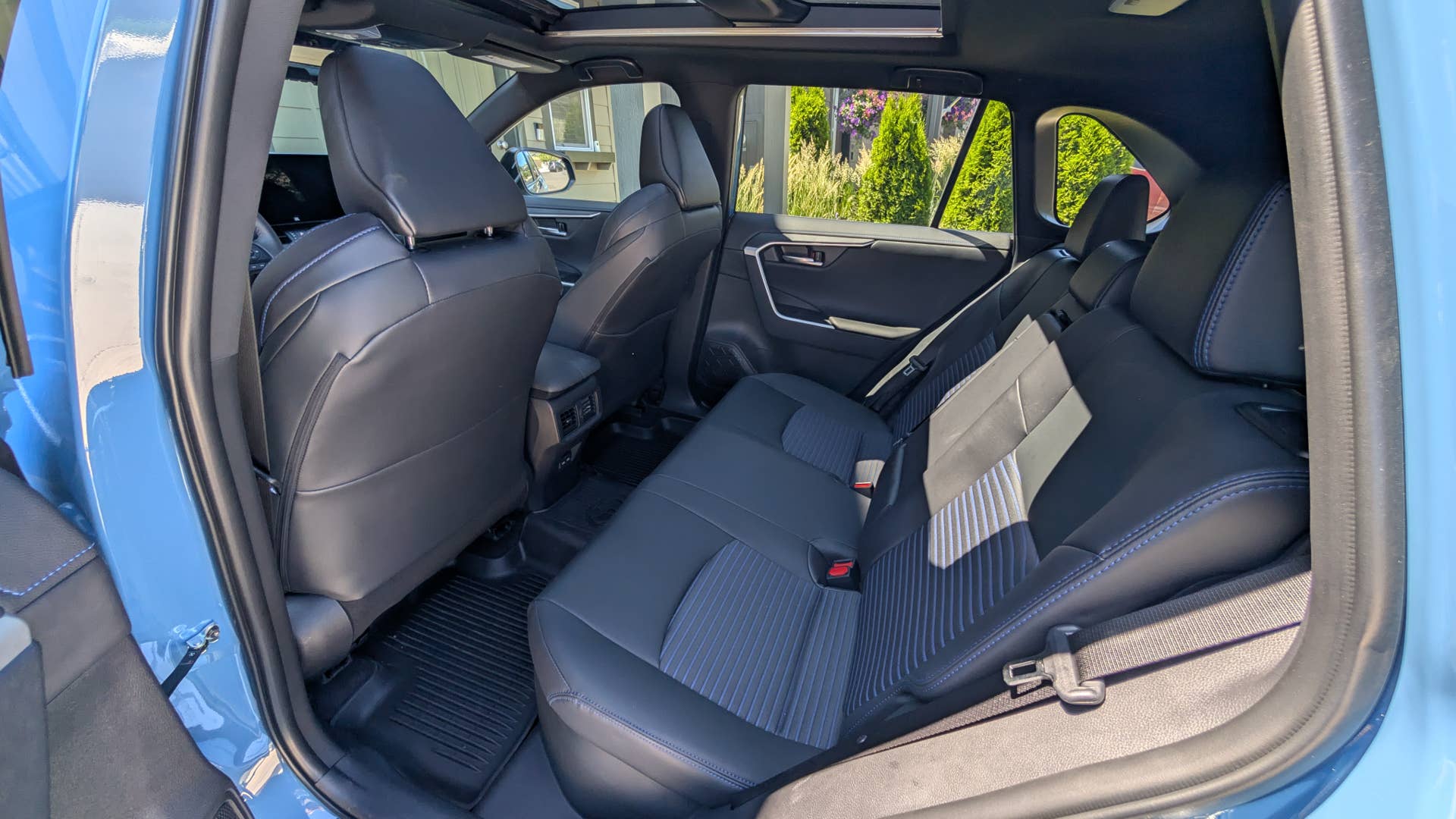
In the report, the specific default associated with the Rav4 is described in detail, but it basically boils down to the seat brackets welded to the car’s actual body/frame. According to the detailed explanation, depending on the condition of the welding equipment at the time, some brackets might be missing the bonding welds. In short, the seat might not be properly welded to the car, which may increase the risk of injury in an accident.
Kristen Brown
Inspection Pays Off
The lack of the welds, which prompted the recall, was discovered during a routine inspection by a supplier. The supplier identified missing welds on the driver-side seat brackets to which the seat rails are mounted. Toyota was then informed, and a more formal investigation into the matter was conducted.
It was found that something was attached to the welding robot, which caused interference during the actual welding of the seat bracket to the car body.