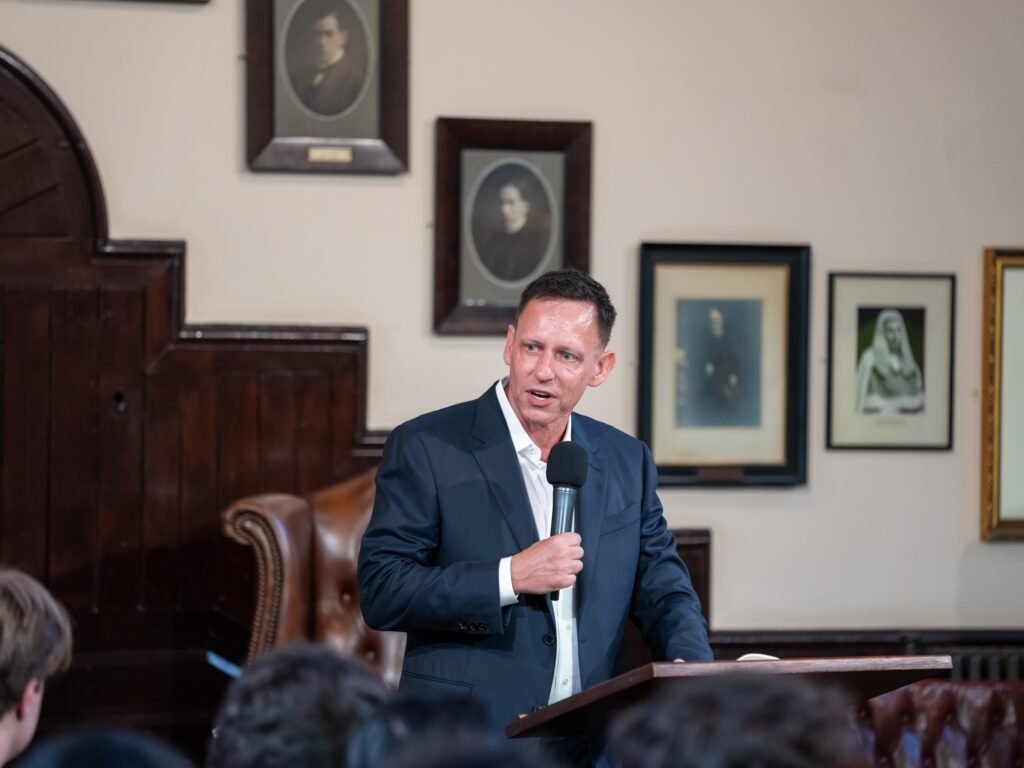
Nordin Catic/Getty Images for The Cambridge Union
- Peter Thiel is reportedly spending more time in Argentina.
- His flirtations with a new nation are part of a trend among the world’s wealthiest, advisors say.
- Argentina may be a risky choice, but for billionaires, that may not be the point.
Peter Thiel appears to have found a new bug-out spot. He isn’t alone in looking beyond America’s shores.
The PayPal and Palantir cofounder and prominent libertarian has been spending more time in Argentina, The New York Times reported, where he has enrolled his children in school and bought a home in one of Buenos Aires’ wealthiest neighborhoods.
Among the ultrawealthy, that fits a larger pattern. The rich are treating their lives in America like part of an investment portfolio: still worth betting on, but increasingly in need of a hedge.
“There’s a clear trend toward sovereign diversification,” Charlie Garcia, founder of centimillionaire membership club R360, said, including “multiple passports, multiple tax regimes, and at least one ‘Plan B’ jurisdiction in the Southern Hemisphere.”
There are plenty of places competing to become the new billionaire hot spot. Last year, New Zealand saw a spike in American applications after relaxing rules around its golden visa investment program. Costa Rica and Thailand have also seen jumps in the number of high-earning migrants.
And some wealthy people are fully relocating their lives, rather than buying secondary homes abroad. Last year, a record 142,000 high-net-worth individuals — defined as people with over $1 million in liquid assets — migrated to new countries, according to private wealth research firm Henley & Partners. That number is expected to balloon past 165,000 this year.
But migration is only part of the story. For the richest families, the bigger play is optionality.
Garcia said taxes are a major motivator. In California, where many of America’s richest people built their companies, legislators are considering a ballot proposal that could impose a one-time 5% tax on the net worth of billionaires residing in the state. New York City just passed a pied-à-terre tax aimed at high-end secondary homes.
There are also darker, maybe chimerical concerns about political realignments and existential global threats, from artificial intelligence going sideways to nuclear escalation.
“It sounds melodramatic until you’ve sat through the off‑the‑record dinner conversations,” Garcia said. “For that crowd, the Southern Cone looks like a literal and figurative safe distance.”
Still, Argentina is an unusual hedge, Garcia said. The country has a long history of inflation, currency crises, capital controls, and abrupt legal changes — exactly the sort of instability wealthy families typically hate.
That tension may be the point. Argentina does not have to become the next Miami to matter. For the billionaire class, it’s another door they can keep open.
Representatives for Thiel didn’t immediately respond to a request for comment.