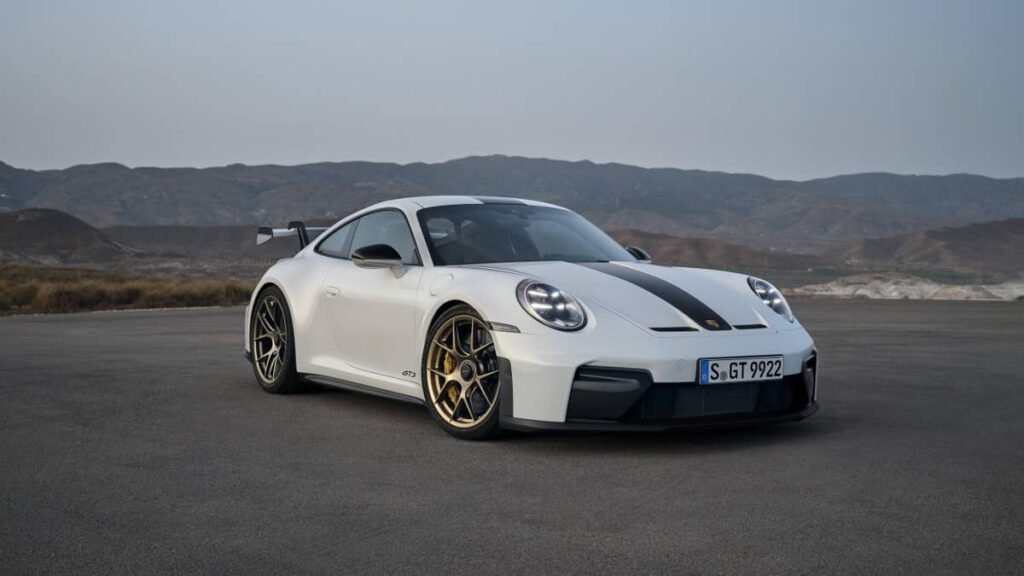
The headline number reflects a brand in the middle of a difficult transition, not in crisis. Porsche attributed the drop to the wind-down of the combustion-engined 718, unusually strong demand for the electric Macan in the same period last year, and the expiration of US tax incentives for electric and hybrid vehicles. Sales boss Matthias Becker described the roughly 122,000 deliveries as “below the same period last year but in line with our expectations,” and pointed to fresh products and the ongoing rollout of the Cayenne Electric as reasons for optimism heading into the second half.
Porsche
Where the declines came from
The regional picture was uneven. China was the softest market by far, down 32% to 14,501 cars, which Porsche blamed on a challenging environment and its own decision to prioritize value over volume there. North America held onto its place as the largest single region with 37,712 deliveries, though that was still a 13% decline tied to the lapsed US incentives and the end of the 718.
Elsewhere, Europe excluding Germany fell 14% to 30,278 cars, Porsche’s home market of Germany slipped 6% to 14,938, and the Overseas and Emerging Markets region dropped 18% to 24,877, hurt by the 718’s exit and instability in the Middle East.
The 911 bucks the trend
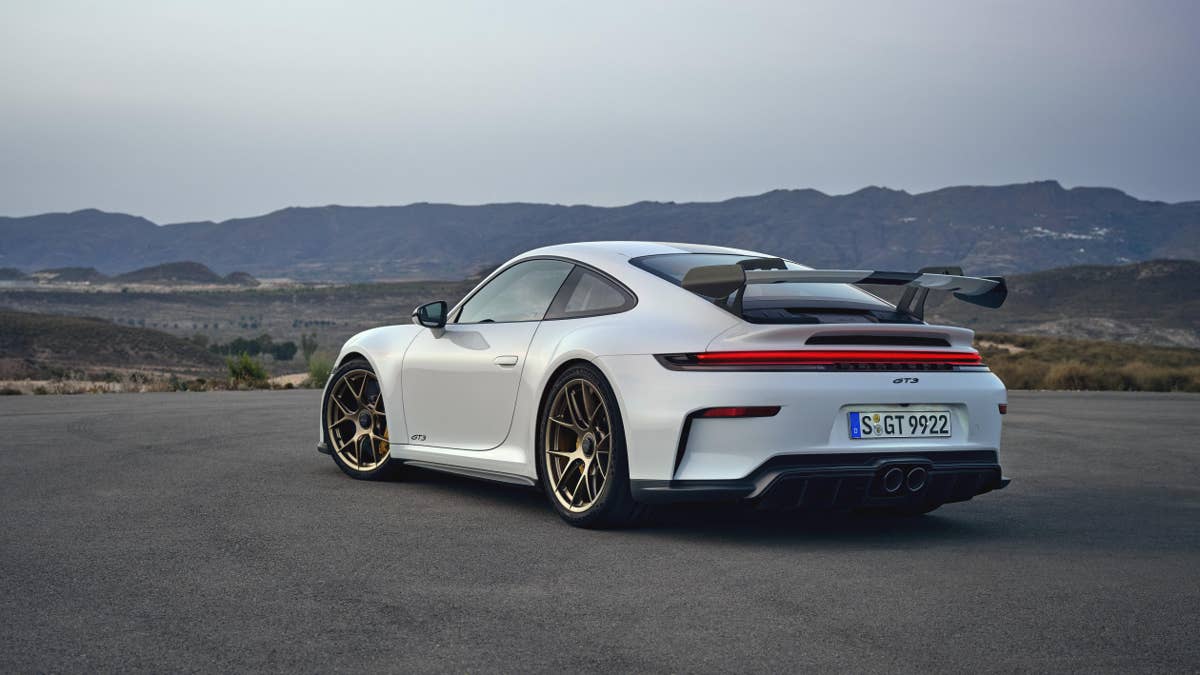
Against that backdrop, the 911 was a genuine highlight, with 30,534 cars delivered, a 19% increase driven by steady demand and the phased launch of new derivatives, including a healthy mix of GTS, Turbo, and GT variants. It is a reminder that Porsche’s core sports car remains as desirable as ever, even when the broader lineup is under pressure.
Porsche
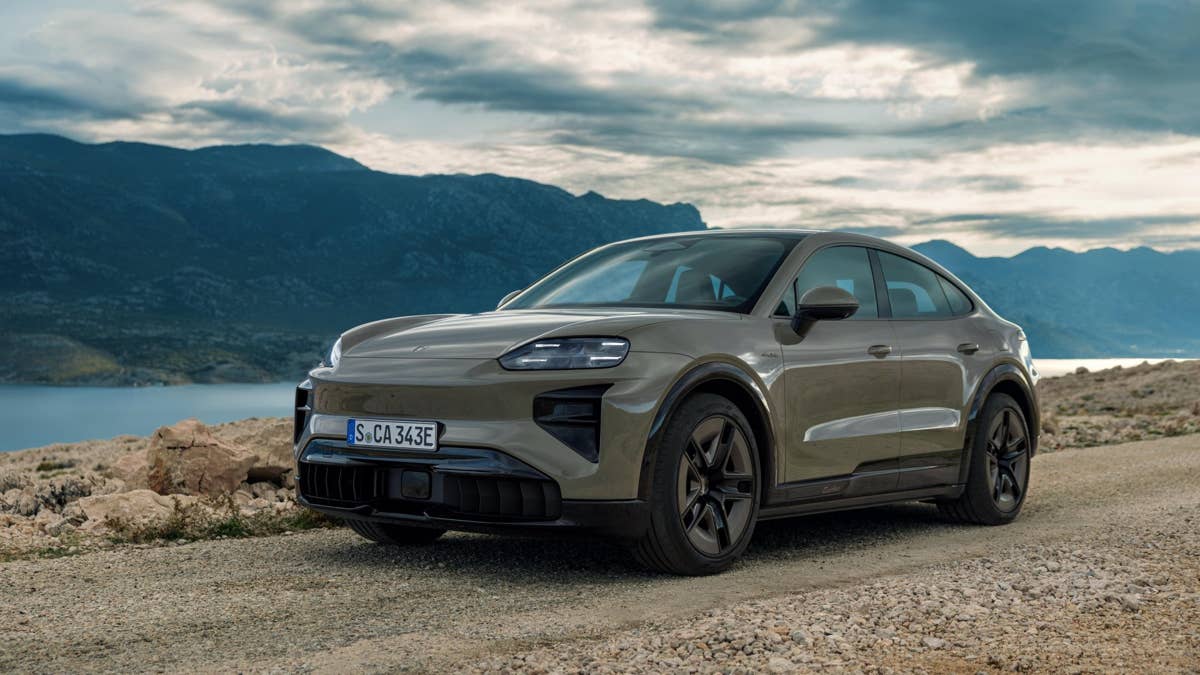
The Cayenne, meanwhile, was the brand’s strongest-selling model line at 38,141 deliveries, down a comparatively mild 9%. Crucially, customer deliveries of the new Cayenne Electric began at the end of June, opening a new chapter for Porsche’s best-seller.
A lineup caught mid-transition
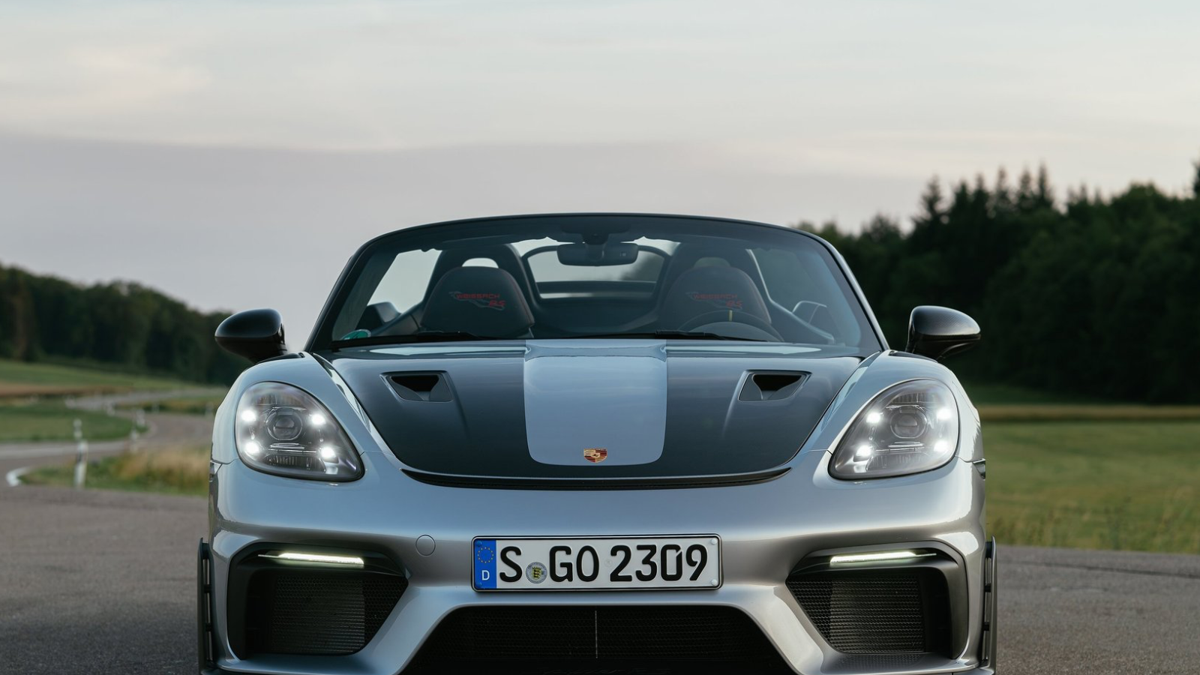
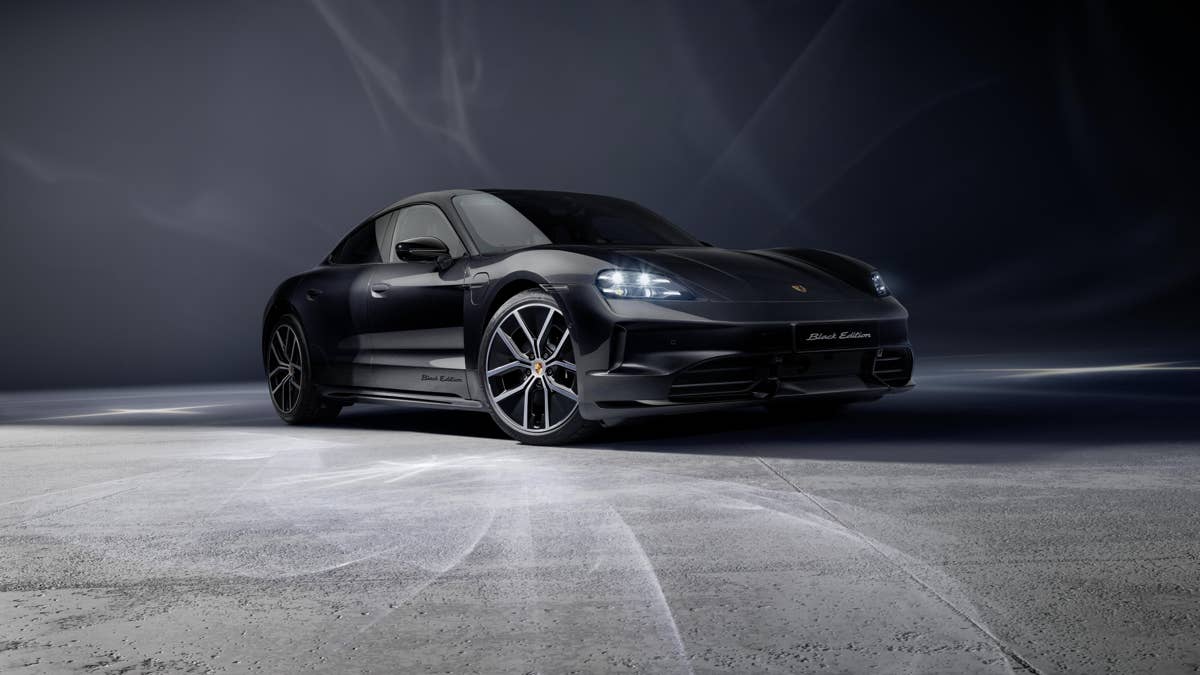
The rest of the range shows the cost of combining combustion and electric power. The Macan fell 22% to 35,315 cars, split between 19,695 combustion models and 15,620 electric ones, with production of the gas Macan set to end in late July. The Panamera dropped 38% to 9,308, largely because of a temporary product gap in China that has since been filled. The 718 Boxster and Cayman, whose production ended in October 2025, managed just 2,789 deliveries, a 73% collapse, while the Taycan fell 25% to 6,219.
What it means
Porsche is wrestling with the same forces buffeting the wider luxury market: cooling electric-vehicle demand, a weak and fiercely competitive China, and shifting US policy. Yet the surging 911 and a recent number-one ranking in a closely watched US initial-quality study suggest the brand’s foundations are intact. Porsche has framed 2026 as a year to realign its portfolio with demand, and it has promised more detail on its longer-term Strategy 2035 at a Capital Markets Day in the autumn. For now, this reads as a reset rather than a retreat.