With the announcement of the V16-powered Tourbillon, Bugatti put an end to speculation that its Chiron successor might be a rebodied Rimac Nevera, but even so, the ultra-luxury automaker has been forced to adopt a form of electrification with the hybrid system supporting that enormous engine. And according to a report from Autocar, it may be embracing further electrification, though the form it will take is unclear. The British publication reports, following a discussion with Rimac Group Chief Operating Officer Nurdin Pitarevic, that Rimac is in the advanced stages of producing solid-state batteries, and that these are expected to be on the market by the end of the decade. Specifically, their first application will be in a new Bugatti model, due in 2030.
What Bugatti Might Be Working On
Bugatti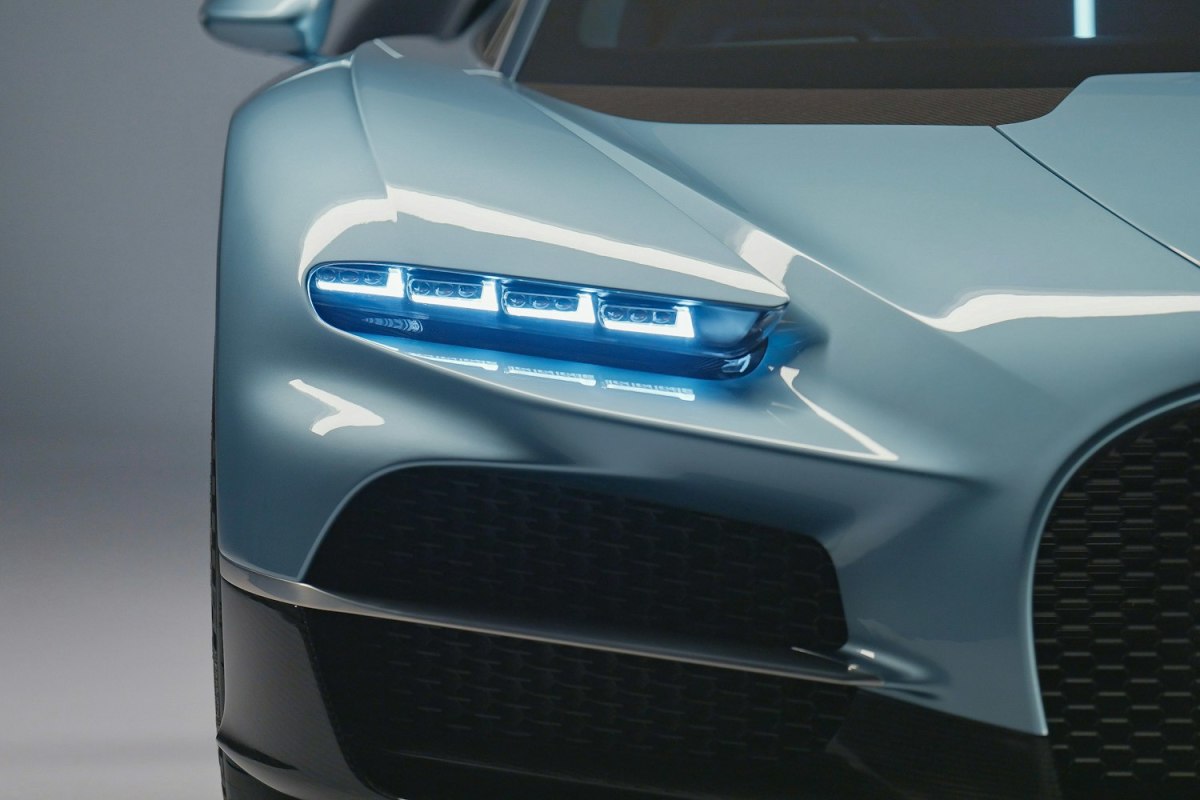
The Bugatti Chiron debuted in 2016 and stayed in production until 2024, thanks to various special editions. Presumably, the Tourbillon will have a similar lifecycle, though that’s far from explicitly confirmed. The Toubillon was unveiled last year, and final deliveries are expected to take place sometime in 2029. Thus, it’s not inconceivable to imagine that this new solid-state battery may be earmarked for a Tourbillon final edition, like a Super Sport model, for example, or it could find a home in that car’s replacement. Or maybe even a differently named derivative (as the Divo, Centodieci, and Bolide were). It would make sense for an ultralight, ultra-high-energy-density battery to be implemented in the ultimate version of the Tourbillon, but could it have another, all-electric application for Molsheim’s famed manufacturer? The European Union is reportedly backing down from its 2035 combustion ban, moving it back to 2040, so an EV is unlikely to be strictly necessary, but that doesn’t mean it’s not worth developing.
Mate Rimac Has Hinted at the Timing of a Bugatti EV
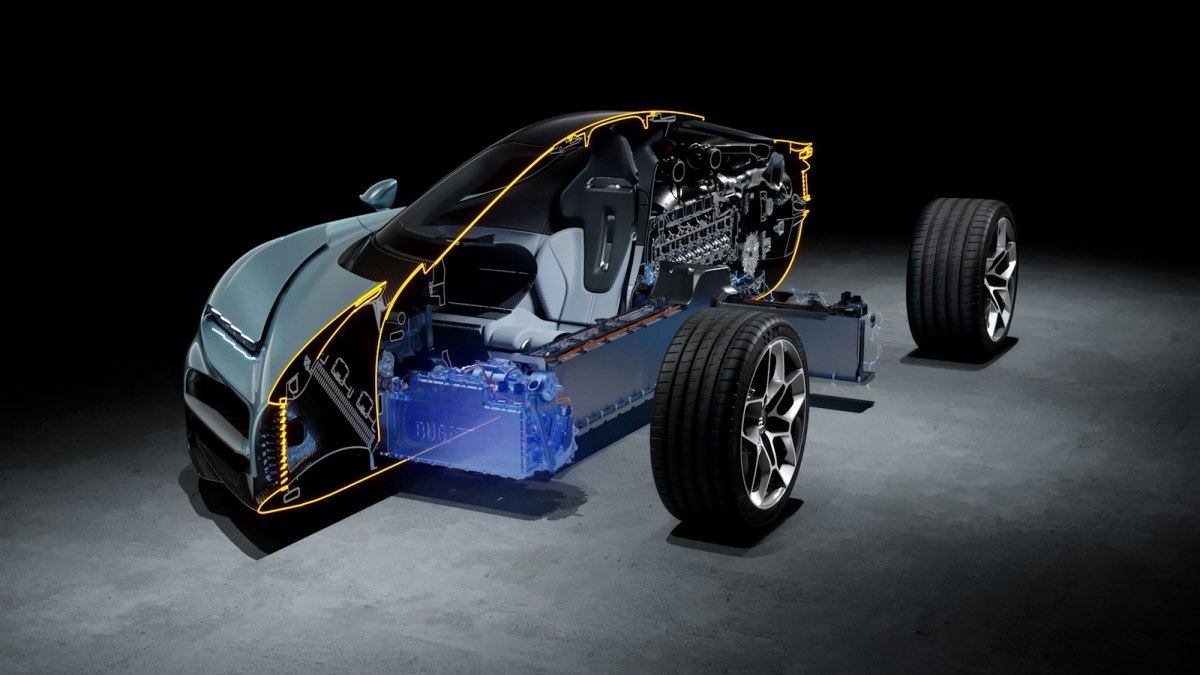
Not too long ago, Bugatti-Rimac CEO Mate Rimac told German outlet Automobilwoche that neither an SUV nor an EV would be produced by the French brand within the following decade. That promise was made in 2022, and although it delighted fans of the internal combustion engine to know that Bugatti would not build an EV anytime soon, hindsight may suggest that Mr. Rimac was already aware of the timeframe in which a Bugatti EV would arrive; was he hinting that an EV would be presented around or shortly after 2030? As much as legislation has seesawed over the last five years and currently seems to favor continued combustion, it makes sense for a world-leading brand like Bugatti to be prepared for any eventuality and offer the best of any permissible automotive technology. And while purists may not like the idea, even McLaren and Bentley have begun work on electrified SUVs because these are easier to drive every day than hypercars and supercars. In a nutshell, Bugatti may be working on a unusually light all-electric car of some sort, or it may simply be preparing an even more impressive hybrid than the already astonishing Tourbillon, but either way, that new vehicle arriving in 2030 will change the game for electrified technology.