Rivian CEO RJ Scaringe isn’t shy about where the brand is headed. In a recent interview on InsideEVs’ Plugged-In Podcast, he confirmed that Rivian is on track to deliver hands-free driving across highways and city streets, with full point-to-point capability targeted for 2026. It’s an ambitious goal, and Rivian has a track record of overpromising, but if this timeline sticks it would mark a major step forward in how we use our cars. No hands on the wheel, no eyes locked on the road.
The Promise of Point-to-Point Driving
Scaringe described Rivian as being on the “precipice” of a major leap forward. Hands-free systems on highways aren’t new, but extending that tech into the stop-and-go chaos of city driving and putting decision-making power into the hands of technology is a much bigger challenge. Rivian plans to show its progress at an upcoming Autonomy Day, where it will demonstrate how close it really is. If things stay on schedule, Rivian’s recently updated R1T pickup and R1S SUV could join the very short list of vehicles offering true point-to-point capability.
How Hard Is Level 3, Really?
AOL On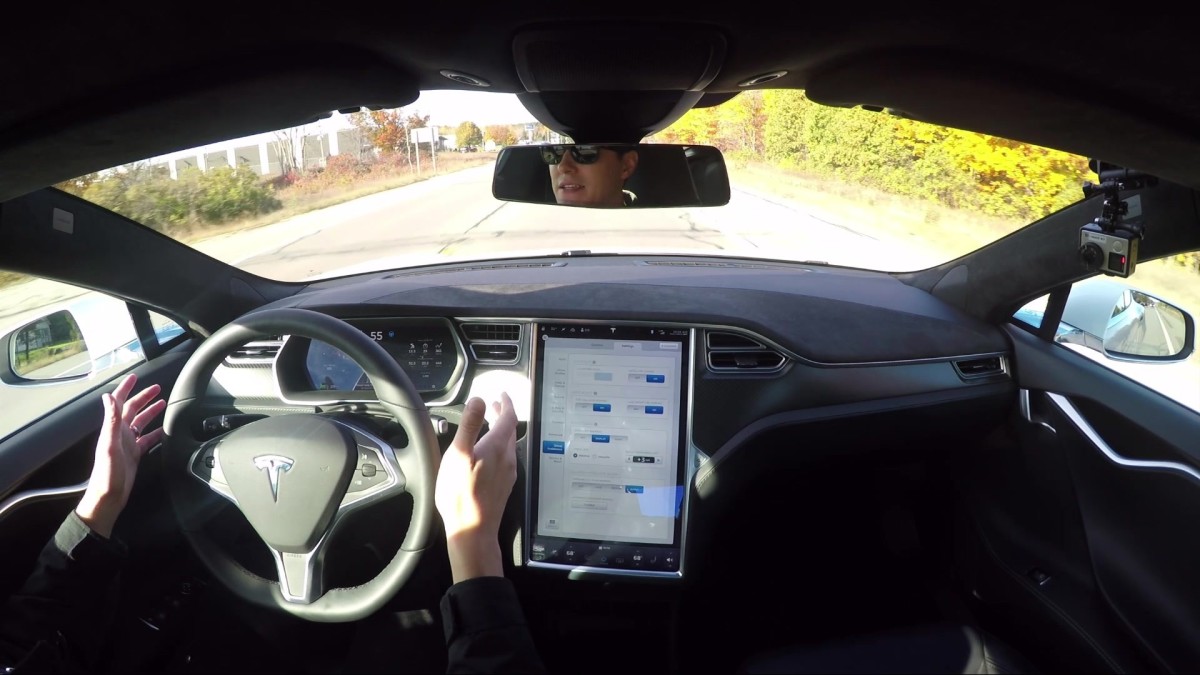
Autonomy is measured on a scale from Level 0 to Level 5. Most vehicles on the road today top out at Level 2, where the car can steer, accelerate, and brake, but the driver must remain alert and responsible, as we’ve seen with the recent Tesla Autopilot lawsuits. Level 3 is the turning point. In certain conditions, the car takes over full responsibility for driving decisions, not the human. That jump has proven extremely difficult. Technical hurdles, unclear laws, and safety concerns have slowed even the most advanced players. Mercedes has a certified Level 3 system in Germany and Nevada, but its use is tightly limited. Tesla, despite years of promises, is still operating at Level 2.
The Importance of Autonomous Driving in the Future
Rivian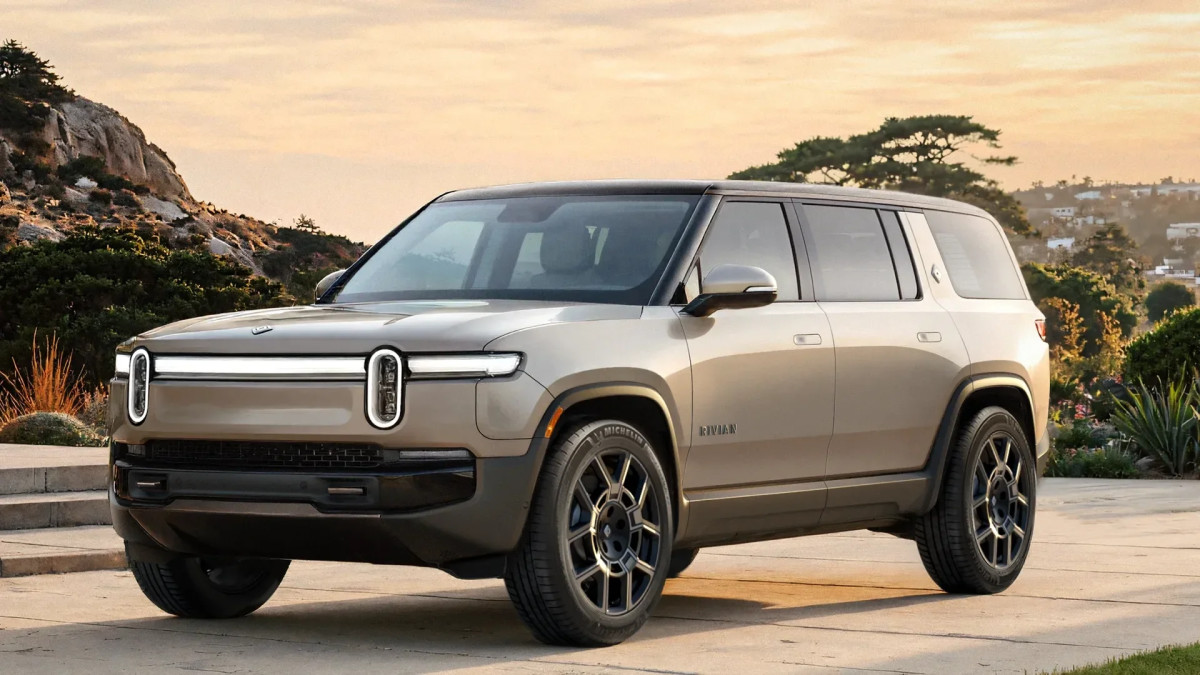
Beyond the tech, hands-free driving is quickly becoming one of the most in-demand features in new cars, for EVs especially. Soon, autonomy may become a key purchase driver for EV buyers, right alongside range and charging speed. Scaringe also believes electrification and autonomy reinforce one another, since the most advanced systems are expected to arrive first on electric vehicles. Looking at the big picture, it’s clear that autonomy is no longer just a feature reserved for the uber-rich and sci-fi screenwriters. It’s shaping the future of everyday vehicles.