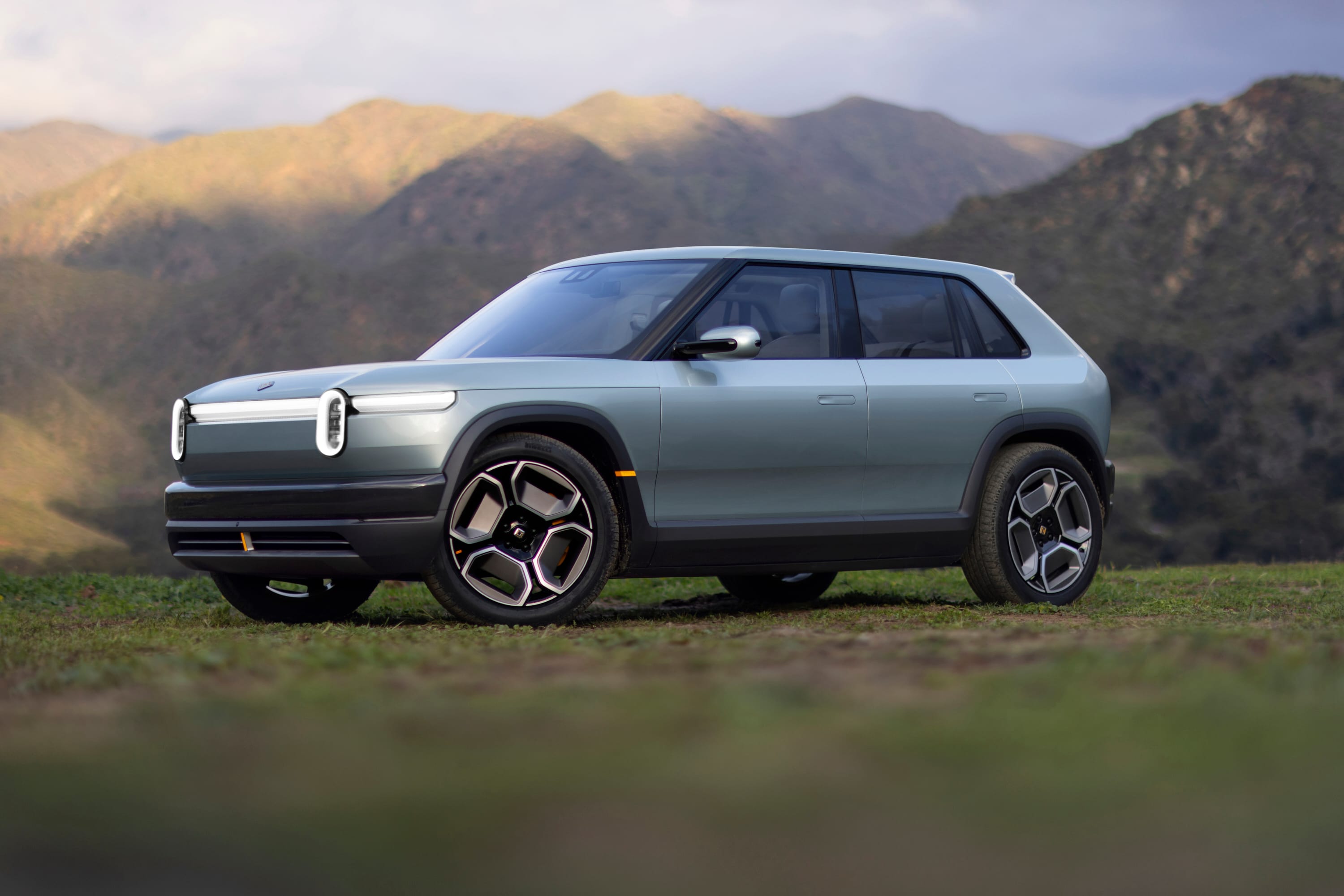
Earlier this year, the Rivian R2 was launched as a smaller, nimbler, and more affordable take on the R1S, and it was a hit. But Rivian has even smaller and cheaper products in the pipeline, and in a recent interview, CEO RJ Scaringe promised that they’d be considerably more attainable, starting with the R3 and then the R4. Speaking with The New York Times, Scaringe said, “The next product, which we creatively call R3, is going to take the price point down. We haven’t announced pricing yet, but it will move materially lower. There’s a product beyond that, called R4, which again moves that further.”
Upcoming Rivian R3 Could Start Under $40k
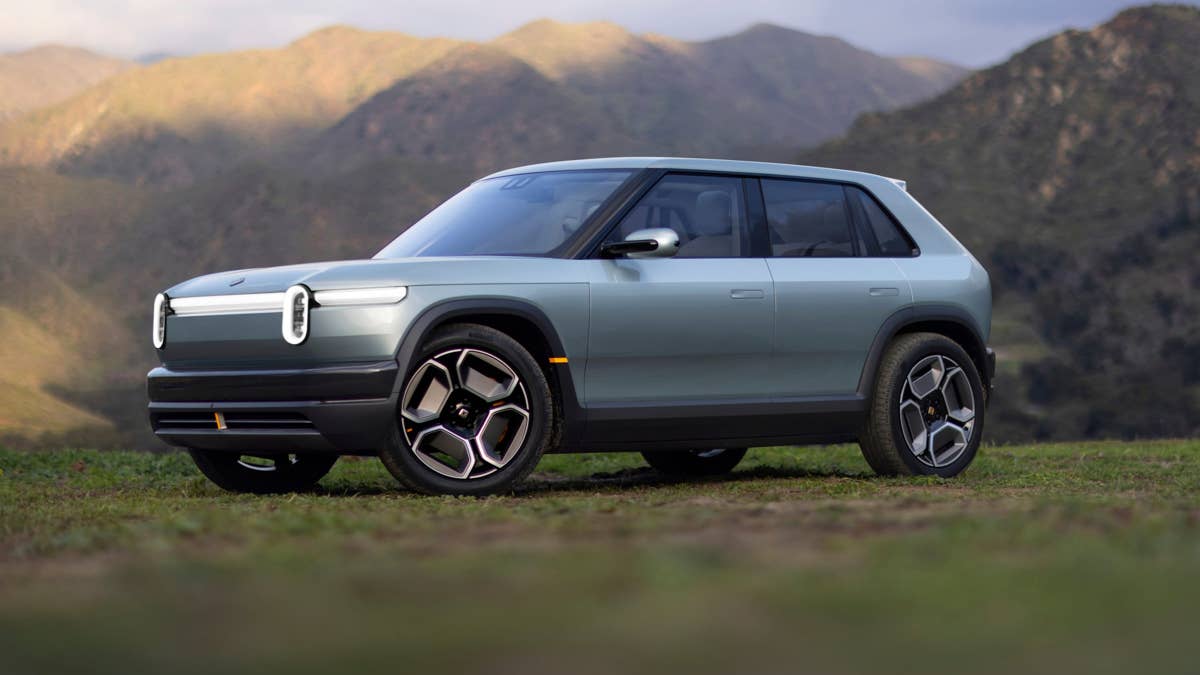
Scaringe didn’t provide any specifics on pricing for the R3 or the R4, but with the R2 currently available at nearly $60,000 in Performance Edition with Launch Package guise, and a more affordable trim coming in 2027 targeting a price of $44,990 before destination, it’s safe to assume that the R3 wants to be priced under $40,000, competing against the likes of the Hyundai Ioniq 5, Subaru Unharted, and Toyota bZ. As with the R2 and R1, the R3, which will be produced in Rivian’s upcoming Georgia facility, will debut in a costly trim first, specifically the off-road-biased R3X, and it’s worth remembering that the R3 is unlikely to arrive before 2028, by when pricing constraints may have changed.
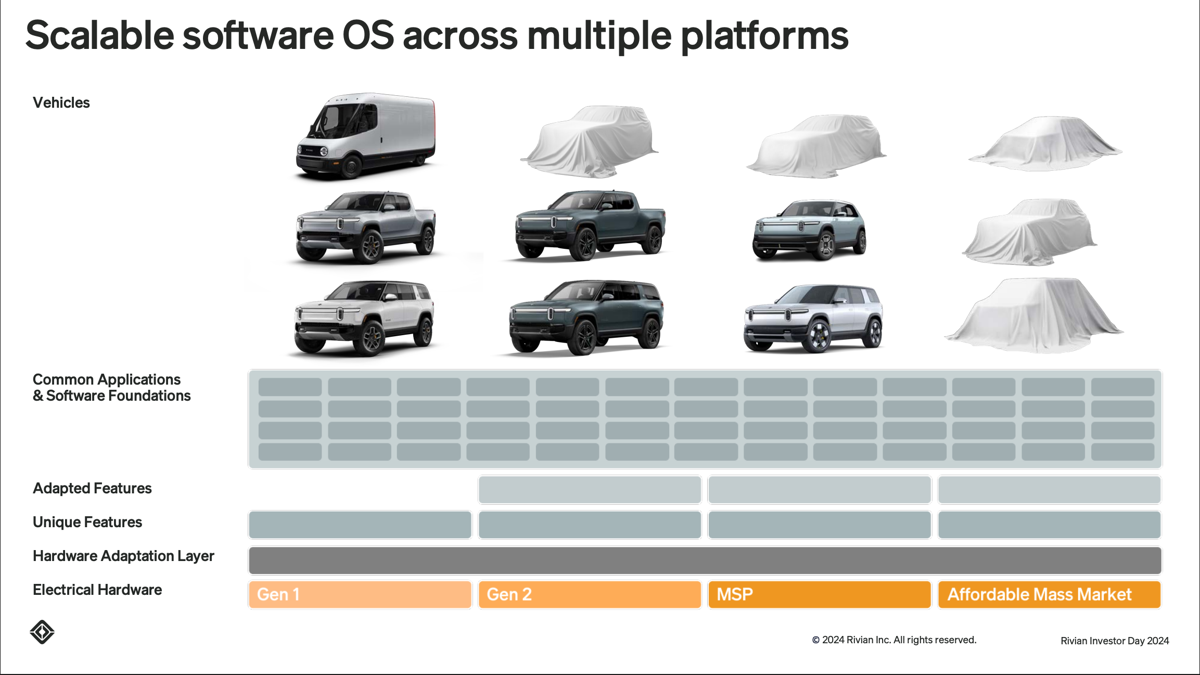
Moving on, Scaringe has gone on record saying that the Rivian lineup of the future may include an R4, R5, and even an R6, though what forms these EVs may take is unknown. A product roadmap (included below) shown in 2024 hid future products under canvas, but it’s probably safe to assume that smaller, more affordable vehicles (potentially joined by new fleet-ready vehicles beyond the Amazon delivery van) would make sense.
Autoblog’s Take
Rivian
Rivian broke into the market with the attractive and capable R1 twins, but as good as the truck and SUV are, they both cost over $80,000 when you factor in destination charges, and not everyone can afford that. Moreover, they’re relatively large vehicles, sitting between mid-size and full-size vehicles, and that’s not always practical. Therefore, before the R2, Rivian was catering to a very different customer, and while 2026 has seen improvement for the company, thanks in no small part to the arrival of the R2, more product variation – potentially including an R2 Performance and an R2T pickup – with differing price levels will help the automaker appeal to a larger demographic. The only question is, can Rivian sustain its current momentum long enough to launch these cheaper products and survive until the end of the decade? Let us know what you think in the comments below.