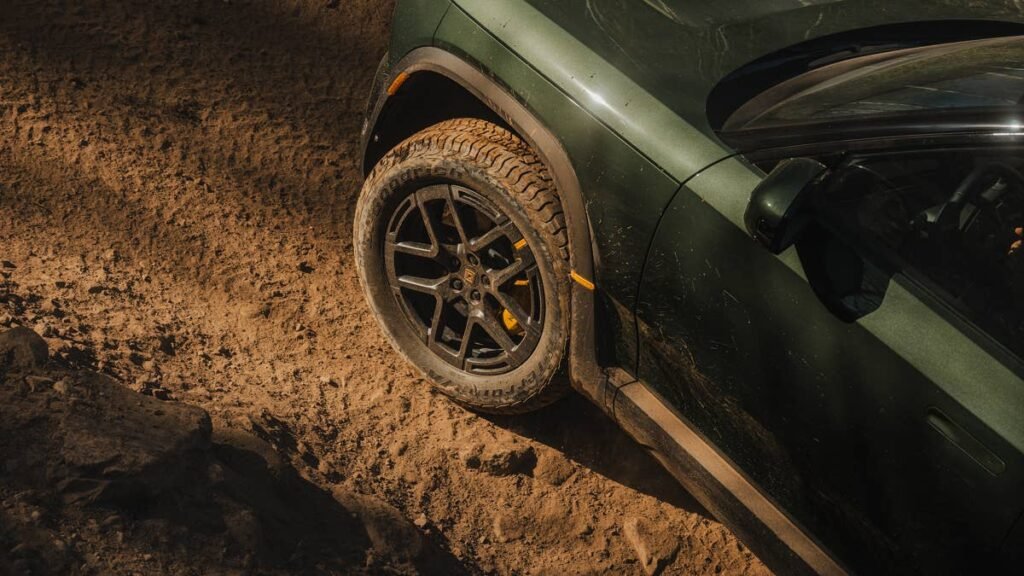
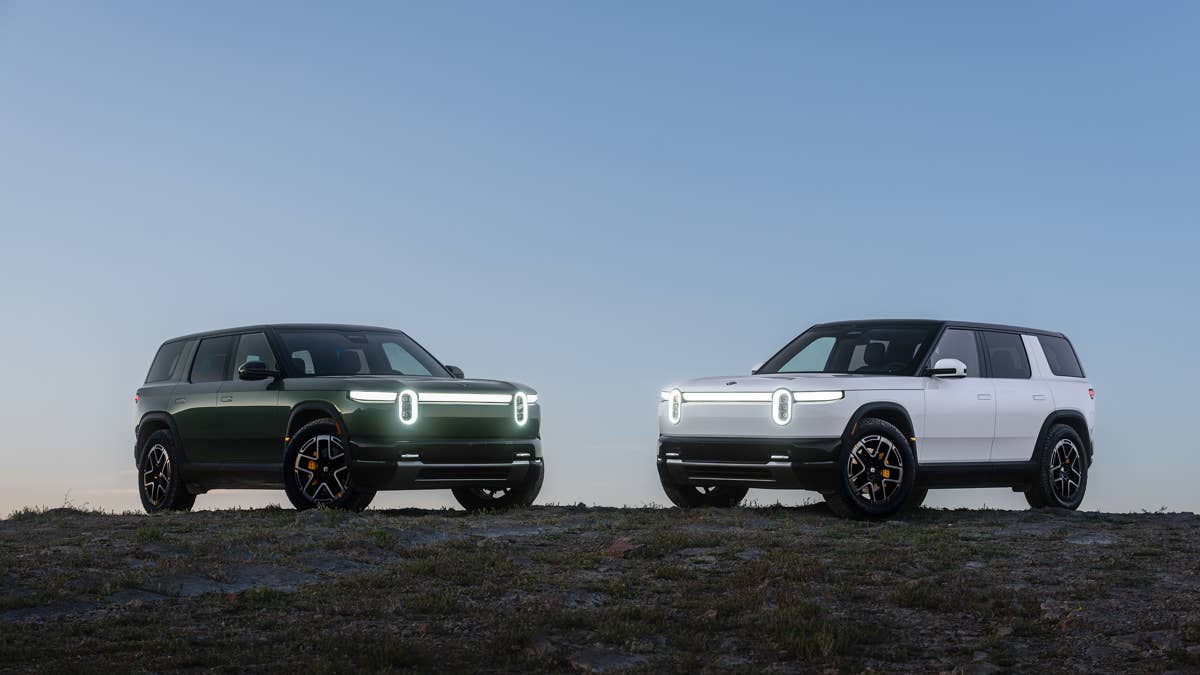
Rivian handed in a rather good report card this quarter. It delivered 19,248 vehicles between July and September, up from 13,201 a year earlier and comfortably above the 18,000 or so analysts had expected. The growth story increasingly comes down to the Rivian R2, its smaller and cheaper SUV. The model gives buyers a way into the brand without paying R1 money, and its early performance suggests Rivian may finally have a product capable of expanding beyond its expensive pickup and SUV lineup. However, Tesla still moves roughly 25 times Rivian’s volume, which helps explain why Tesla stock jumped 5 percent despite a dip in overall deliveries, while Rivian’s stock slipped 3 percent despite the better quarter performance.
Rivian
Tesla Dips, Yet Investors Cheer
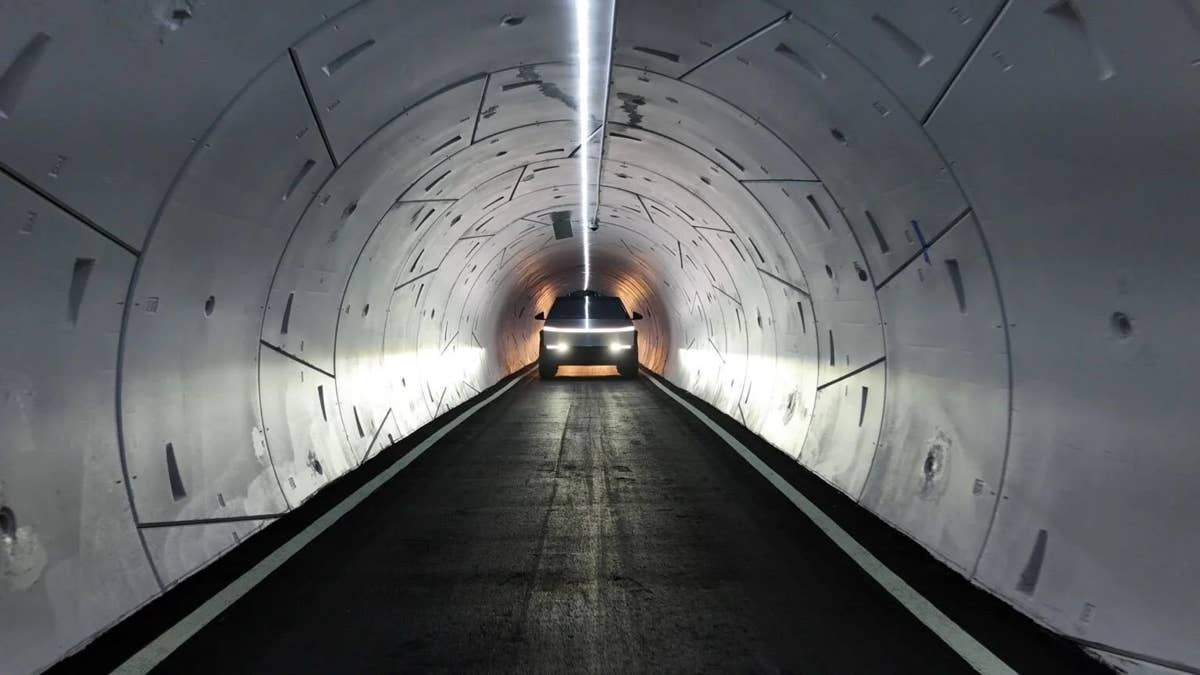
Tesla delivered 486,532 cars, down 2 percent from a year ago, but still ahead of analysts’ predictions of roughly 462,000, according to TradingView. Last year’s figure was also padded by buyers rushing to grab the federal EV tax credit before it expired, so the comparison isn’t really fair. Despite the dip, some analysts see it as a sign that the EV market is thawing, considering the dip was predicted to be closer to 7 percent. The difference between the prediction and reality is no doubt helped by the surge in gas prices driving buyers to hybrids and EVs. That could help explain Tesla stock’s 5 percent jump this time around. That said, both stocks remain down this year, Tesla by 18 percent and Rivian by 27 percent.
The Boring Company
Rivian’s Rise Rests On The R2
Rivian needs more than 23,000 deliveries in the fourth quarter to hit the bottom of its 65,000-to-70,000 annual target. That’s about 20 percent more vehicles than it delivered this quarter, meaning the R2 needs to keep its momentum going as Rivian enters the final stretch of the year.
Rivian
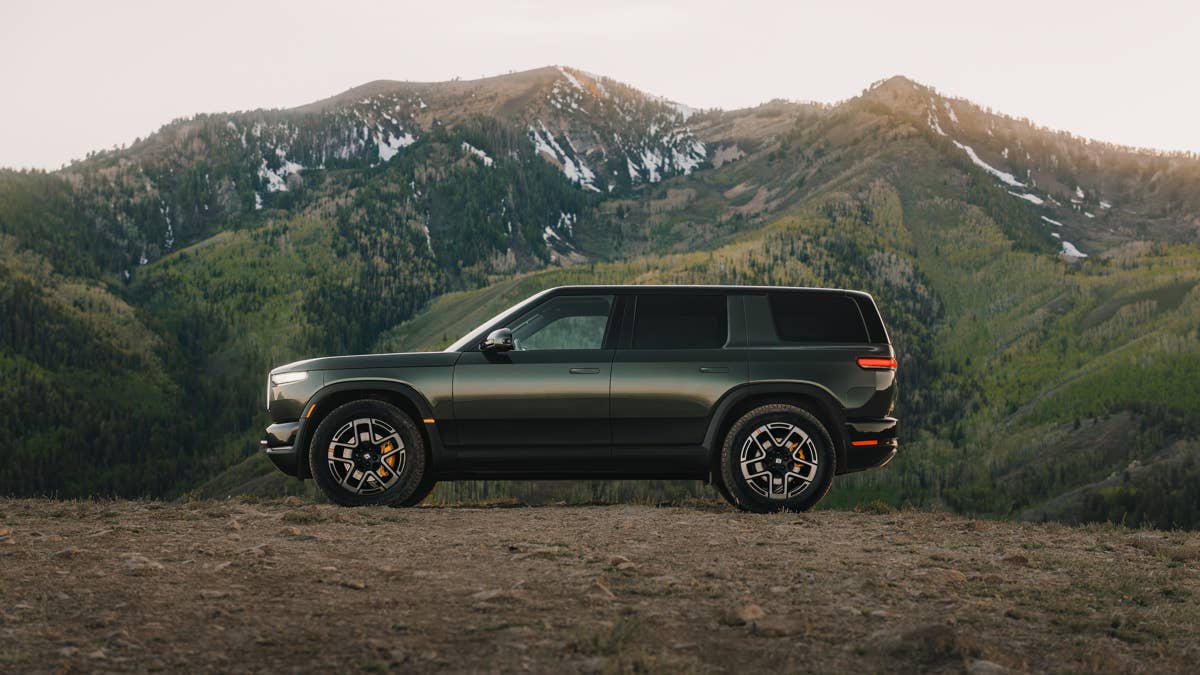
Tesla, meanwhile, has the Cybercab supposedly arriving by the end of the year and a Roadster that may or may not still be on schedule, alongside the Model 3 and Model Y. Rivian finally has a cheaper SUV that could turn it from a niche EV maker into a volume automaker, while Tesla is selling fewer cars even as its valuation increasingly depends on what comes after cars.