Modern electric trucks deliver acceleration capabilities that rival traditional exotic sports cars. When combined with heavy curb weights, handing those levels of output to novice drivers introduces significant safety risks on public roads. Industry data consistently highlights that younger drivers represent a higher statistical risk behind the wheel, making high-powered vehicles a growing concern for parents.
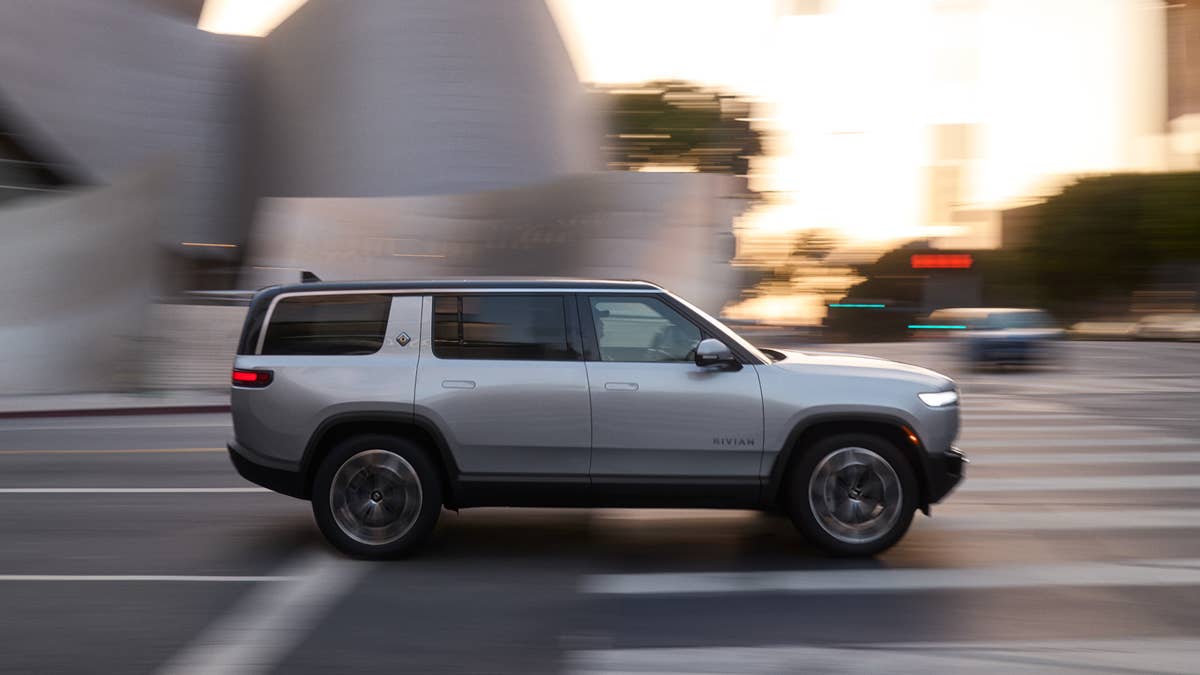
As younger buyers shift toward digital purchasing channels while skipping dealerships, automakers are finding new ways to manage vehicle access through connected technology. In response to customer concerns, Rivian is preparing digital restrictions to mitigate the hazards of high-output powertrains for young family members.
Cars & Bids
Locking Down the Powertrain
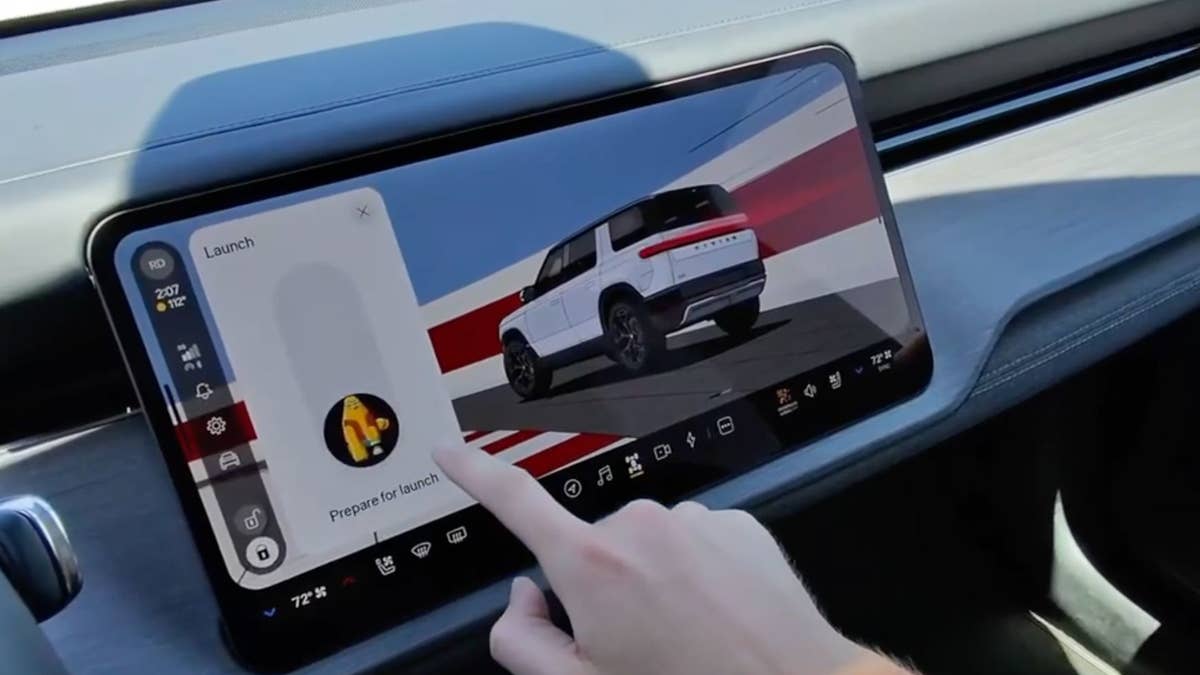
In an interview with The Drive, Rivian Chief Software Officer Wassym Bensaid revealed that the automaker is developing dedicated Teen and Valet modes scheduled for rollout in early 2027. Bensaid explained that community feedback prompted the feature, as parents expressed concern over young drivers operating heavy EVs capable of reaching 60 mph in under three seconds. The system uses Rivian’s digital key management framework to automatically enforce user restrictions.
To ensure teenagers cannot circumvent the safety limits by adjusting their birth year in the app, the software gives vehicle owners administrative authority. Parents can assign specific physical key cards, key fobs, or phone profiles directly to a designated teen profile. Once assigned, the profile cannot be bypassed without an owner-selected password, keeping performance settings locked.
The system interface will work similarly to Rivian’s RAD Tuner screen, giving parents customizable toggles instead of simple power sliders. Owners will be able to restrict overall output, prevent drivers from disabling stability control, and lock out specific off-road drive modes. While parents previously relied on third-party speed limiters, Rivian is integrating these safeguards directly into the vehicle architecture.
Rivian
A Necessary EV Standard
Rivian’s decision to build native performance caps directly into its user interface reflects a necessary shift in modern vehicle management. In an era where family-oriented electric SUVs can easily produce over 1,000 horsepower, expecting inexperienced drivers to self-regulate output is unrealistic. Software-based restrictions let parents keep the vehicle useful at home without sacrificing safety.
For parents hesitant to entrust a heavy, high-torque vehicle to a beginner, traditional options compiled among the safest vehicles remain a sensible benchmark. However, as multi-driver EV households become more common, native digital profiling provides a realistic middle ground for balancing utility, technology, and driver safety.
Rivian