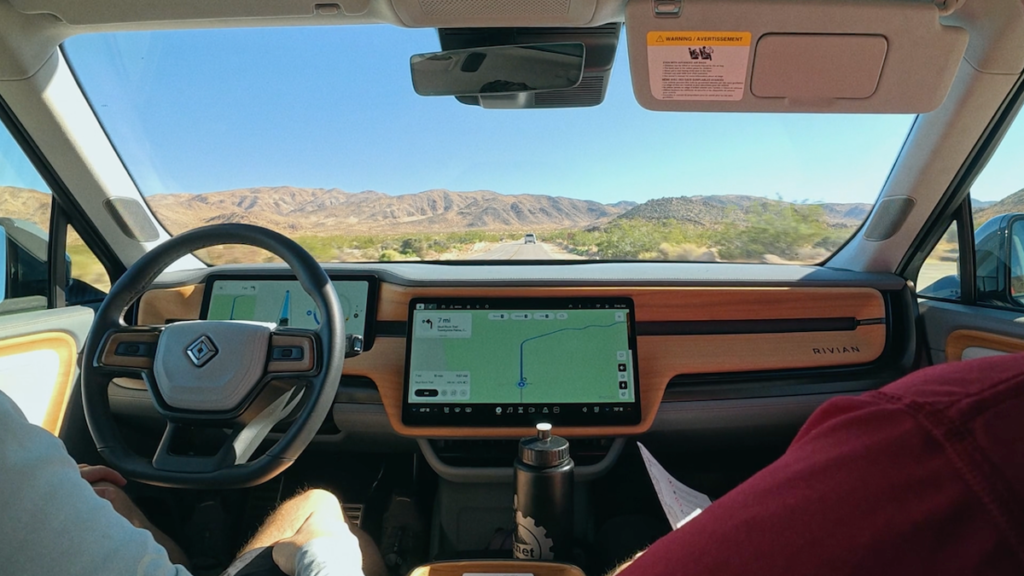
Rivian is not content to produce highly capable all-electric vehicles; it wants to make them autonomous too, and it’s now taken a meaningful step towards achieving the goal, beginning beta testing of its Point to Point supervised self-driving feature, with a limited number of invited Rivian Gen 2 R1 or R2 owners who opted in to the company’s Autonomy Early Access Program, opened earlier this month, getting to try out autonomous turns, highway merges, and driving on surface streets along a planned route. It’s not the full deal yet, and it’s clearly geographically limited, but in developing self-driving technologies, a measured approach that minimizes risk is certainly the right way to go about it.
Rivian’s Early Access Self-Driving Beta Program Opens
Rivian
This news, first noted by Autoguide, means Rivian has already been testing self-driving on various routes, but it wants owners to try the feature so they can point out any flaws or subtle irritations its development team might not have picked up on. Anybody with the refreshed R1T or R1S, or the new R2, can apply to the program so long as they have an active paid $2,500 Autonomy+ subscription, but Canadian owners and those with Gen 1 R1s are left out, at least for now. The program is also only kicking off in California and Florida to begin with, but other states will follow. Rivian’s head of autonomy and AI, James Philbin, says the automaker is aiming to launch publicly before the end of 2026, with a wider rollout in 2027. Meanwhile, Rivian CEO RJ Scaringe recently said true self-driving cars will be here before 2030 (though he previously said it would happen by 2026).
Related: Volkswagen Reportedly Pulls The Plug On €1.5 Billion Self-Driving Project
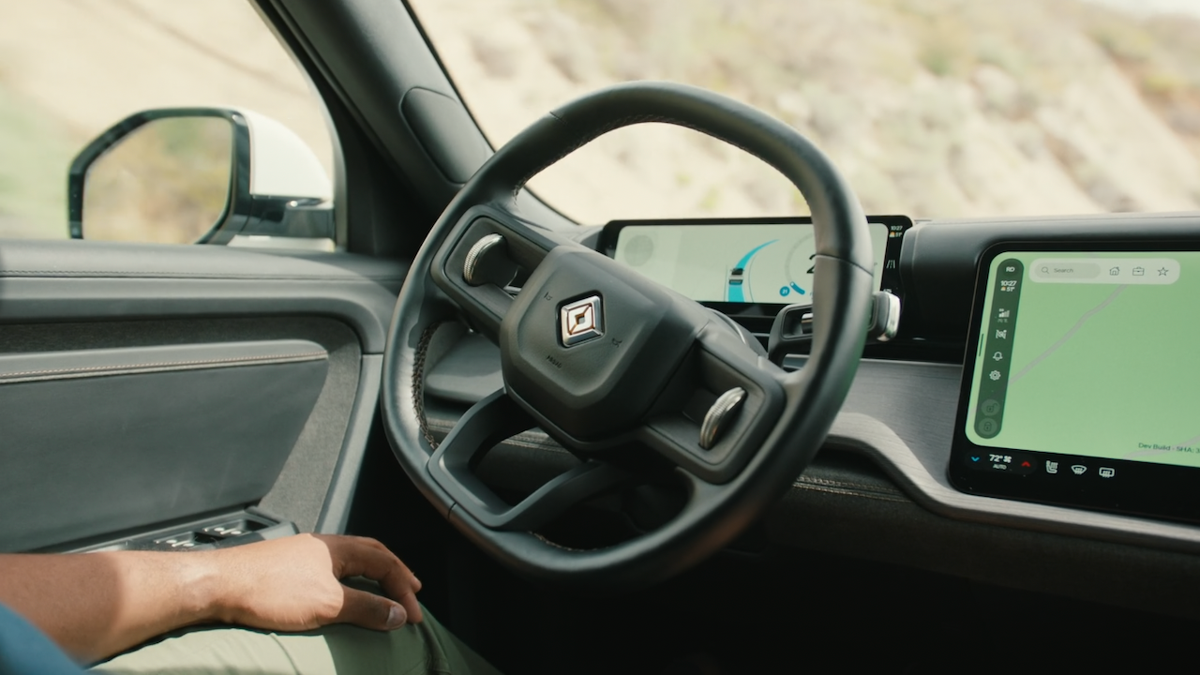
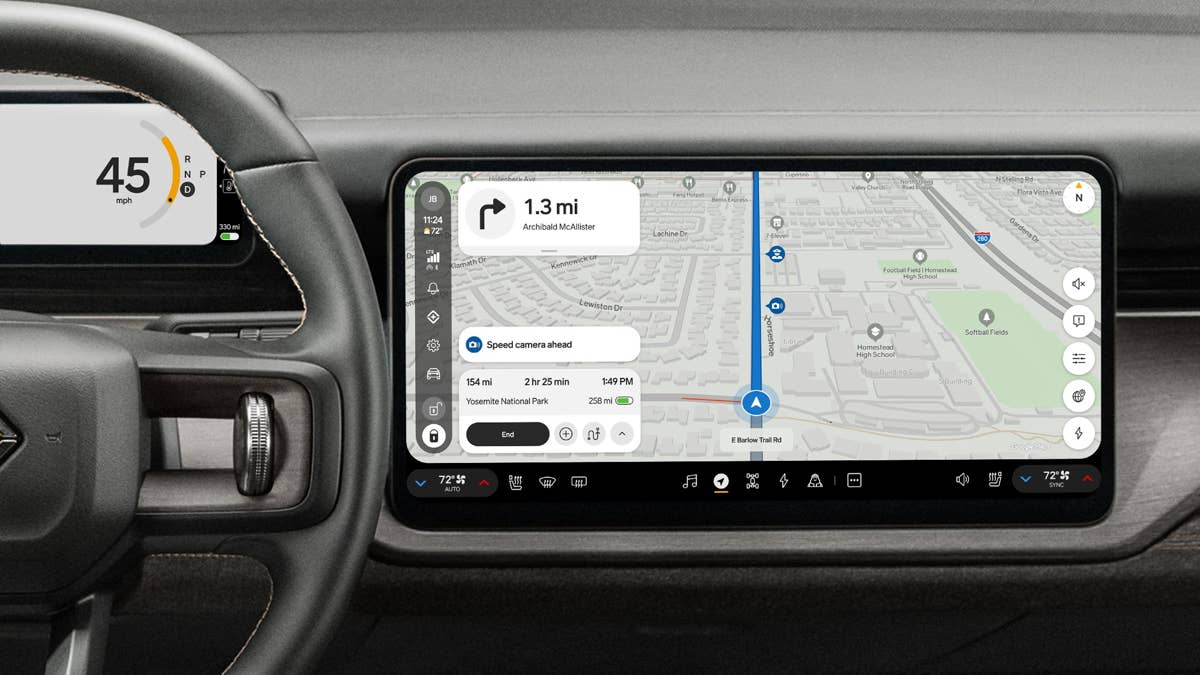
For the uninitiated, Point to Point takes Rivian’s Universal Hands-Free tech and wires it directly into the turn-by-turn navigation system, so instead of just keeping a vehicle in a lane without the driver’s hands on the wheel, it can follow an entire route as long as the driver keeps their eyes on the road. That means it’s a Level 2 system; while the Large Driving Model is a highly advanced, in-house-developed Rivian software system that interprets what the 360-degree sensor suite sees through its cameras, radars, and solid-state LiDAR, deciding how the EV should react, the driver still needs to be ready to take over and should always be prepared for the vehicle to make a mistake.
How Access to Rivian’s Self-Driving Beta Works
Rivian
If you want a chance of being invited to try Point to Point out, the primary Rivian account holder can apply through the Autonomy Early Access tile on their Rivian.com account (secondary users won’t see it and therefore won’t be able to test the tech if they drive the vehicle under their profile). Rivian then evaluates how often the owner already uses Autonomy features and their recent safety record, which will include how often alerts like forward-collision warnings were triggered. If you are approved, you will be expected to meet certain weekly obligations, like using the preview features and issuing reports (logged on the touchscreen). Rivian will also want you to complete a monthly survey, and you must agree to share location and camera data under a non-disclosure agreement.
Rivian will reassess who stays in the program every 30 days, and if you’re dropped, it could happen without warning. Even if all this sounds good to you, you may not be approved or may be dropped after a short while if Rivian needs more variety in the models and regions testing Point to Point. As noted earlier, California and Florida will lead the testing, but depending on where the most interest is expressed, other states will follow, and owners need not reapply if they miss out on this first group.