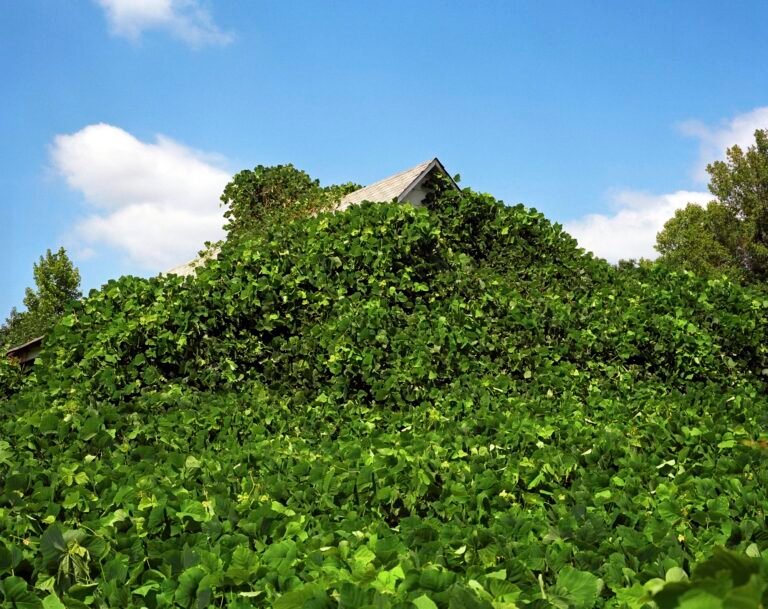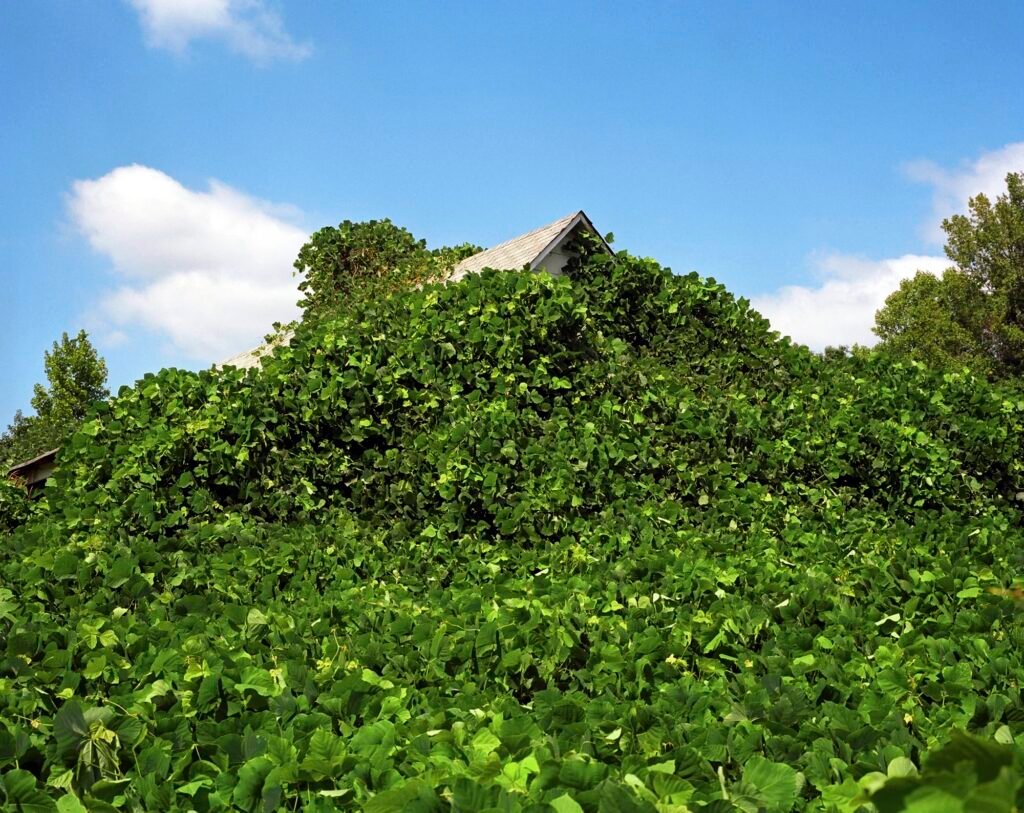

For more than three decades, Rob Hann has pursued the inimitable and notable, turning his lens toward public figures like Tom Hanks, David Byrne, Chloe Sevigny, Ray Lotta, Willem Dafoe, and many others. He also ranges across the breadth and length of the U.S., traversing storied highways like U.S. 89 in Arizona, a popular route to the Grand Canyon, or U.S. 90 in Texas, which passes through the artistic enclave of Marfa. Not unlike the way he captures portraits of people, his characterizations of the country’s endearingly quirky and remote places highlight individuality, presence, and the passage of time.
Hann’s subjects range from handmade road signs and vintage buildings to peculiar local attractions like trees completely covered in shoes. He sometimes captures site-specific artworks such as Nancy Holt’s “Sun Tunnels” (1973-76) in Utah’s Great Basin Desert or Magda Sayeg’s crocheted retro camper trailer at El Cosmico in Marfa. There’s often a tinge of tongue-in-cheek humor, too, such as a sign reading “ICY” amid an arid desert landscape in southeastern California or a half-buried car.

“Although my photos are usually very simple, I often like it when the viewer is not quite sure what it is that they’re seeing, when they have questions,” Hann tells Colossal. “I’m often attracted to things that are amusing, unintentionally funny, or things that are puzzling.”
For the vast majority of his career, Hann has shot with an analog Mamiya 7, only recently adding a digital camera to his routine: a Hasselblad X2D. One of the major differences is that the Mamiya takes a roll of film with only 10 frames, so there’s a more disciplined approach to avoid wasting rolls. With digital cameras, the number of images is only limited by the space on an SD card. “I try to make good decisions as I shoot and avoid wading through huge amounts of images on my computer when I get home,” Hann says. “With both cameras, I only use one fixed lens, and when shooting film, I just use one film stock.”
Color images have also emerged as an important tenet of Hann’s practice despite an earlier preference for black-and-white photography. “I was required to also shoot colour when working for magazines and record companies,” he says. “I could do it but struggled to make the colour photos special or make them feel like my own. It took me many years to get my head around making consistently good colour images.” Today, the emotive potential of color, explored through different levels of saturation and warmth, plays a significant role.
Hann is currently working with The Artist Edition toward the publication of a new book titled Wonder Valley, which is slated for release sometime later this year. Follow updates on Instagram.


Do stories and artists like this matter to you? Become a Colossal Member today and support independent arts publishing for as little as $7 per month. The article Rob Hann’s Chromatic and Quirky Landscapes Evoke Long-Distance Road Trips appeared first on Colossal.