Exclusivity Pays
Several automakers have seen sales decline amid growing competition from Chinese brands expanding globally with more affordable vehicles. As such, some brands like Range Rover have shifted their focus from chasing sales volumes to offering more bespoke vehicles, which typically have higher margins.
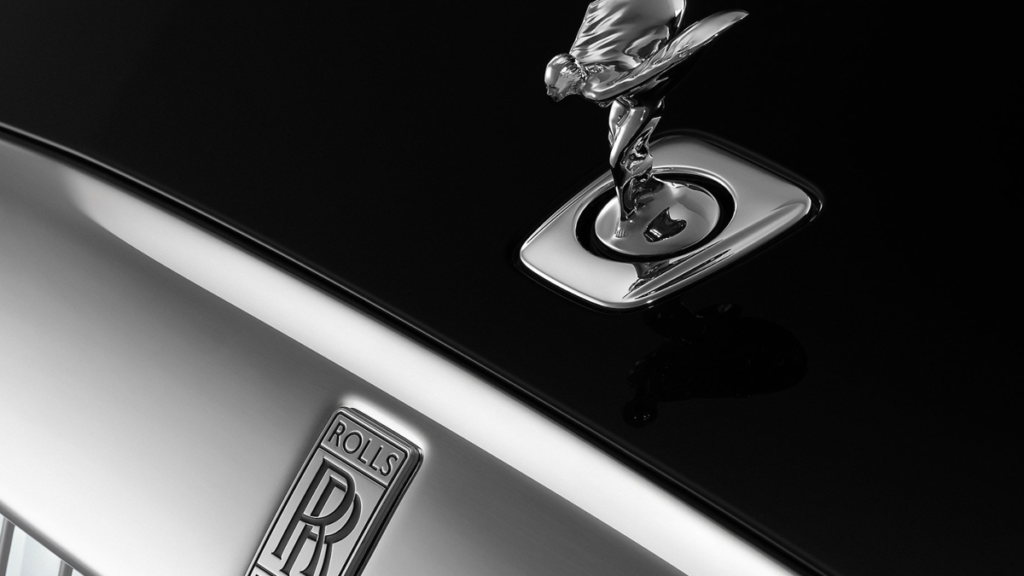
Rolls-Royce is already a household name in this space, and its latest multi-year creative exchange with Chinese master artisans could help improve customization options for its ultra-luxury vehicles. This program explores traditional craftsmanship and could introduce new materials and techniques, which may prove crucial, given that China is the brand’s second-largest market behind the U.S. It would also strengthen the brand’s relationship with Chinese buyers, particularly those interested in incorporating local cultural heritage into their cars.
Rolls-Royce
Crafting the Next Chapter
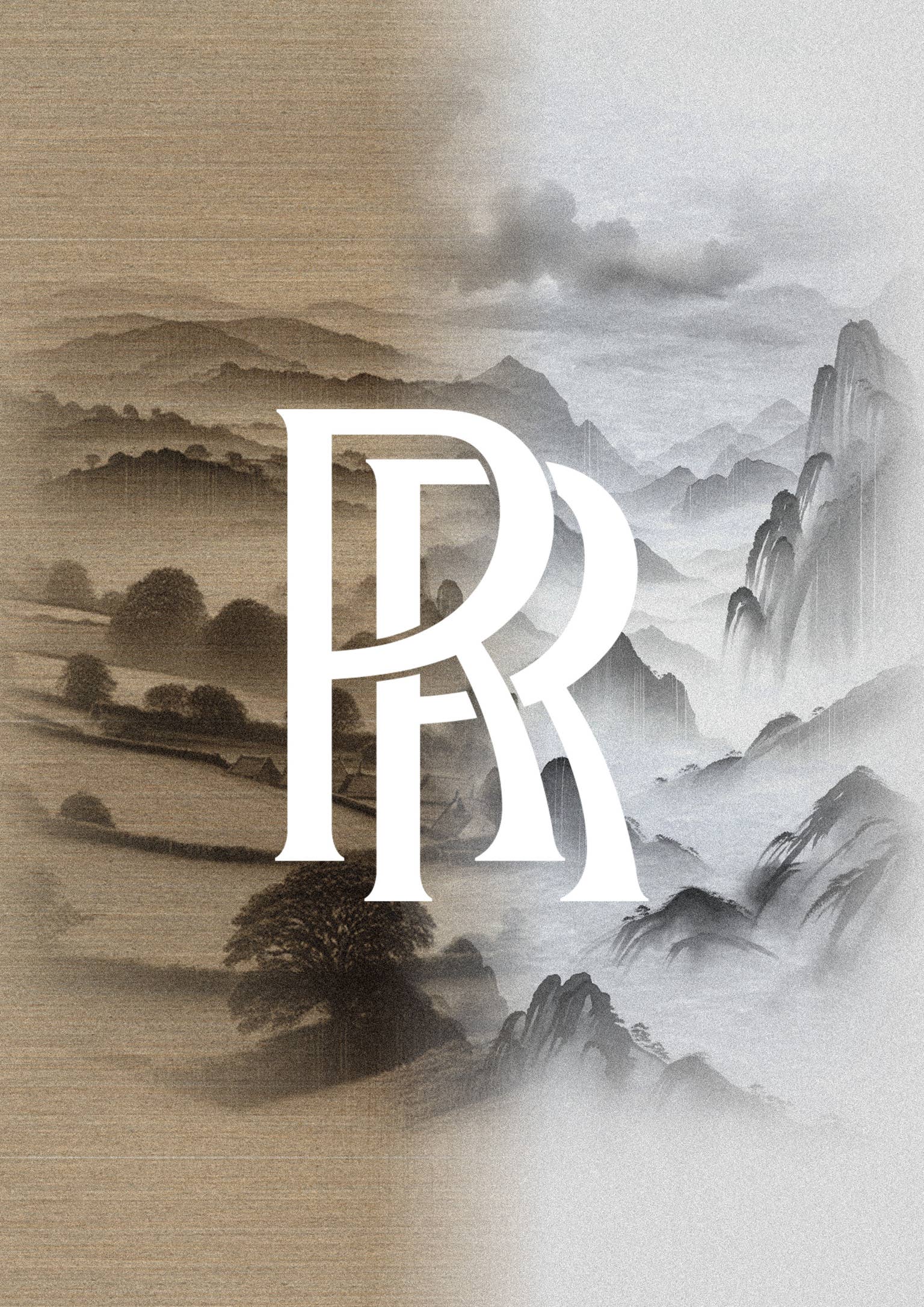
However, Rolls-Royce hasn’t announced a specific production vehicle incorporating learnings from this creative exchange. What the press release disclosed is that the British luxury marque is working with the Li Keran Art Foundation, a Chinese organization dedicated to preserving traditional art and craftsmanship. Moreover, the first project focuses on Chengxintang paper, a traditional Chinese handmade paper historically produced for the imperial court.
Only one original sheet of Chengxintang paper is believed to survive. Rolls-Royce is studying a modern reconstruction developed through 20 years of research.
The reconstructed Chengxintang paper will be featured at an exhibition in Beijing running from November 19, 2026, through January 10, 2027. The exhibition could offer an early glimpse of the Chinese craftsmanship and materials that may eventually make their way into the automaker’s customization catalogue. The partnership could also showcase Chinese cultural traditions to a wider global audience, thanks to the brand’s reputation and influence in the luxury car market.
Rolls-Royce
The Chinese Connection
Chris Brownridge, Rolls-Royce Motor Cars Chief Executive, said, “Every exchange of this kind brings new insights for all involved. What our craftspeople have already learned in Anhui Province will inform them throughout the years to come, and in time, it will be seen in what we make.”
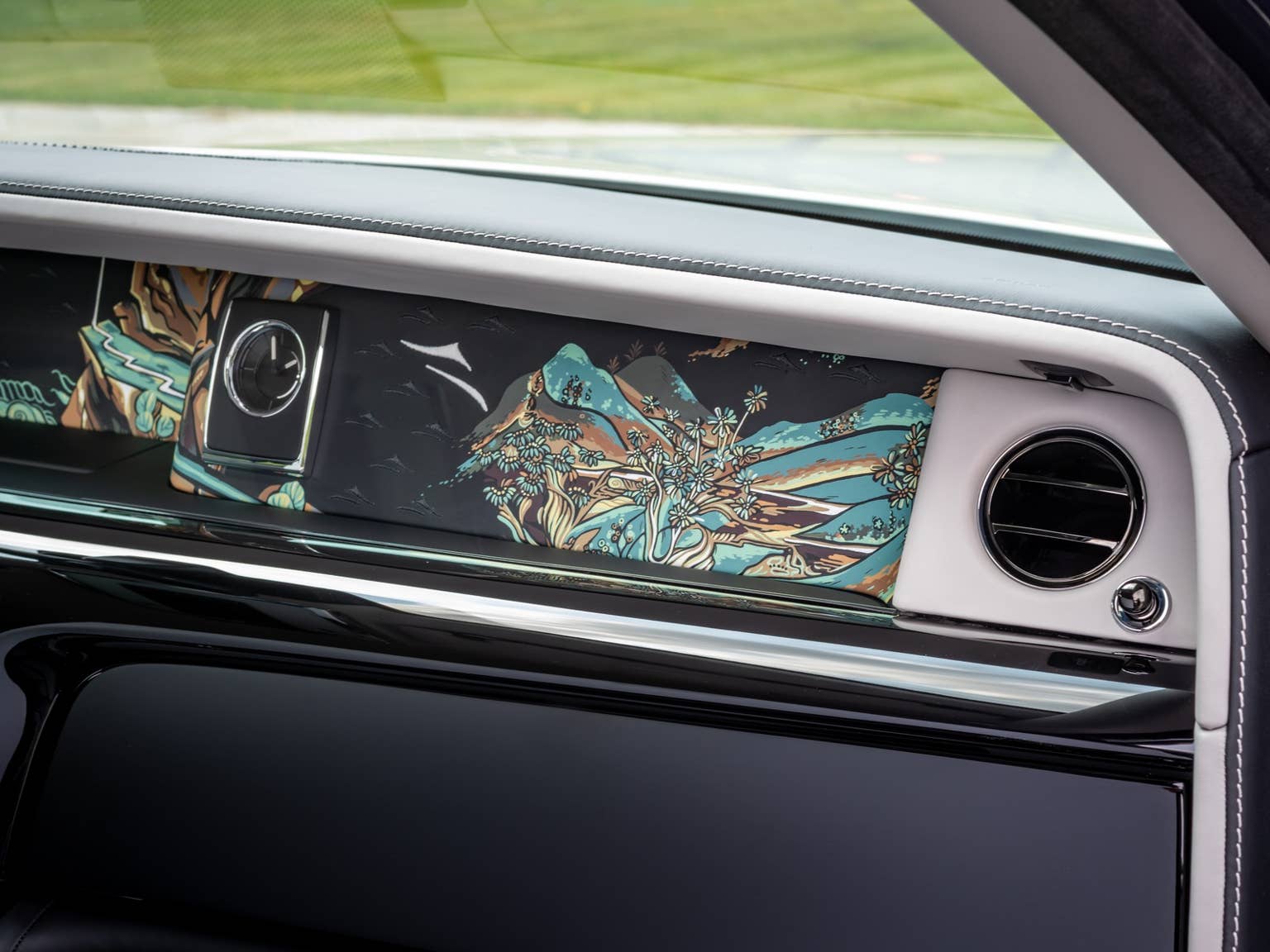
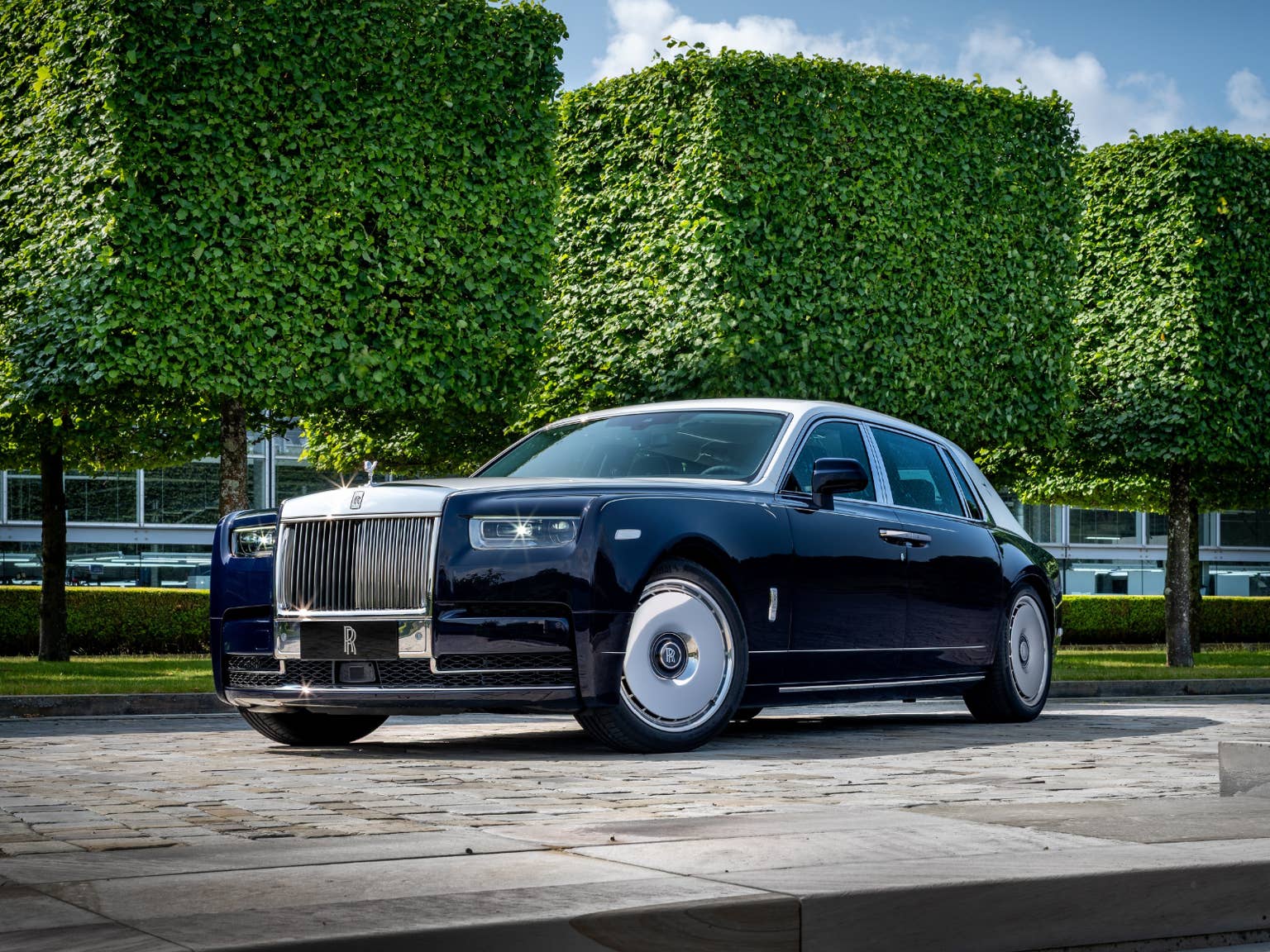
While the “what we make” part is still unknown, Rolls-Royce’s relationship with China dates back to the 1920s, when its first car arrived in Shanghai. Last year, the automaker introduced three Bespoke commissions inspired by ancient Chinese mural paintings in Dunhuang. The latest effort complements the more than £300 million (roughly $392 million at current exchange rates) expansion of its Goodwood plant, designed to increase capacity for Bespoke and Coachbuild projects.
Rolls-Royce Phantom Extended Chinese Mural Art
Rolls-Royce