- Russia sold 145 locally built BMWs in 2025 despite the brand’s 2022 exit.
- The X5, X6, and X7 use parts left behind after production stopped.
- Sellers present the dead BMW software as a feature rather than a flaw.
When Russia attacked Ukraine in 2022, the automotive industry in the region changed almost overnight. BMW was one of the many brands that ended production and sales there. That left the workers at the Avtotor Kaliningrad facility, where BMWs were made, with a bunch of parts and not much to do with them. It turns out, some of them decided to build cars with those leftover parts anyway. Last year, they sold 145 of them, and that’s not even the weirdest part of this “bootleg BMW” situation.
Those sales figures come from data dug up by the Russian newspaper Kommersant, which reports that BMW sales in Russia nearly tripled year-on-year in 2025. In other words, demand and sales are growing despite no new parts on the way. The cars rolling off of the line are a true hodgepodge.
According to a report from RFE/RL, the unauthorized vehicles first surfaced in March 2025, assembled from components left behind after BMW ended its decades-long partnership with Avtotor in the wake of the invasion.
A Hodgepodge Of Old Parts
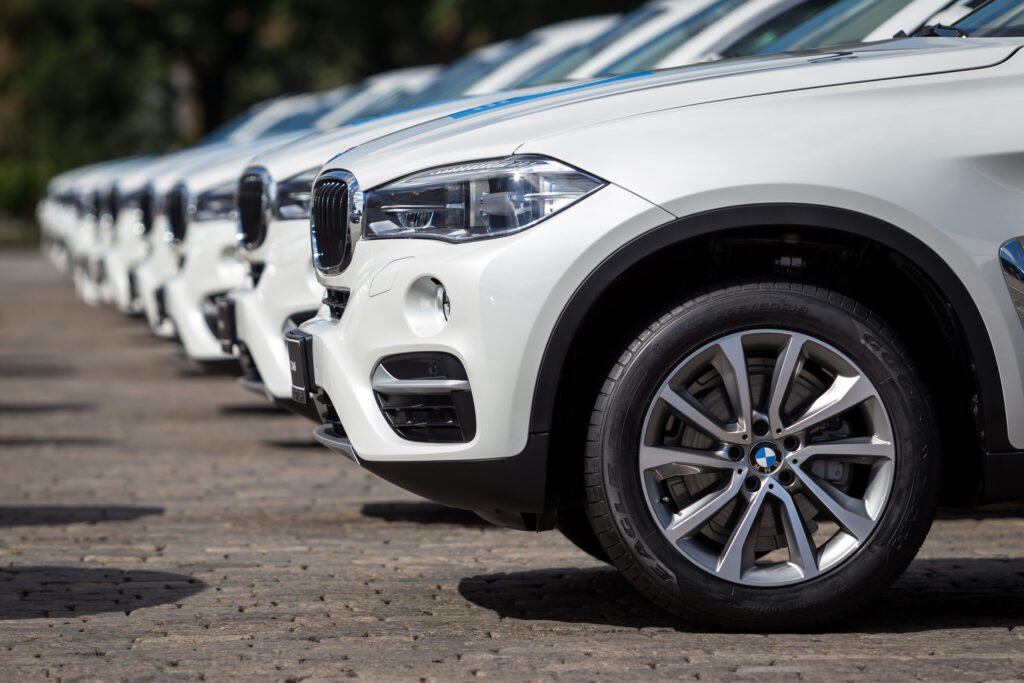
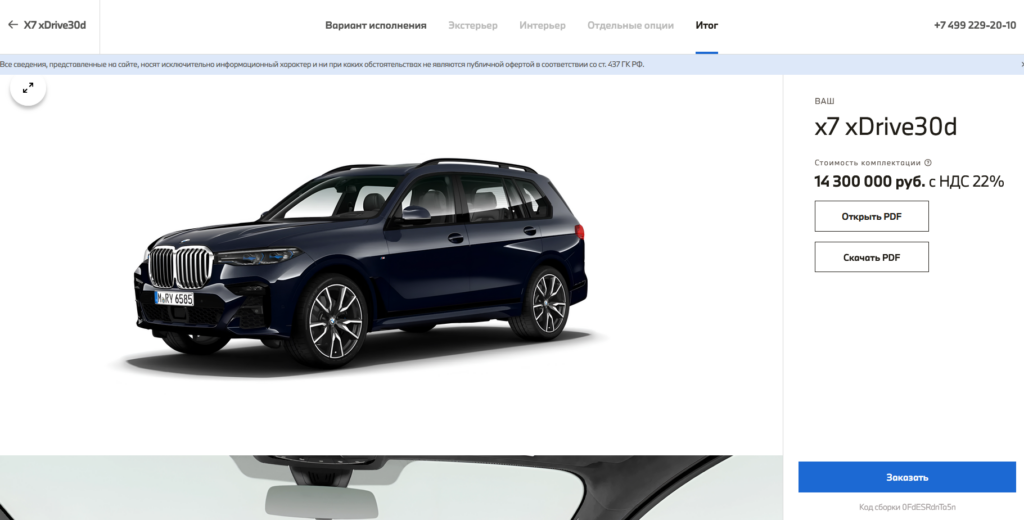
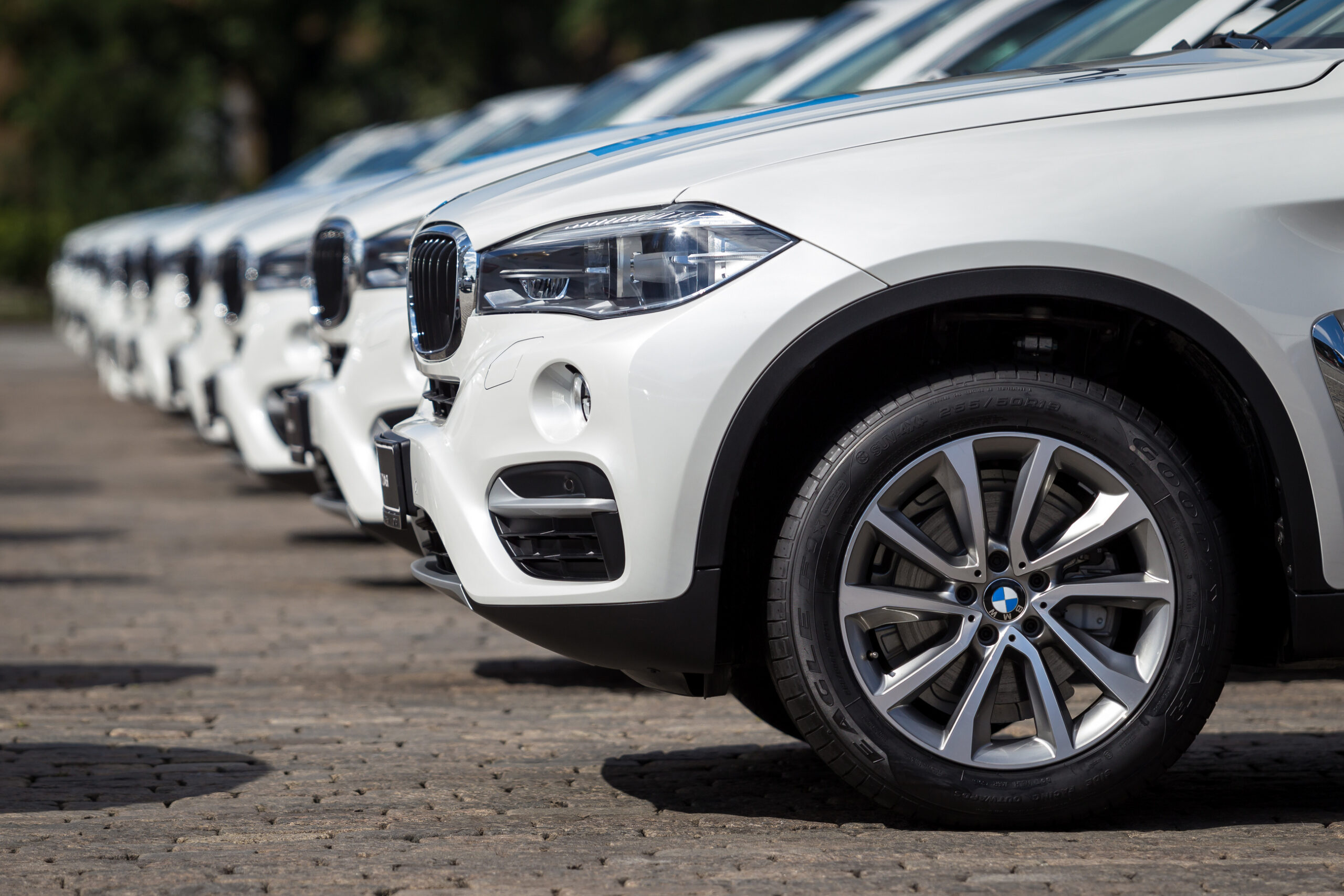
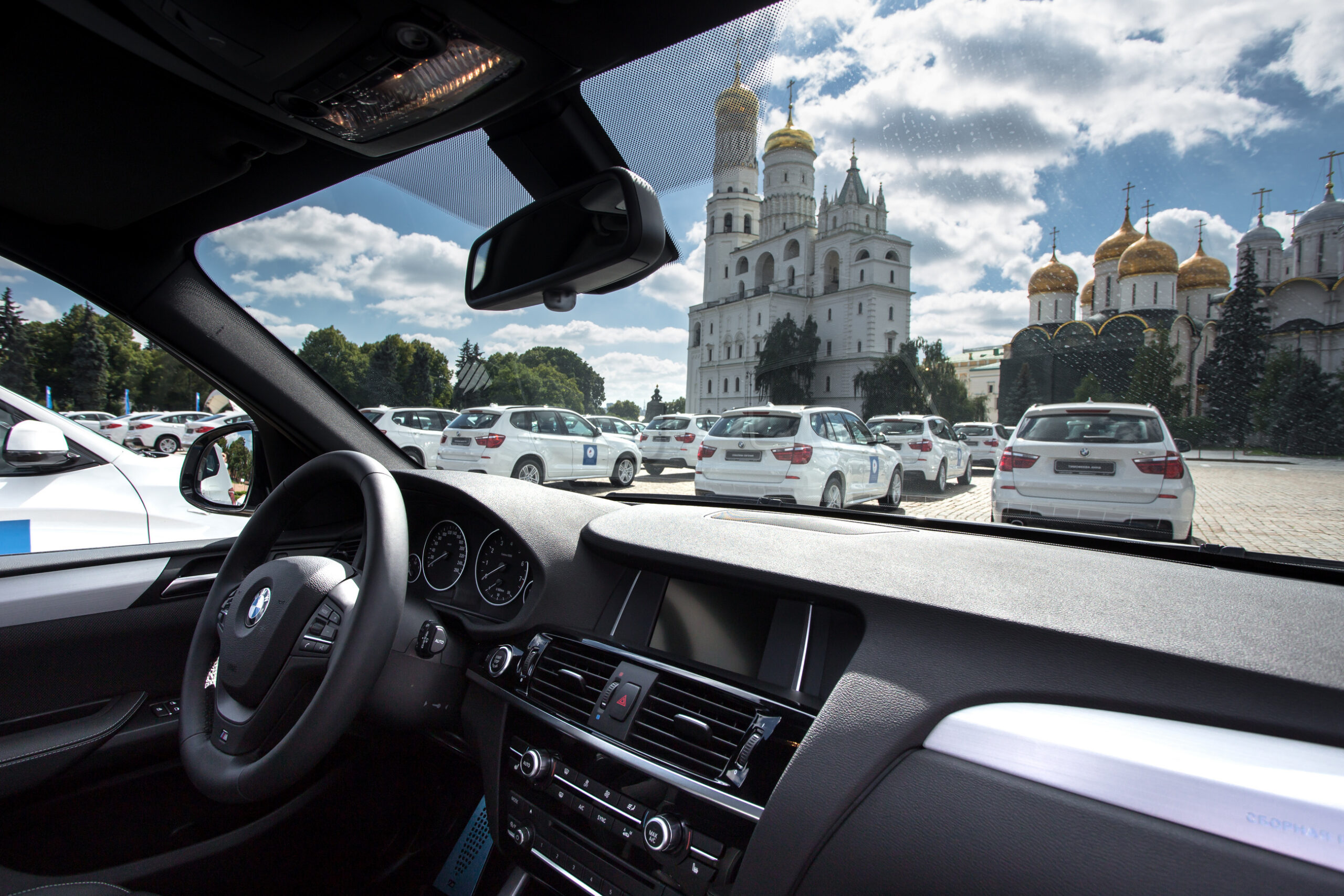
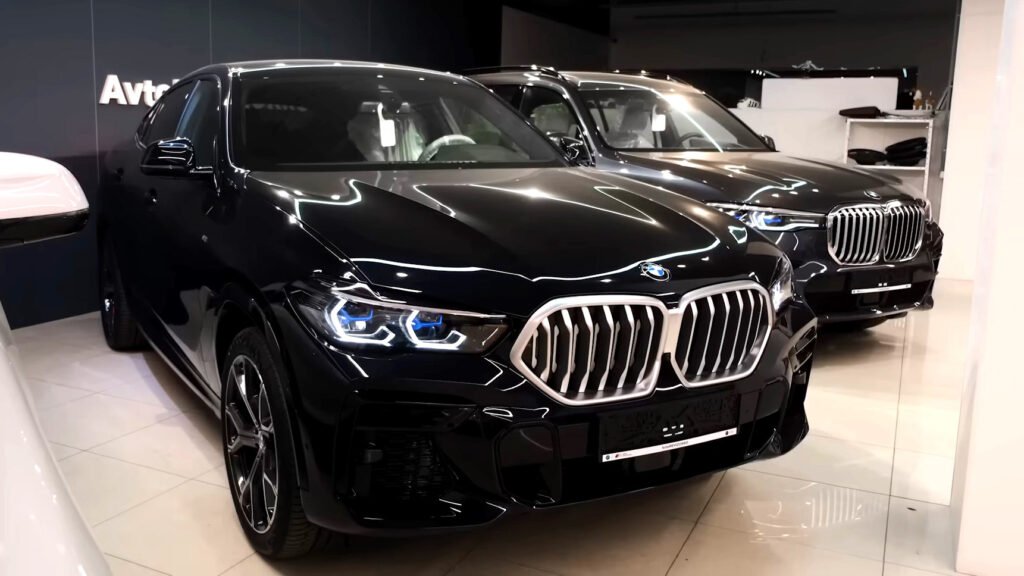
The SUVs being assembled include the X5, X6, and X7. Interestingly, they retain the styling of pre-facelift 2022 models even though they are being registered as 2025 and 2026 vehicles. Reports from Russia suggest some locally sourced parts, including wiring harnesses, hoses, rubber components, and painted body panels, are now being incorporated into the assembly process as original inventories dwindle.
Read: BMW Staff Smuggled Over 100 Cars To Russia, Despite Sanctions
BMW has openly distanced itself from the entire situation. The company says Avtotor “began producing limited batches of BMW cars in 2025, assembling vehicles from old, partially outdated kits that had remained at its disposal since the termination of cooperation in 2022,” adding that the unauthorized production has continued “on an irregular basis to date.”
No Oversight, No Guarantees
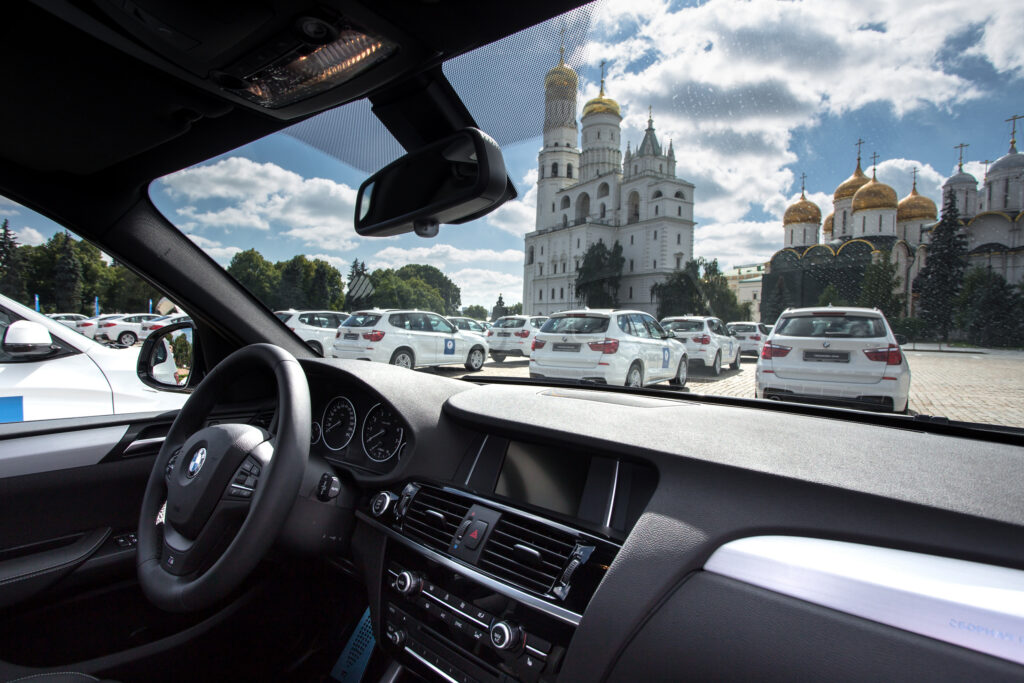
Carolin Bachmann, a spokesperson for the BMW Group, told RFE/RL that “to address and mitigate the risks associated with the purchase and use of these unauthorized vehicles, we have briefed all parties involved, including public authorities, retailers and potential customers, and clarified the circumstances.” That’s understandable considering that BMW itself has no clue about the quality or safety of the cars in question.
Christopher Ludwig, an automotive industry analyst and head of Automotive Logistics, said the absence of BMW engineering oversight raises obvious quality concerns. He also pointed out that modern BMW software and electronic control systems would either be frozen, reprogrammed, or swapped out entirely, since they’re no longer tied to BMW’s official systems.
Buyers Are Lining Up Anyway
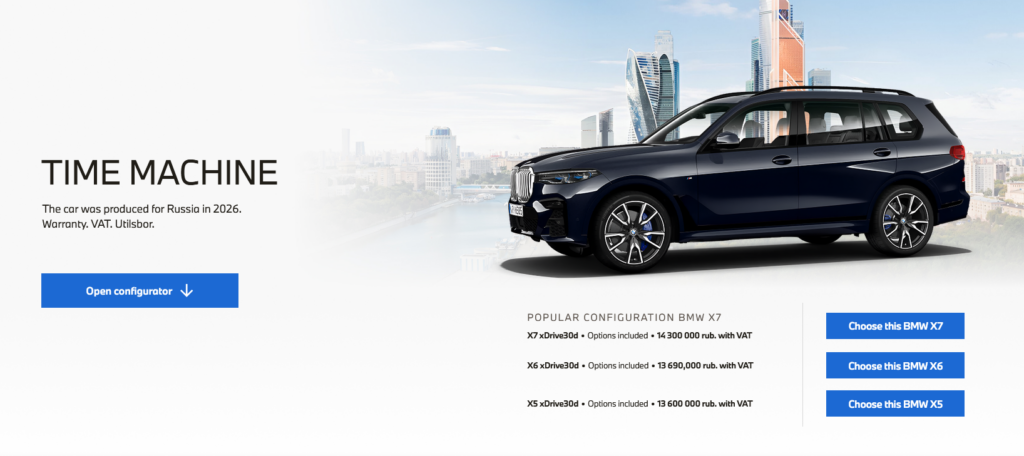
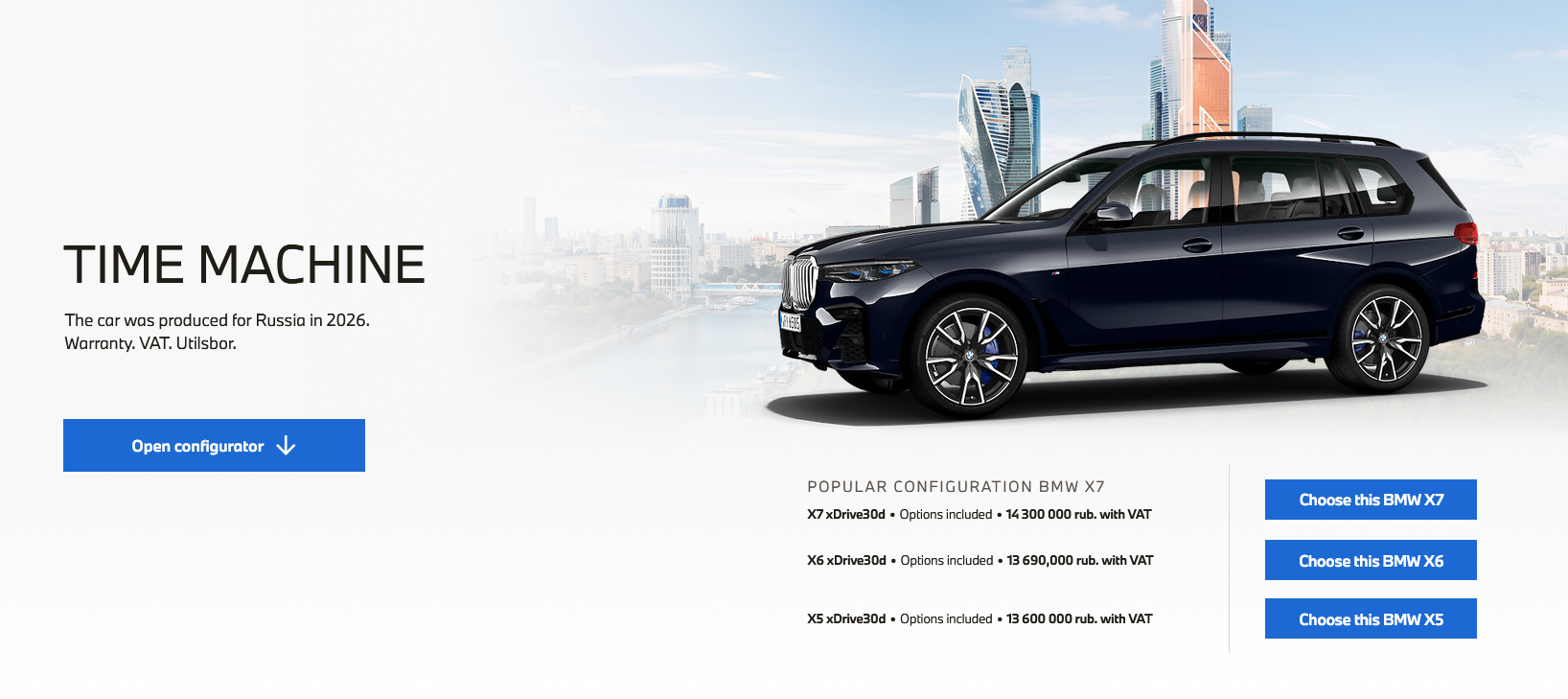
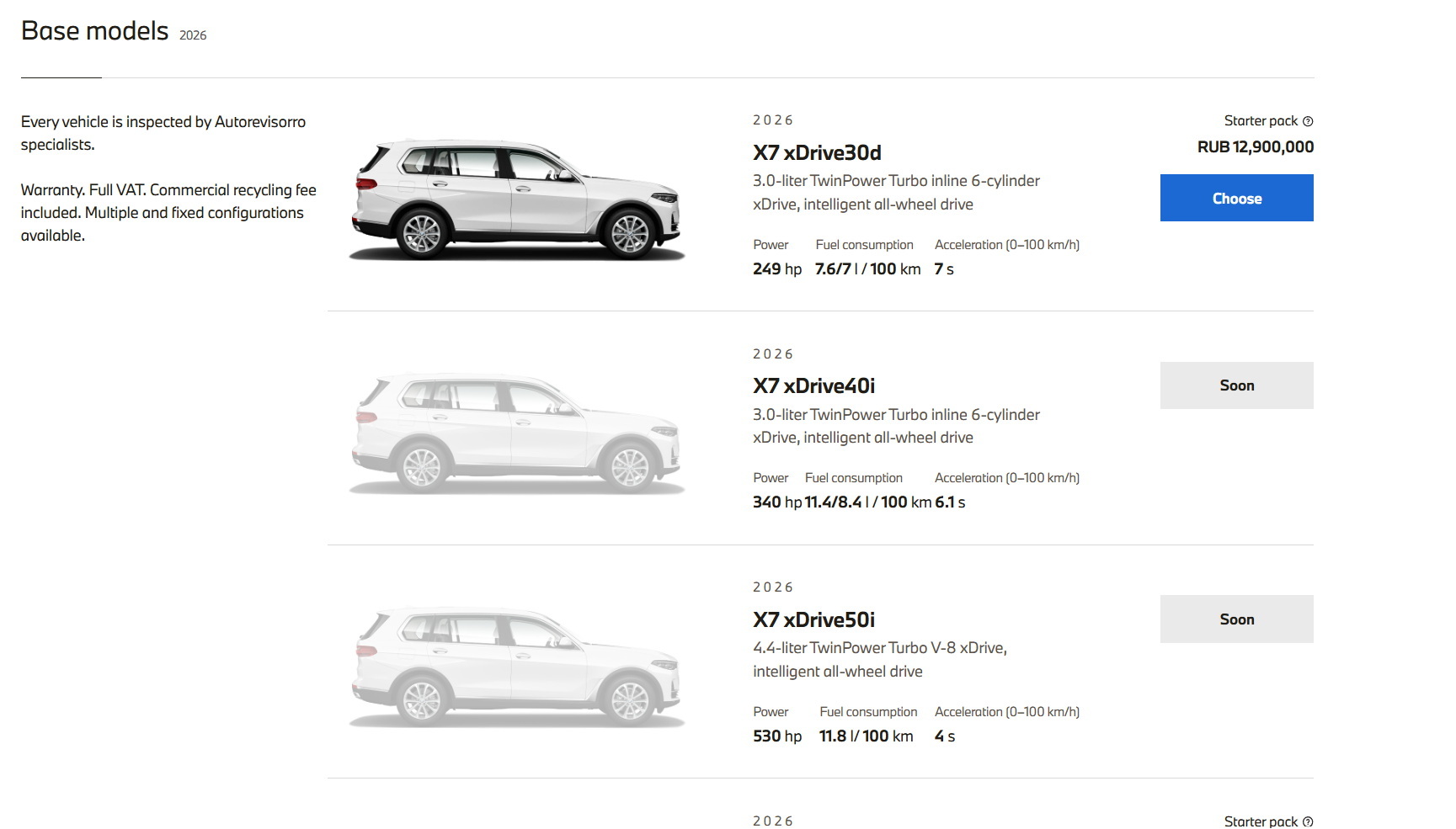
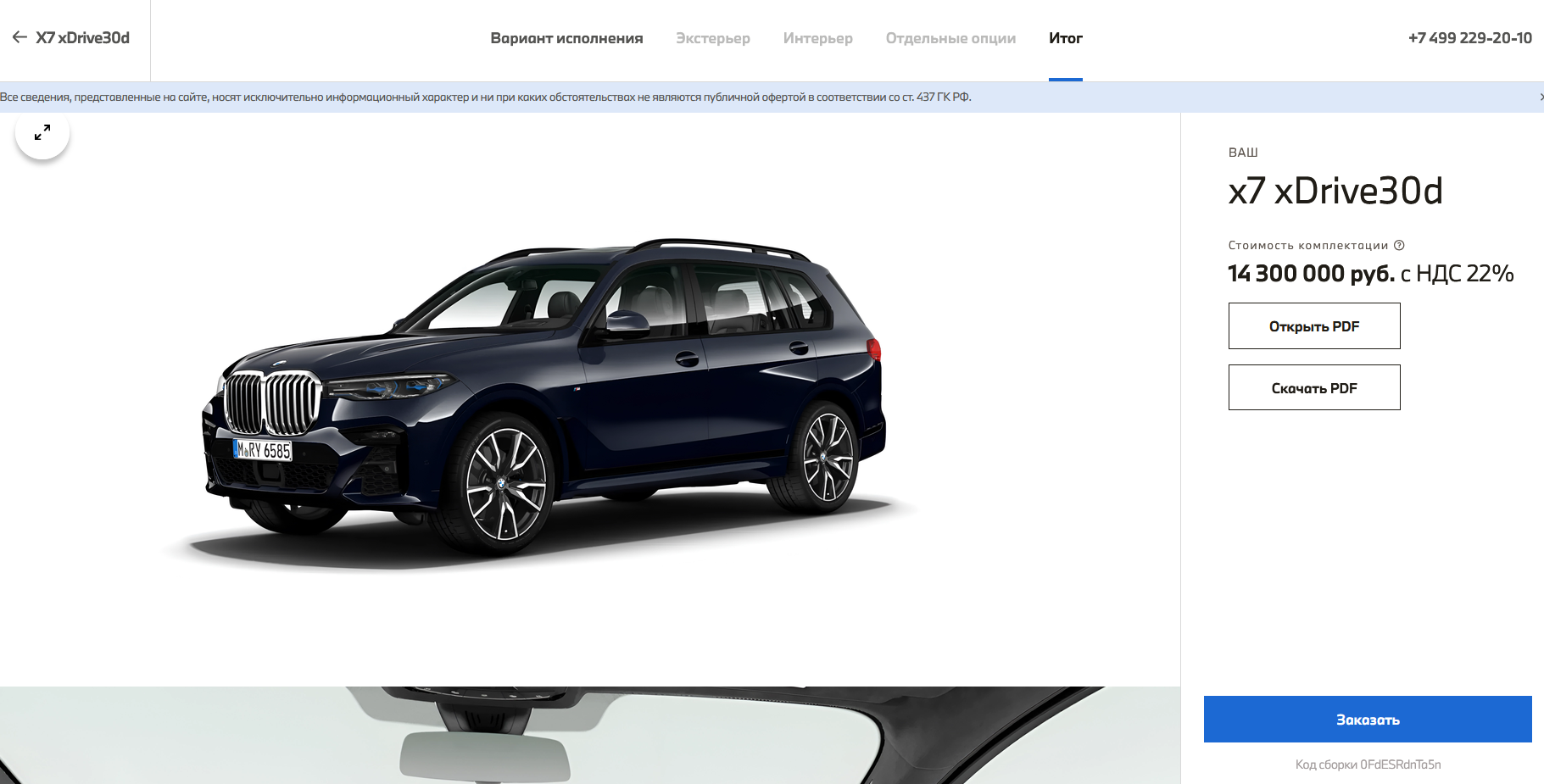
The wildest part might be how much people are paying for these bootleg cars. Reports and some websites show that pricing starts between 11.9 and 12.9 million rubles (about $154,000 and $167,000 at current rates) for base versions. The website supporting the marketing and sales of these cars prominently features a low-end price of 13.6 million rubles or about $172,150. That’s right, we’re talking Range Rover SV money for a base BMW SUV.
Despite that, demand appears strong. Russian market data indicates BMW sales have increased significantly in 2025, with many buyers apparently willing to accept the risks in exchange for a lower purchase price than imported gray-market examples. As we pointed out in May, some wealthy buyers in the nation are willing to pay in excess of $700,000 for rare gray-market cars like the Toyota Crown SUV.
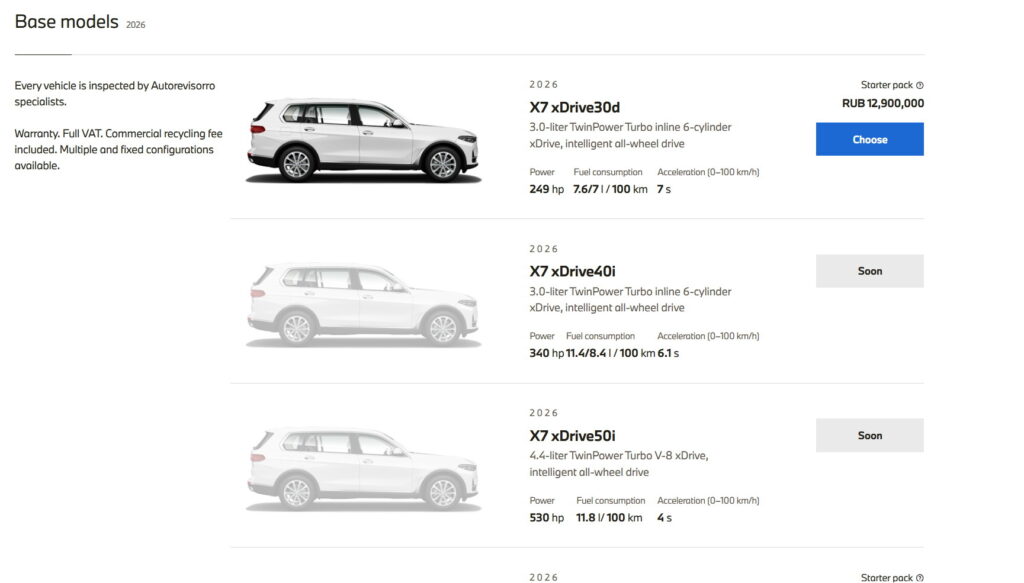
Even so, these locally built SUVs come in tens of thousands of dollars, or millions of rubles, cheaper than equivalent gray-market imports. Sellers have even spun the disconnected software as a selling point, claiming the cars can’t be remotely disabled through BMW’s official systems.
More: Panic In Russia As Hundreds Of Porsches Mysteriously Shut Down
Of course, at some point, the parts that BMW left in Russia will run out. It just might not be for several years. One logistics expert speculated to RFE/RL that “if the plant was producing 1,000 vehicles a month before [the war], but is now only producing 50, then even three months of pre-2022 stock would last five years.”
One thing is for sure. If several years from now a 2025 or 2026 BMW pops up for sale near you with a price too good to be true and a face from 2022… maybe skip it.