Heather Diehl/Getty Images
- OpenAI CEO Sam Altman has a three-part plan for the company.
- At Tuesday’s DevDay keynote, Altman outlined the “models, building, and distribution” approach.
- ChatGPT now has 1.2 billion weekly users, and Altman is ramping up its ambitions.
Sam Altman laid out OpenAI’s three-step vision for business dominance.
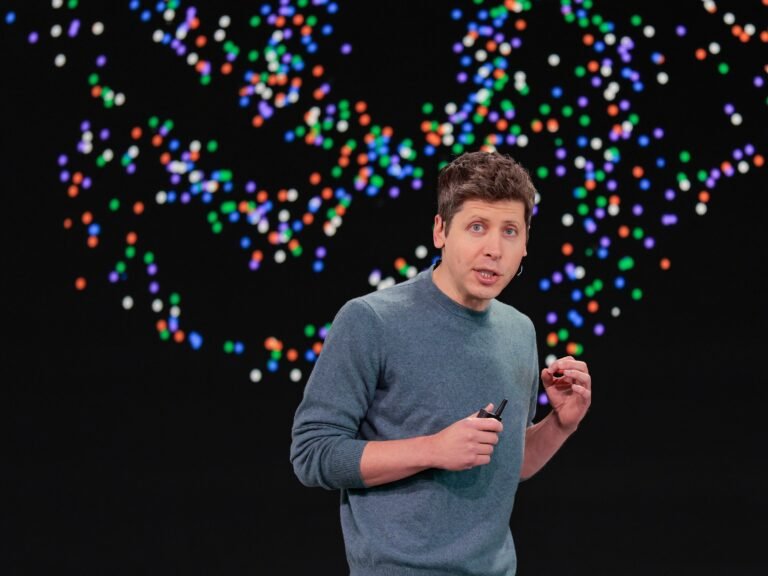
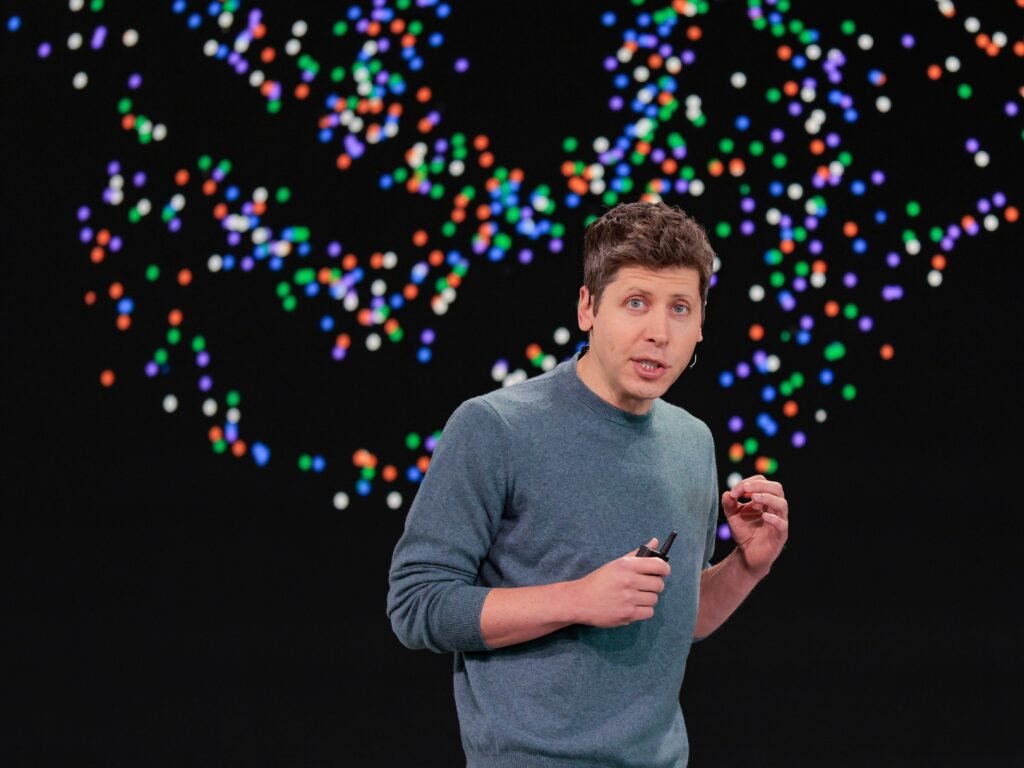
The CEO revealed a slew of updates to ChatGPT and related company products at its developer conference in San Francisco on Tuesday. He also outlined a three-part plan: provide the best AI models, make them the easiest for developers to build on, and become a “marketplace” for business customers to reach one another.
Altman’s framing speaks to the vast growth the AI company has seen since it burst into the limelight with ChatGPT — and the pressure that OpenAI and rival Anthropic face to justify their lofty valuations with ambitious business plans.
The first step is “models,” then “building,” then “distribution,” Altman told a crowd of developers and employees at the Fort Mason venue.
“We want to support you all with a powerful platform for building whatever you can dream of,” he said.
OpenAI’s models come first
OpenAI started as a research lab before AI caught Silicon Valley’s attention. The company now faces a whole slew of competitors in model research. Anthropic, Meta, Google, and SpaceXAI fight for improvements, while Chinese competitors nip at OpenAI’s heels with cheap offerings.
OpenAI still spends most of its computing power on research. Altman announced a new model on Tuesday dubbed GPT-6.1 Sol, which he framed as an affordable alternative to its latest Astra model. He also announced access to Ultrafast, a markedly more expensive, faster way to access OpenAI models.
“Our goal is to give you the best combination of intelligence and capability at every price point in the whole market,” Altman said.
That’s a tall order and sticks OpenAI in a long-term fight. Both Anthropic and other AI model companies will continue to boost their capabilities and fight on price.
OpenAI launched new ways to access its models’ power
Altman then launched into his next phase: building.
“We want you to have the same tools we use inside OpenAI,” the CEO said.
He announced that the company had added its Codex AI coding tool to the cloud, allowing developers to use it across devices. Then he revealed an application programming interface, or API, that customers can use to build agents.
Another new API, meant for rapid decision-making, got a big round of applause from the crowd. Jev, the viral model from the startup TypeSafe AI, does something similar.
“We want to be a one-stop shop for you to build,” Altman told developers.
OpenAI wants to become a ‘marketplace’
OpenAI has a valuable asset: a huge user base. More than 1.2 billion people use ChatGPT every week, the company said Tuesday.
It’s also become a go-to place for other businesses to plug in, hoping to snag users or integrate their current users with the company’s AI tech. OpenAI is now ratcheting up its role as a go-between.
Altman said that business customers can now use part of their existing OpenAI commitments toward buying its partners’ products. Users can also “Sign in with ChatGPT” on other AI products to use part of their own token allotments.
Business Insider asked Altman about these ambitions during a Q&A after his keynote. The CEO said he sees the cloud computing providers as a good example of how to assist the wider ecosystem and that he’d like OpenAI to become a place to route demand and connect customers.
“We want to figure out how to put this everywhere and drive people, revenue, and customers, and help people create these new things and make the most robust, richest ecosystem we can,” Altman said.
Have a tip? Contact this reporter via email at scouncil@businessinsider.com, or over text, Signal, Telegram, or WhatsApp at 415-757-8198. Use a personal email address, a nonwork WiFi network, and a nonwork device; here’s our guide to sharing information securely.