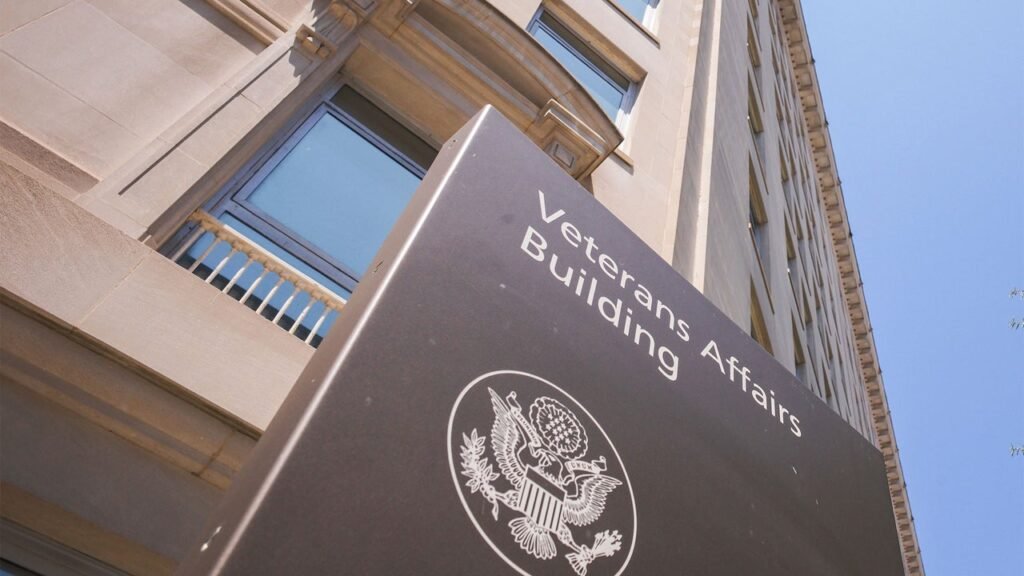
Some good news for military veterans who collect disability and retirement benefits each month.
Effective December 1, military retirement checks and Department of Veterans Affairs disability benefits will increase 3.6%, but veterans will most likely not the increase until December 31 or early January 2027, according to Stars and Stripes.
The increase is tied to the Social Security Administration announcement on Wednesday of their largest annual cost-of-living adjustment (COLA) in years for next year, 2027. (Those numbers are based on consumer price index from the Bureau of Labor Statistics (BLS) based on September inflation data which is up to 3.7%, up from 3.4% in August.)
Like other Americans who receive Social Security benefits, those receiving veteran disability and retirement checks will also get a 3.6% bump, which amounts to an extra $36, for every $1,000 in their pension, per month.
“Many military retirees are far younger than the typical Social Security recipient, so they’re still paying a mortgage, raising kids, supporting a spouse whose career took a hit from years of moves,” Robert Laura, a financial planner and founder of the Retirement Coaches Association tells Fast Company. “A 3.6% is welcomed, but it doesn’t come close to the rising costs many are carrying in their civilian rucksack.”
However, there is a silver lining.
“Veterans should expect to see a significantly greater impact from the COLA increase than non-veterans,” Greg Welborn, principal and financial advisor at First Financial Consulting tells Fast Company. “[Their] benefits are tax-free so they pay no income tax on the increase; and they [also] won’t see any increase in medicare premiums to offset the COLA.”
More than 8 million veterans in the U.S. receive disability and retirement benefits, according to Stars and Stripes.
Unlike Americans who receive military pensions and Social Security payments—which are automatically adjusted each year based on COLA—VA disability benefits are subject to the Veterans’ Compensation Cost-of-Living Adjustment Act, which Congress must pass before president Donald Trump signs into law.