Stellantis And Uber Move To Lap Tesla
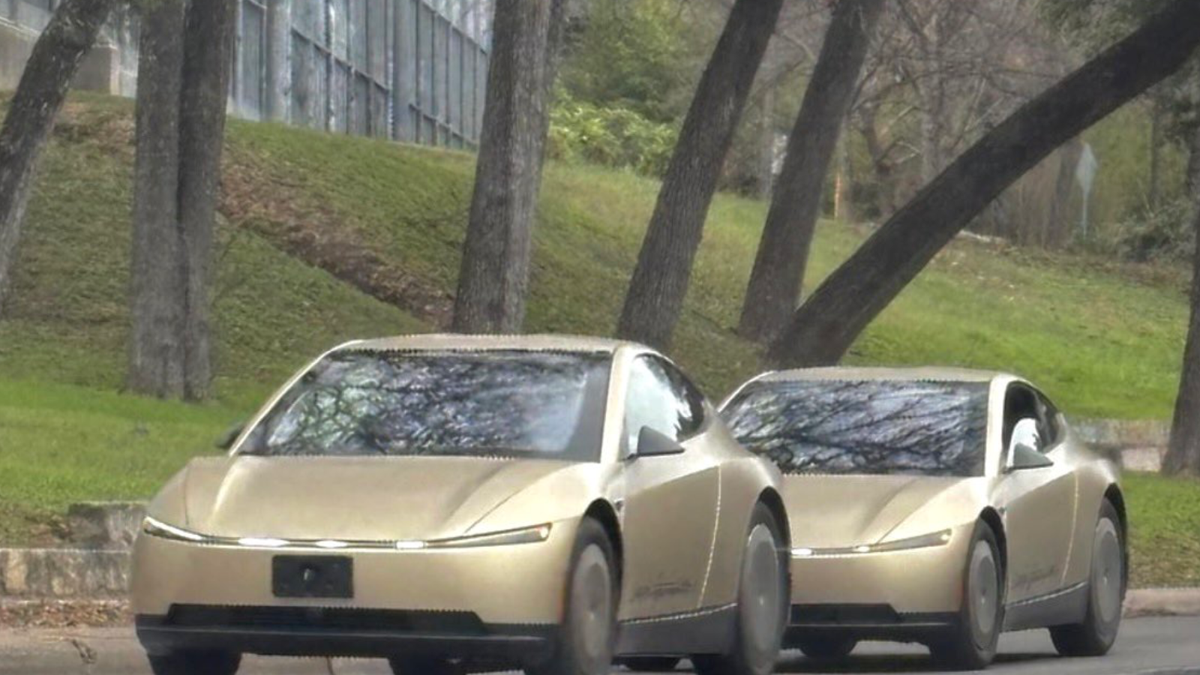
The race for autonomous supremacy is shifting rapidly from laboratory testing to global commercial deployment. While headline writers focus heavily on newly leaked Tesla Cybercab EPA specifications, a powerhouse trio of legacy automotive manufacturing, advanced artificial intelligence, and rideshare dominance is moving to capture the market. Stellantis, Wayve, and Uber have signed a landmark agreement to jointly develop and deploy Level 4 driverless robotaxis on a global scale.
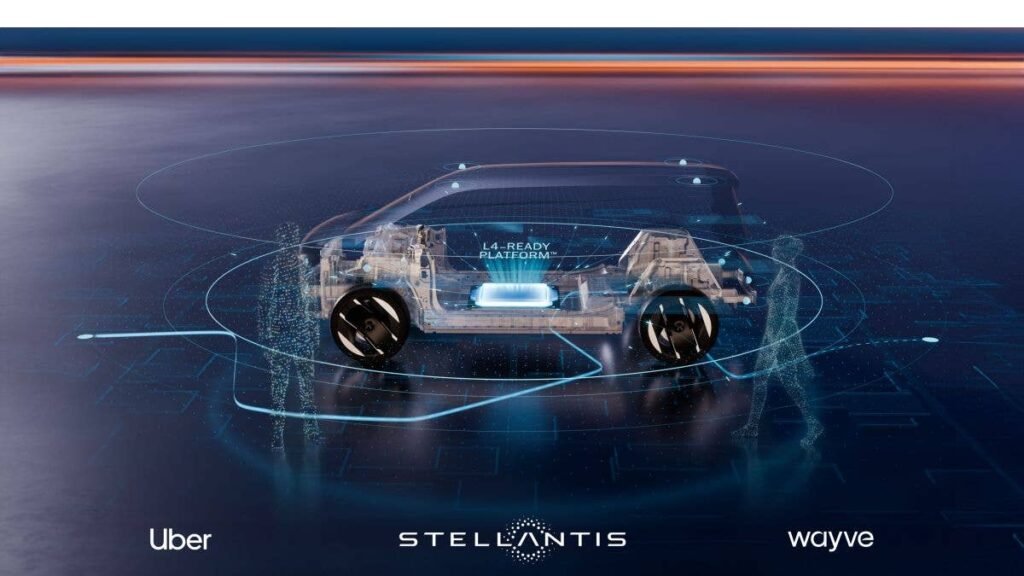
This strategic relationship intends to combine the three distinct corporate pillars required to successfully commercialize autonomous mobility. Stellantis will design and manufacture vehicles built on its advanced L4-Ready Platforms. These architectures feature factory-embedded sensor suites and the structural redundancies needed for high-utilization fleet operations. Wayve will provide its end-to-end AI driving software to navigate complex environments, while Uber opens up its massive global mobility network to riders.
Uber Pressures Rivals With Global Pacts
This massive alliance is part of a broader trend where Uber consolidates its position as the ultimate gatekeeper for autonomous vehicle deployment. The industry is watching closely as reports suggest a potential Nissan and Uber partnership could debut soon to challenge established autonomous players. At the same time, specialized deals mean companies utilizing Lucid driverless tech are finding new avenues into the ride-hailing ecosystem. Furthermore, a recent Rivian robotaxi investment worth over one billion dollars highlights how Uber is aggressively squeezing traditional tech rivals.
The new partnership between Stellantis, Wayve, and now Uber operates under a non-binding Memorandum of Understanding. This agreement establishes a framework for production, licensing, and vehicle procurement. The companies plan to begin immediate work on vehicle integration, validation, and testing across Europe and North America. Executives from the participating firms emphasize that building an open, powerful ecosystem is the absolute fastest way to safely scale autonomous vehicle services for millions of daily riders.
Stellantis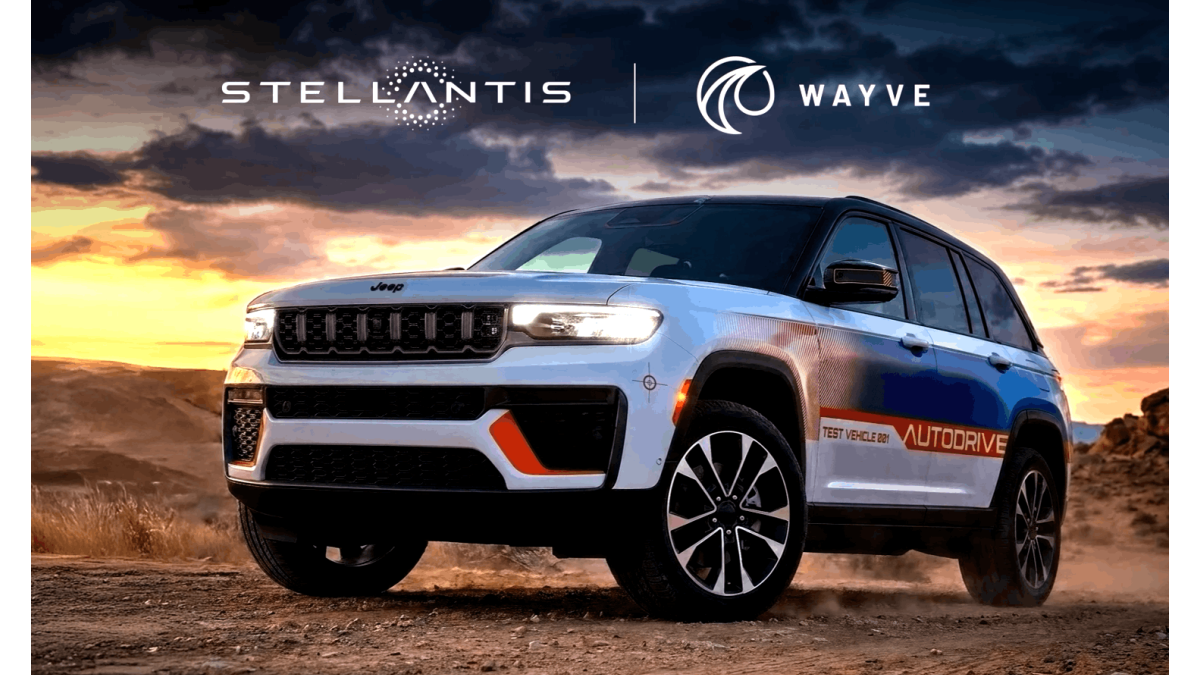
The Lowdown
This alliance represents a critical turning point, exposing the flaws in a purely vertically integrated autonomous strategy. Developing a safe self-driving vehicle is only half the battle. Capturing a customer base requires an incredibly expensive, established digital marketplace. By choosing to collaborate rather than compete, Stellantis and Wayve are bypassing the multi-billion-dollar hurdle of building a proprietary ride-hailing network from scratch.
Wayve’s mapless artificial intelligence technology gives this specific partnership a unique edge over legacy AV operators. The software does not rely on intensive city-by-city high-definition mapping. Therefore, the trio can theoretically launch in new markets with minimal friction. This modular ecosystem approach proves that the future of autonomous transport will not belong to a single tech monarch, but to the cleverest alliances.