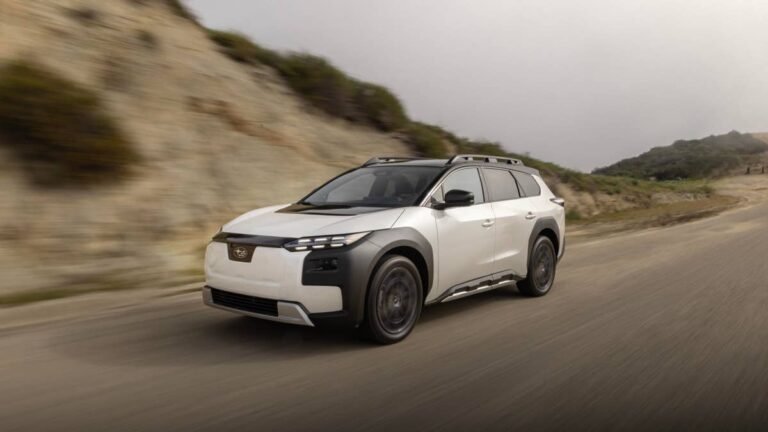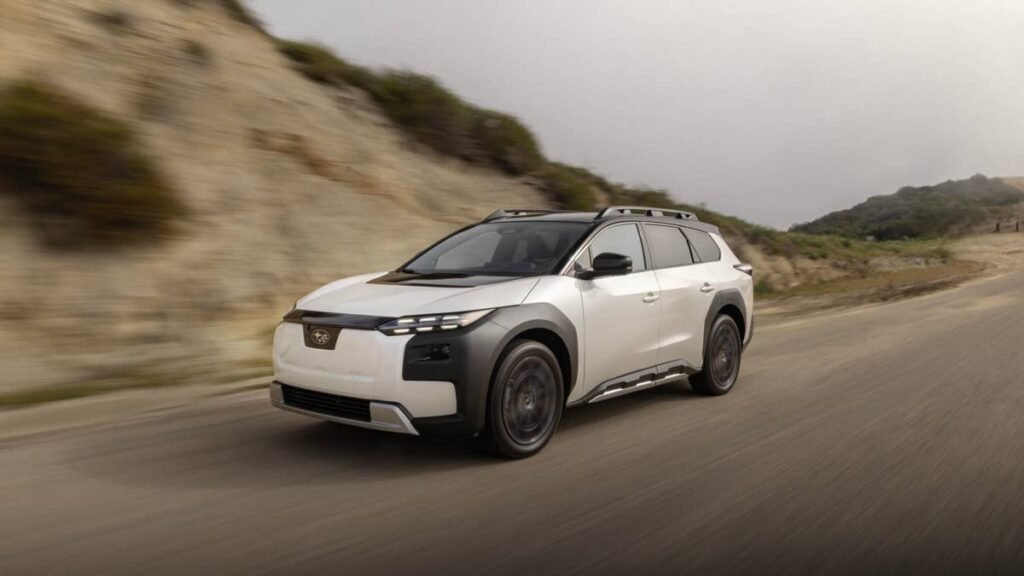
Subaru is raising destination charges by $50 across its 2027 lineup, according to a dealer bulletin. The change applies to orders placed on or after October 22. It won’t show up in the advertised price, which is exactly why it matters – raising fees is one way automakers lift prices without changing the MSRP.
The New Numbers
|
Model |
2026 |
2027 |
|---|---|---|
|
Ascent, Outback, Trailseeker |
$1,495 |
$1,545 |
|
Crosstrek, Forester, Uncharted, Solterra |
$1,475 |
$1,525 |
|
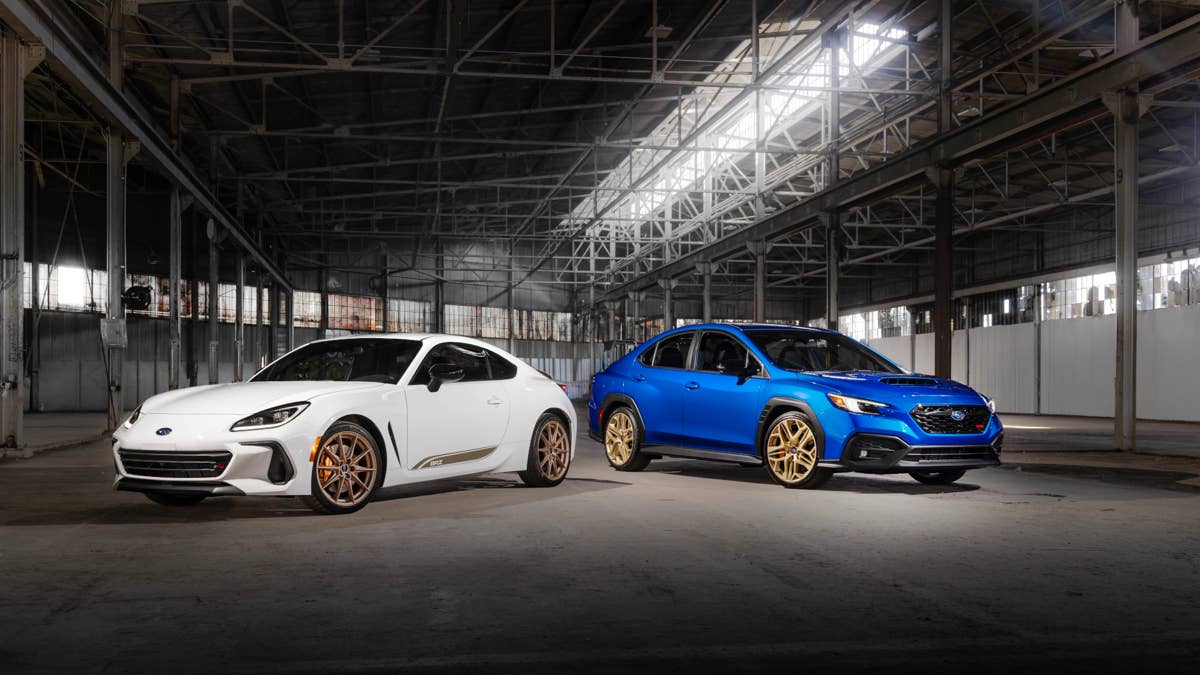
Impreza, BRZ, WRX |
$1,245 |
$1,295 |
Each increase is $50, or roughly 3 to 4 percent. CarsDirect breaks down these fees and finds that higher fuel costs are among the explanations automakers use to justify these increases.
The average U.S. destination fee has climbed from $952 in 2015 to $1,592 in 2026, a 67 percent jump, according to reports. Analysts say that fees let automakers protect margins without drawing attention to the MSRP. The charge must appear on the window sticker, but it doesn’t have to appear in the headline price.
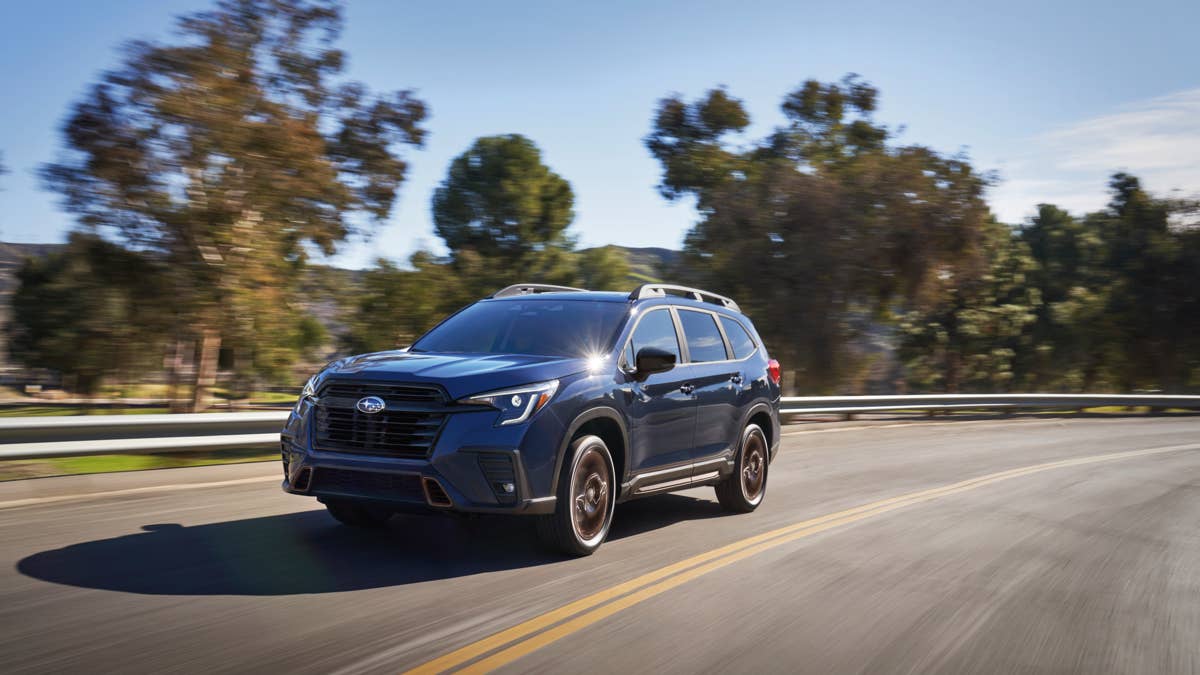
Subaru Is Still The Cheaper Option
Subaru’s SUV fees are lower than most rivals’, per the source’s comparison: Toyota and Honda charge $1,595, Mazda $1,645, Chevrolet $1,995 and Ford $2,045. Subaru’s $1,545 matches Nissan. Full-size trucks are the real outliers, with Ford and GM going up to $2,895 on their biggest models. So this isn’t a case of Subaru gouging anyone. It’s a case of what the whole market is doing.
What To Do About It
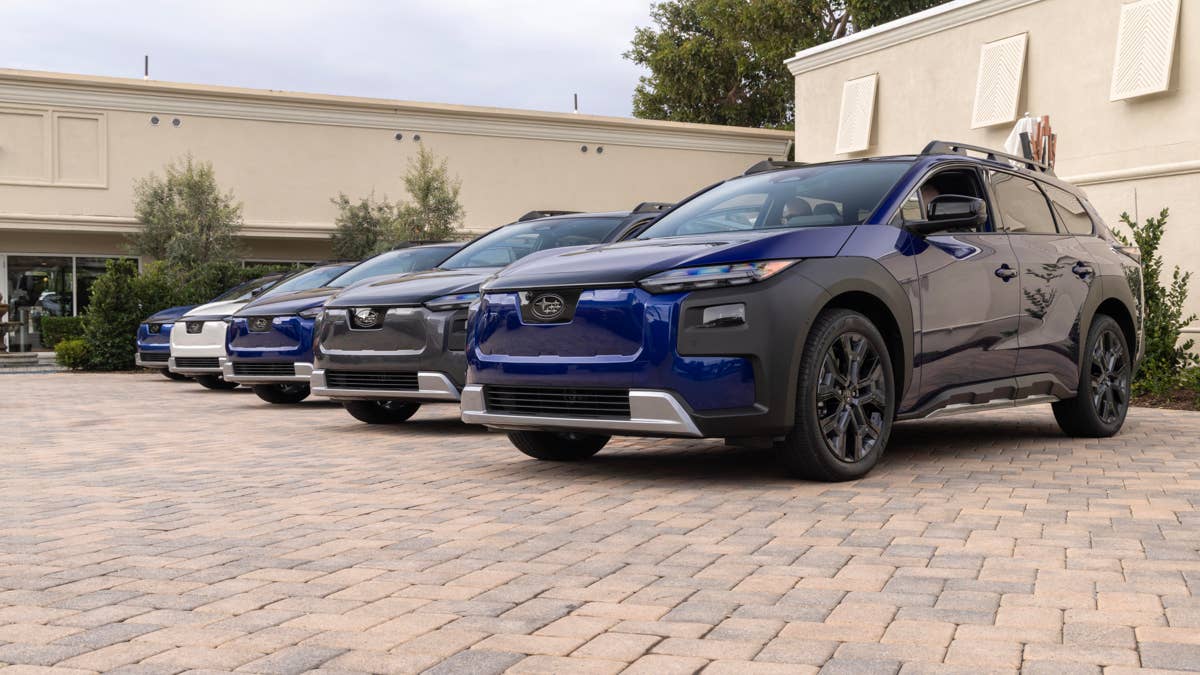
Subaru
Automakers set the destination charge, and it is the same no matter how far you live from the factory, so the real leverage is the price of the car itself. Shop on the out-the-door price, not the MSRP, and compare cars with their destination fees included. Two cars with close sticker prices can end up hundreds of dollars apart once different fees are added, and a gap that small is easy to miss.