Subaru Sees More Room to Grow in America
Subaru has carved out a loyal following in the US, one of its biggest strongholds outside Japan. But the brand clearly thinks it’s just getting started.
According to its 2026 Integrated Report, Subaru is eyeing a 5% share of the US car market. That’s a big leap from 3.9% at the end of 2025, and it’ll take more than just keeping the current fanbase happy. Subaru wants to plug the holes in its lineup and win over drivers of all ages, coast to coast. It’s a bold move for a brand that’s usually stuck to its niche. The automaker’s challenge now is to cast a wider net without losing the quirky charm that made it a household name in the first place.
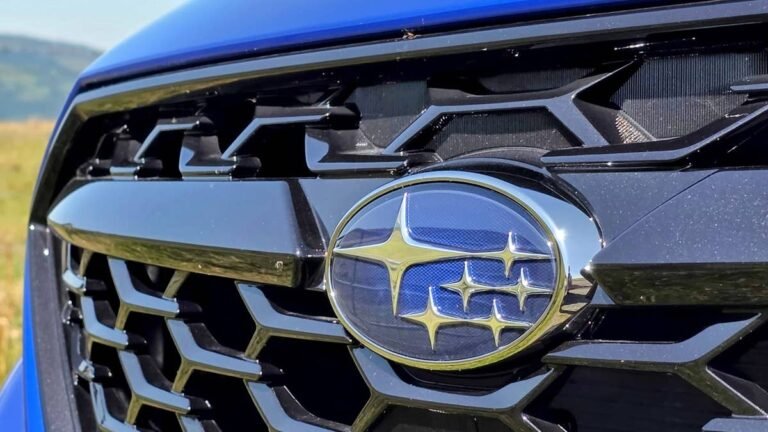
Subaru
A Bigger Lineup and More Flexible Production
Subaru’s game plan is to roll out more models and make its factories quick on their feet. The idea is to fill in the lineup gaps and give shoppers more reasons to take a second look. Subaru’s also got its sights set on selling over 1.2 million cars a year worldwide by the early 2030s. That’s a big jump from the 896,000 it managed during the fiscal year that ended March 2026.
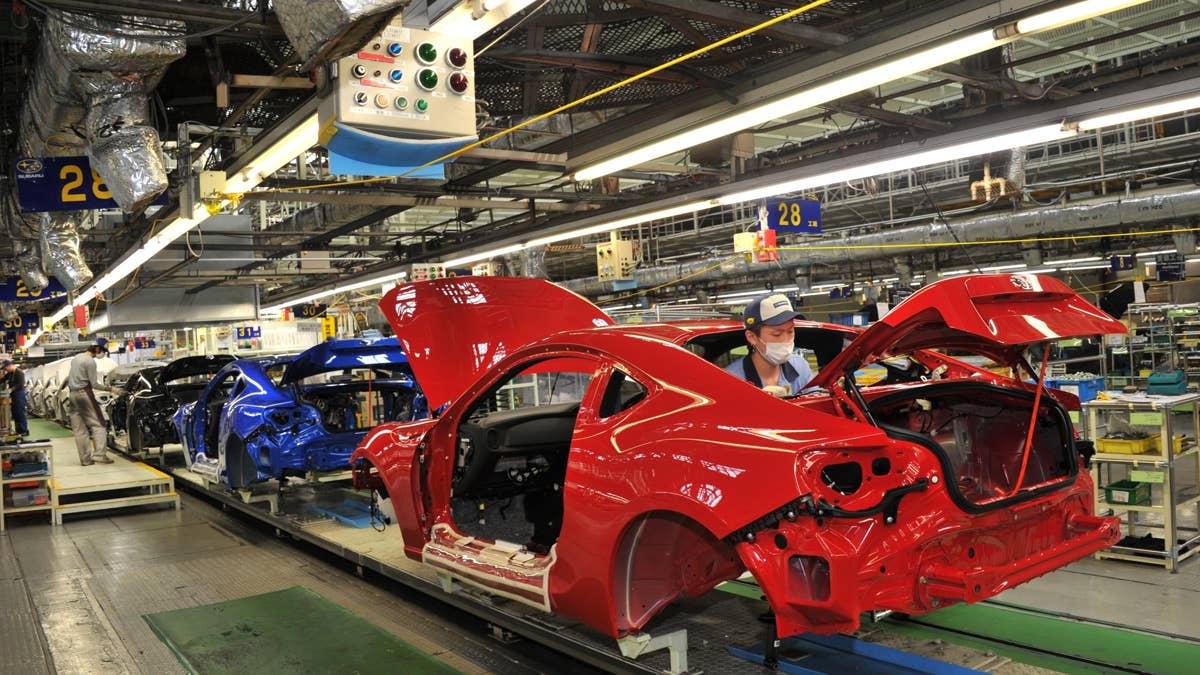
According to the company, flexible production is key here. Subaru’s Yajima plant in Japan started cranking out battery-electric cars in early 2026, and now the same line can build Toyota EVs right next to gas-powered Foresters.
Come fall 2026, that plant will also be churning out Subaru Forester SUVs for the US, backing up Subaru’s Indiana factory. That should help Subaru keep up when demand spikes or the market throws a curveball.
Subaru’s also sharpening its pencil with the Cost Innovation 20-30 plan, aiming to slash about ¥200 billion ($1.26 billion) a year from its expenses by 2030. That extra cash could help cushion the blow from rising costs and those pesky US tariffs.
Subaru Needs More Than Its Existing Reputation
Subaru’s already got a strong identity in America, but snagging 5% of the market means luring in folks who’ve never given the brand a second thought. That might mean jumping into segments where the competition is already throwing elbows. At this point, Subaru’s been making changes to its pricing, with base models being reintroduced for the 2027 model, lowering the price of entry.
Subaru has to walk a fine line: attract new fans without alienating the loyalists. Just tossing more models into the mix won’t cut it if they don’t bring something special to the table. Its production changes and cost-cutting efforts are sensible steps, particularly as automakers face pressure from tariffs and shifting demand. However, the bigger challenge will be making the lineup relevant to a wider audience.
Subaru knows what it wants and has a roadmap to get there. Whether it can actually poach buyers from the big names will come down to the cars it rolls out and how well they click with American drivers.
Subaru