Cars Are Just the Beginning
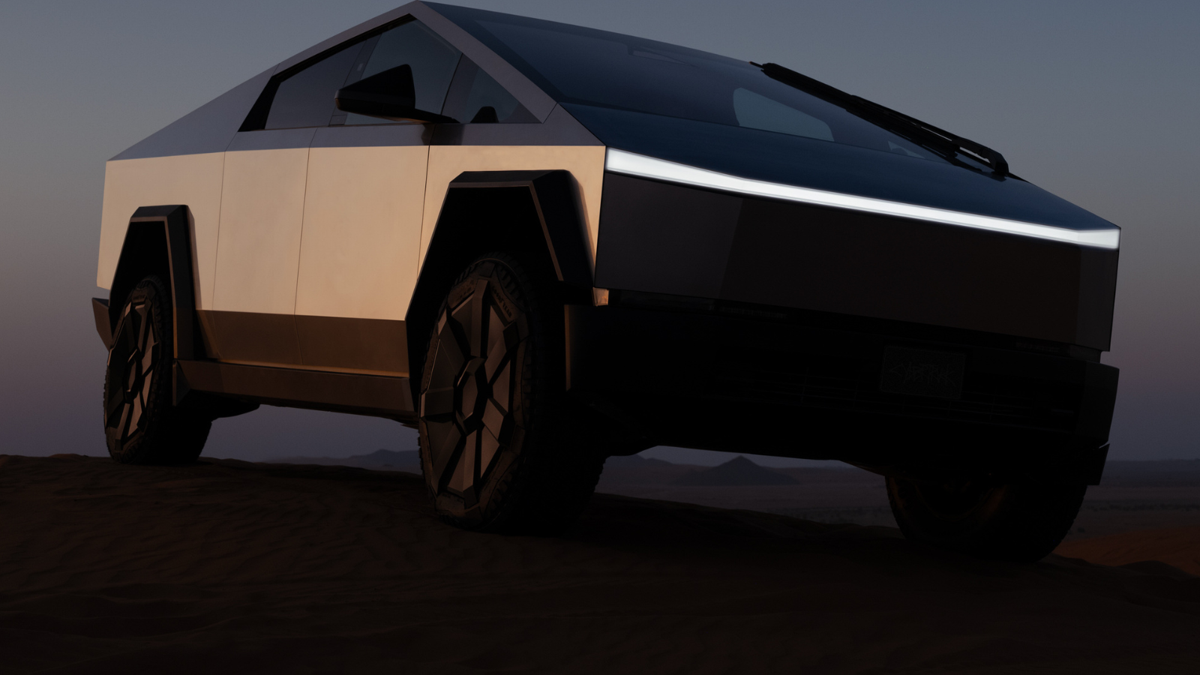
Tesla today has expanded beyond electric vehicles, with plans to move further into the robotaxi business with the Cybercab and produce the Optimus humanoid robot. The latter requires retooling part of the company’s Fremont facility in California, contributing to the discontinuation of the Model S and Model X.
After CEO Elon Musk took his rocket and spacecraft company SpaceX public in June 2026, speculation surfaced over whether Tesla could expand further by merging with SpaceX. Such a deal would create a massive public entity spanning several sectors, from EVs and robotics to rockets and satellites. However, Reuters reported that Musk dismissed a Wall Street Journal report claiming that the EV maker was considering separating its China business to facilitate a potential merger, calling it “fake news.”
SpaceX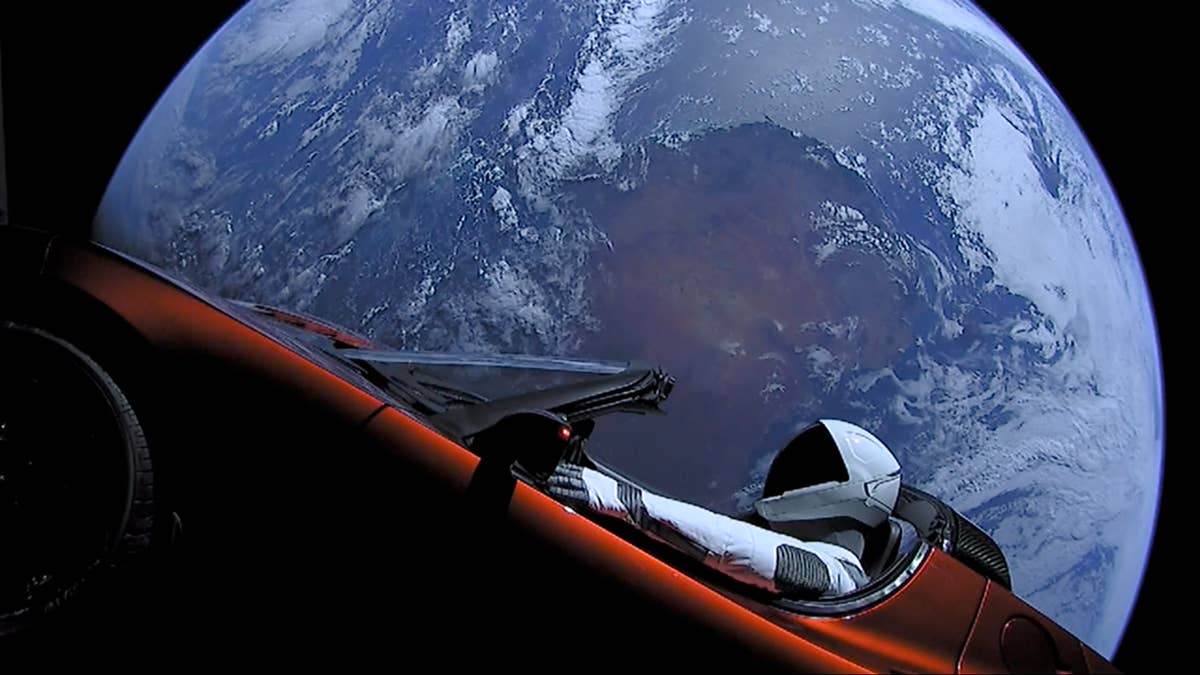
The Deal Could Hit a Geopolitical Wall
Perhaps the biggest hurdle to such a merger would be Tesla’s ties to China, where it operates Gigafactory Shanghai. Because SpaceX is a major U.S. defense contractor involved in national-security and satellite programs, combining the companies could create geopolitical tensions. The wider U.S. concern over Chinese-linked connected technology is serious enough that Polestar has been barred from selling new 2027-model-year vehicles in the country.
Musk wrote on X, formerly Twitter, “This has never even come up in a discussion ever. Absurdly fake news. People should assume news is fake until proven otherwise.”
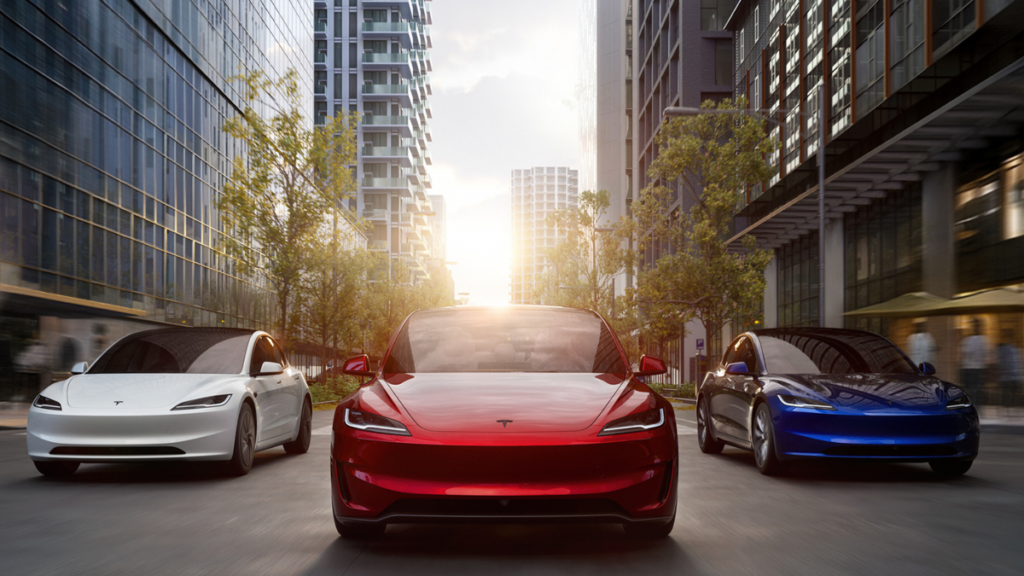
Gigafactory Shanghai is a crucial asset, with an annual production capacity of more than 950,000 vehicles. These vehicles are not only sold in China – the world’s largest car market – but are also exported to markets including Canada. This helps explain why the Shanghai-built Model 3 in Canada costs roughly $8,000 less than its U.S.-built counterpart.
Tesla
Tesla’s Potential Space Upgrade
If the merger somehow goes through, it would not necessarily add a rocket boost to models like the Roadster, but Tesla would gain exposure to SpaceX’s satellite business. Starlink could potentially support connected services, including in-car data coverage in remote areas and communications for a future robotaxi fleet.
However, while the Wall Street Journal reported that Tesla had considered separating parts of its China operations as a geopolitical safeguard, Musk said no sale, spin-off, or closure of the China business had ever been discussed.