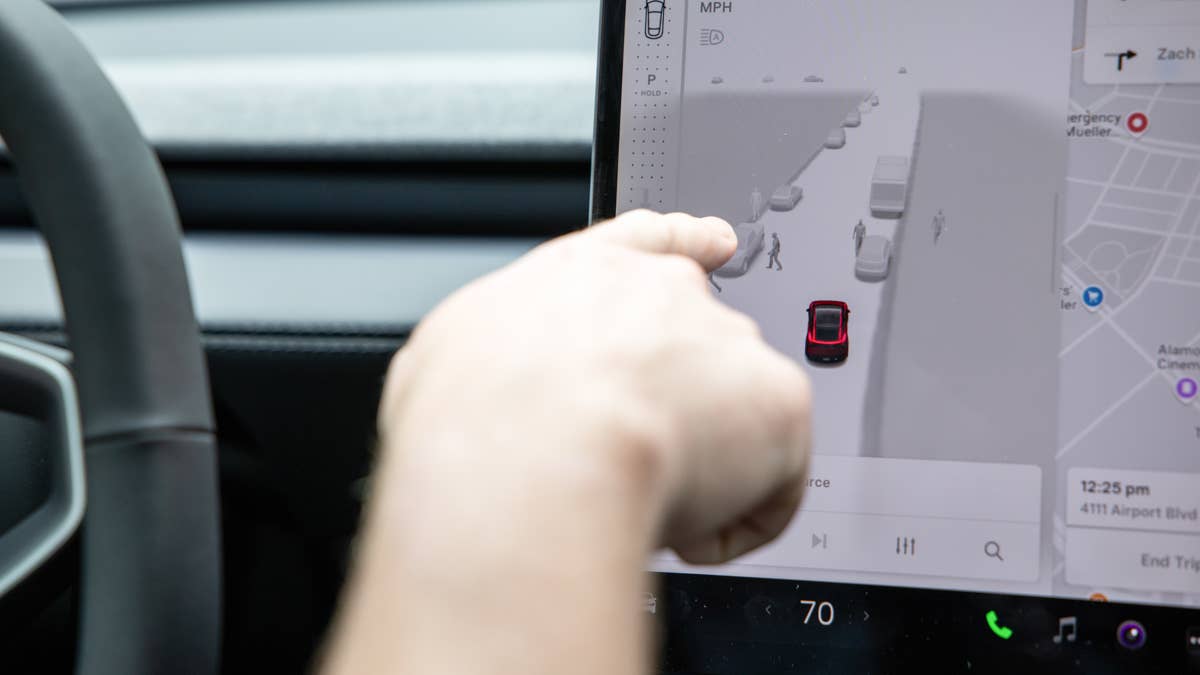
For years, motorists have tried every trick to wriggle out of a speeding ticket. From claiming a broken speedometer to pretending they were rushing to an emergency, traffic officers have heard it all. Today, a modern twist on the classic roadside excuse is rapidly gaining traction. Drivers are increasingly pointing their fingers at their dashboards and blindly blaming the sophisticated algorithms running their cars.
This technological scapegoating comes at a pivotal moment for the automotive industry. As lawmakers finally scramble to write autonomous vehicle laws, a dangerous culture of confusion has firmly taken root among everyday consumers. People erroneously believe that turning on a premium driver-assistance feature instantly absolves them of basic driving responsibilities. The harsh truth is that hands-free driving software never grants immunity from traffic enforcement.
David Paul Morris/Bloomberg via Getty Images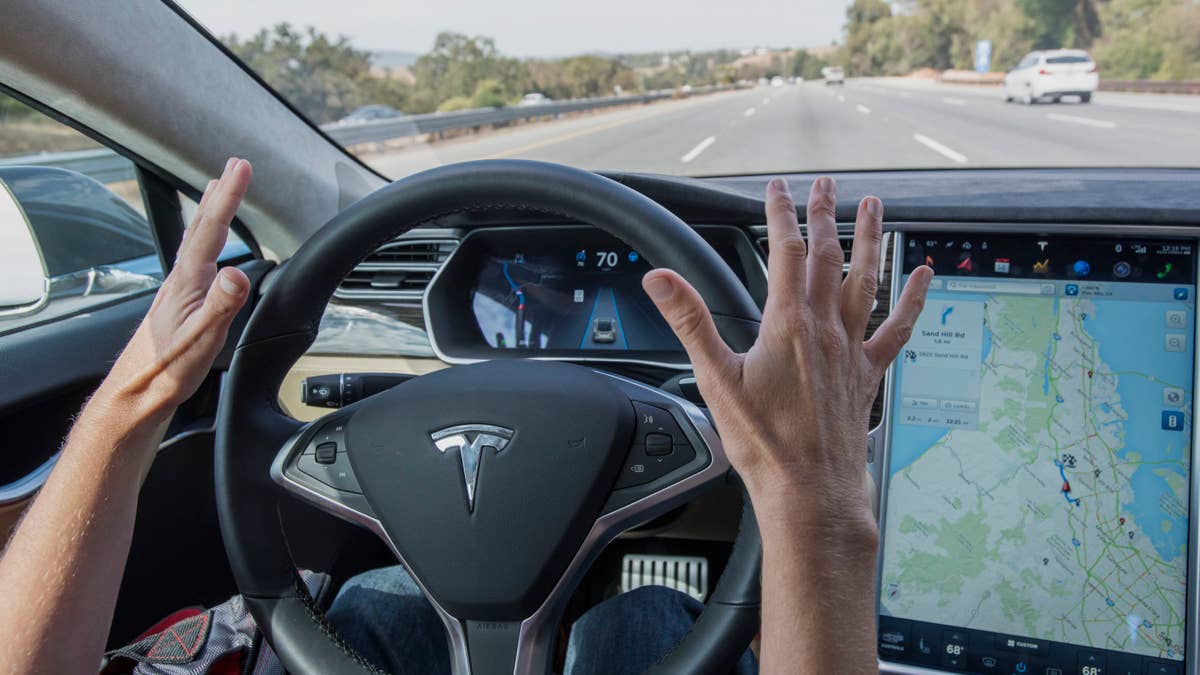
Culpa Ex Machina
The reality of this widespread confusion played out recently when one of Parker’s police officers stopped a motorist for a blatant traffic violation. The driver was caught flying down the asphalt, traveling at a dangerous 64 mph in a clearly marked 45-mph zone. Instead of handing over their license with an apology, the individual boldly decided to argue their case right on the side of the road.
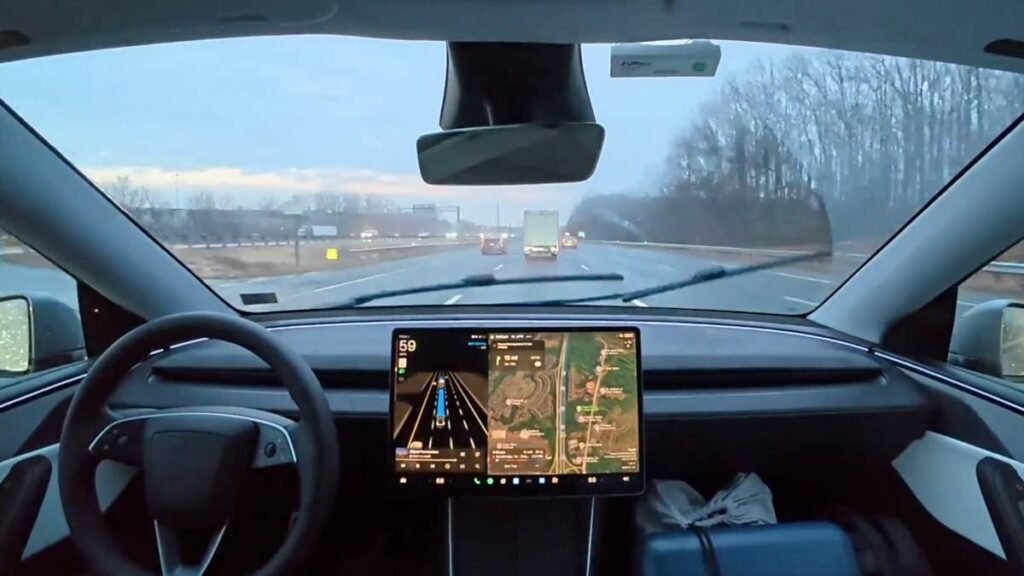
The motorist was absolutely adamant that they were not personally responsible for the excessive speed. According to the officer, the driver flatly stated, “I wasn’t driving. I had auto assist on.” The roadside confrontation did not end there. The confident driver even demanded to speak to a police supervisor, convinced that the vehicle’s active driver-assistance features legally cleared them of any wrongdoing.
Local police quickly shut down that defense, issuing a stern public reminder to the community. They emphasized that whether a vehicle has adaptive cruise control, lane centering, or full self-driving capabilities, the human behind the wheel is always legally responsible. That means obeying posted speed limits, staying completely engaged, and retaining full control to help keep Parker’s roads safe.
Time For A Radical Reality Check
Here is the uncompromising lowdown. Driver assistance technology is fundamentally designed to assist you, not drive for you. The false sense of security these programs provide is actively making roads more dangerous. Automakers aggressively market these systems with futuristic names, but the underlying software still strictly requires a fully attentive human ready to take over in a split second.
This glaring marketing disconnect is precisely why prominent automakers are currently under immense scrutiny. With regulators aggressively investigating questionable safety data and companies facing massive ongoing legal troubles, the legal framework surrounding autonomous tech is tightening. You cannot blame the computer when you are sitting in the driver’s seat. Slow down, always pay attention, and remember you are accountable for the vehicle’s actions.