Strike One: Model Y
At the 2020 Battery Day, Elon Musk took the stage and announced that the EV maker would move away from 2170 cells to 4680 cells. These new and “improved” batteries eventually made their way into the packs of 2023 Tesla Model Ys and later the Cybertruck.
It looked promising, with Musk touting that the 4680 form factor (46mm in diameter and 80mm tall) would deliver up to five times the capacity of a 2170 cell and up to six times the power. In addition to the larger size, Tesla also considered improving its chemistry, with a high-nickel cathode and a silicon anode.
However, once the 4680s left the production line and reached consumers, as with the 2023 Model Y AWD, Tesla owners were disappointed: the battery delivered poor charging performance, and Tesla canceled the 4680 version of the Model Y entirely.
Strike Two: Cybertruck and Cyber Cells
After the Model Y, the Tesla Cybertruck was slated to receive the new 4680s in its battery pack. When Tesla announced the Cybertruck, the crowd was disappointed to learn the electric pickup would use revised versions of the 4680 cells, dubbed Cybercells. Tesla said this second outing had 10% higher energy density, but was about on par with the 2170 cells that it replaced.
On top of the only modest bump in energy density, customers also complained that charging performance was still subpar, with charging times stretching beyond 30 minutes from 10% to 80% state of charge. Tesla did try to rectify the issue with a software update and roll out its 800-volt charging standard, but that did little to improve the Cybertruck’s reputation at the plug.
Strike Three?: Roadster
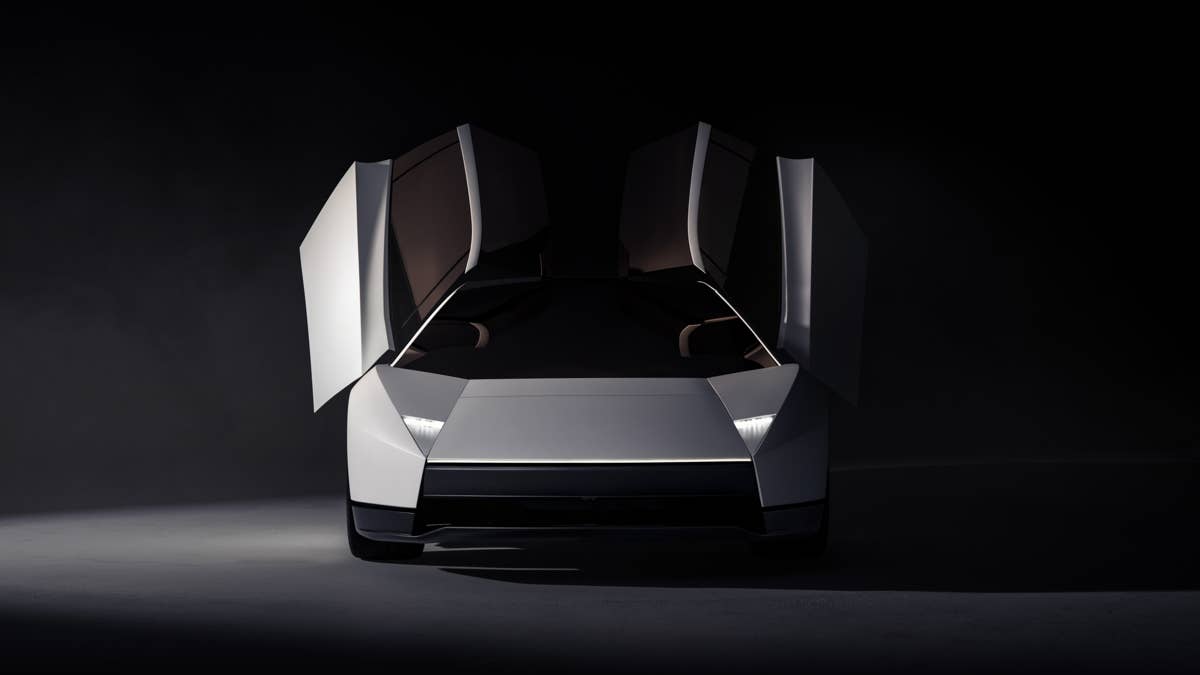
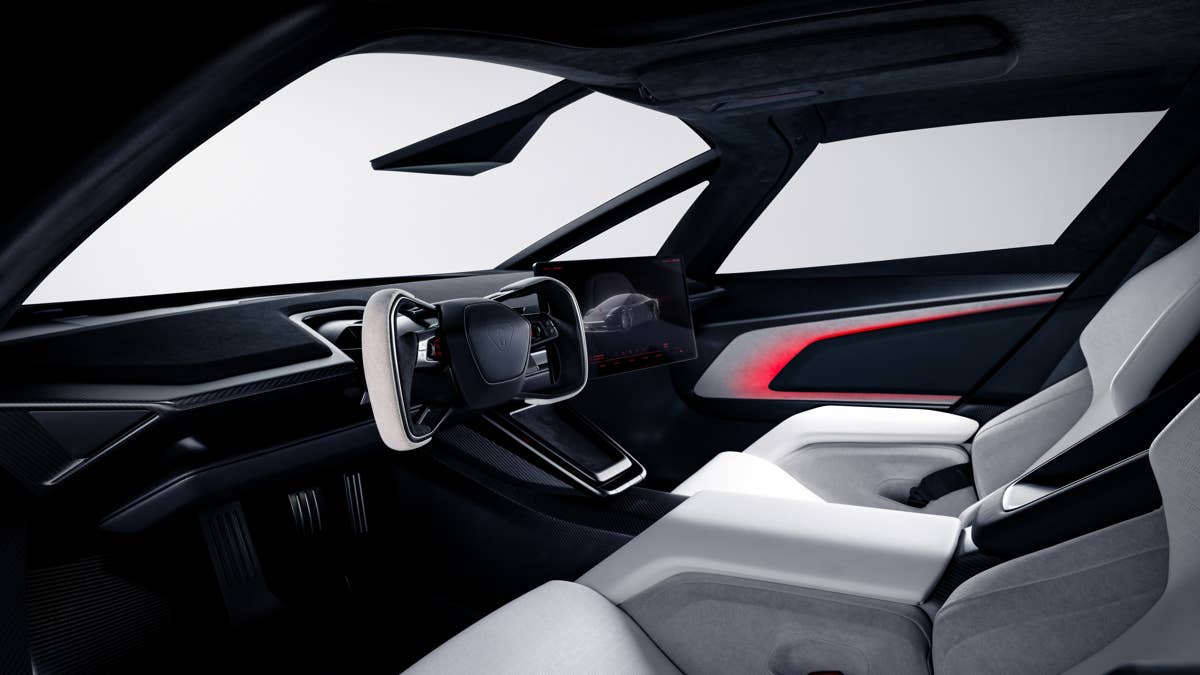
After the October 15 launch of the Tesla Roadster this year, sources learned it uses 4680 cells. Of course, most people’s eyes were glued to the stunt demo with the thrusters, but hardcore Tesla fans were wincing at the fact that Tesla’s still trying to make its 4680 work after all this time.
In an interview with Hagerty, Tesla’s chief of engineering, Lars Moraby, said the Roadster uses “special cells” with special chemistry. That, in turn, will improve charging performance over the Cybertruck. The Roadster’s 4680 cells use aluminum instead of steel to house the cells, improving heat dissipation and theoretically improving charging performance.
The main reason charging performance on the Cybertruck and Model Y was so poor was subpar thermal management. The Roadster will use double-sided cooling jackets and cool each 4680 cell individually. Improving the cooling system improves not only charging performance, but also real-world performance. Moraby said that Tesla Roadster owners will be able to push the car on track for about 20 minutes at a time, with a 10% to 80% charge happening in just 10 minutes.
For now, that is all claims and yet-to-be-delivered promises. Tesla has also yet to deliver the Roadster to consumers, even asking for a hefty sum from interested clients who want to reserve one right now. Early adopters might think the brand has finally fixed its 4680 format once and for all, but I think the rest of us should wait until Tesla actually delivers the Roadster after all these years.