An Intersection of Allegations
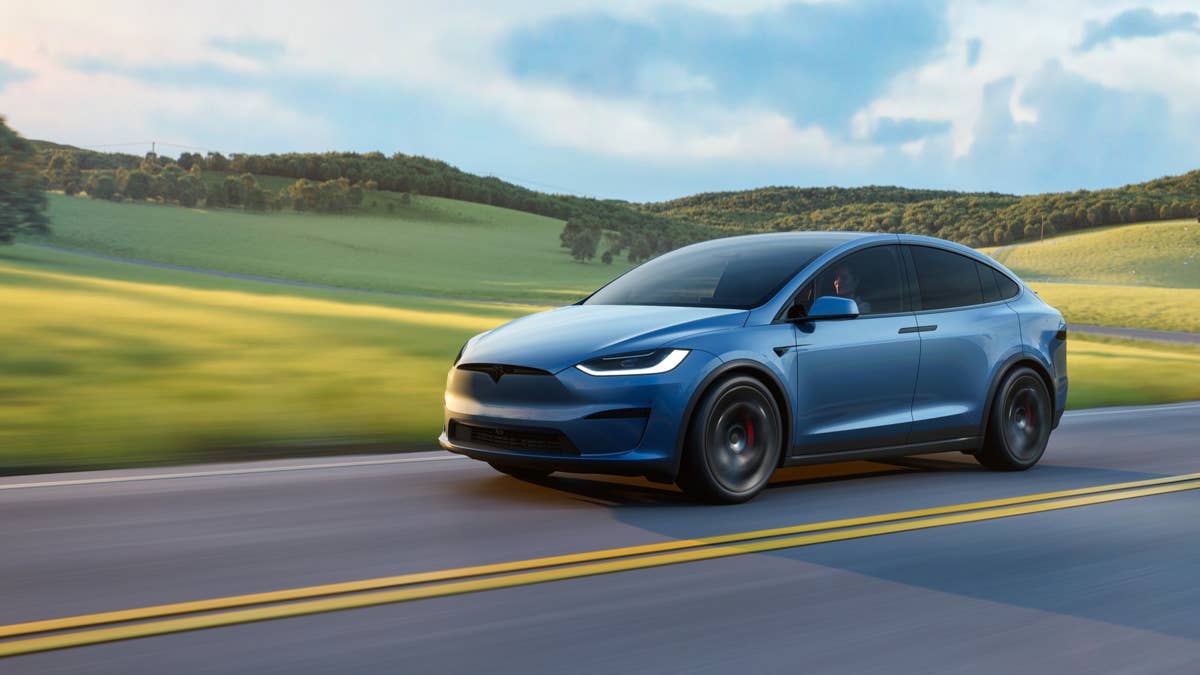
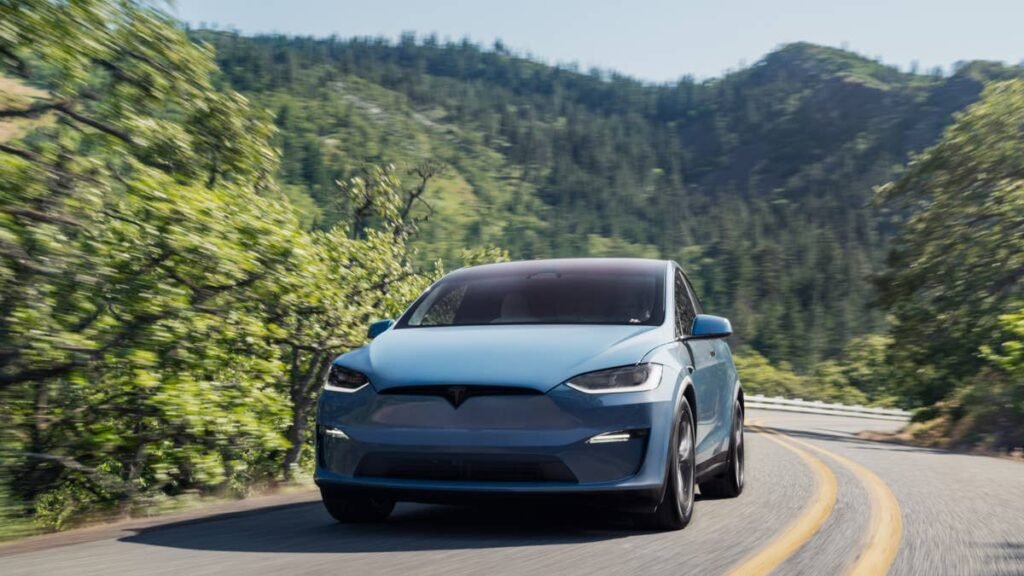
Another day, another lawsuit involving Tesla’s advanced driver-assistance system. This time, however, a suit filed by a 2023 Tesla Model X owner from Kirkland, Washington, combines allegations resembling two widely reported issues: sudden unintended acceleration and driver-assistance software proceeding through red lights.
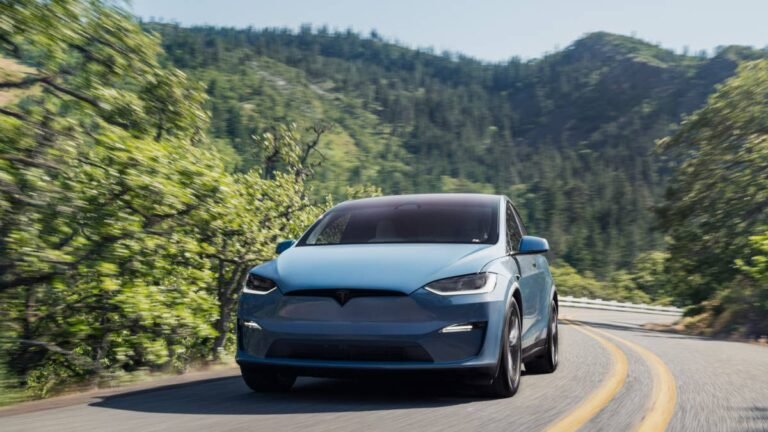
According to the lawsuit, via King 5, plaintiff Linh Nguyen was with his daughter in June 2023 when he stopped at a red light at 144th Street Northeast and 124th Avenue Northeast in Kirkland. The complaint claims that Autopilot triggered the Model X to suddenly accelerate, and that “the sudden and unintended acceleration of the vehicle was so violent that it caused the vehicle’s tires to burst.” The EV did not strike another vehicle, but it eventually hit a curb. The incident allegedly left Nguyen and his daughter with injuries.

Too Much Pressure?
Taking the language of the lawsuit literally, it’s hard to imagine the now-discontinued Model X blowing its tires because of sudden acceleration, especially since the EV is engineered to handle strong instant torque. However, the complaint may instead be referring to the overall severity of the incident, including the vehicle eventually striking a curb.
Another notable claim is that Nguyen paid $15,000 for what the lawsuit describes as Autopilot, even though basic Autopilot came standard. Tesla’s Full Self-Driving (FSD) package cost $15,000 at the time of the incident before it eventually switched to a subscription-only model earlier this year. If the complaint refers to FSD, the vehicle could fall within NHTSA’s ongoing investigation into about 2.88 million FSD-equipped Teslas over traffic-law violations, including proceeding through red lights.
Also, if evidence in the case shows the vehicle caused the sudden acceleration rather than driver input, it could be a noteworthy development. NHTSA denied a petition seeking a Tesla recall over sudden unintended acceleration in 2021 after reviewing crash data from 118 incidents, concluding that the available evidence pointed to pedal misapplication. However, NHTSA agreed in June 2023 to review another defect petition that challenged its earlier decision based on a new technical theory involving the vehicles’ electrical systems.
Far From Settled
But again, the Nguyen v. Tesla lawsuit is still ongoing, so it’s still too early to draw any conclusions. The case was originally filed in King County Superior Court before Tesla removed it to the U.S. District Court for the Western District of Washington.
The family is reportedly seeking compensation for physical and emotional injuries, medical and mental health treatment, loss of companionship, the vehicle’s diminished value, and higher insurance premiums.