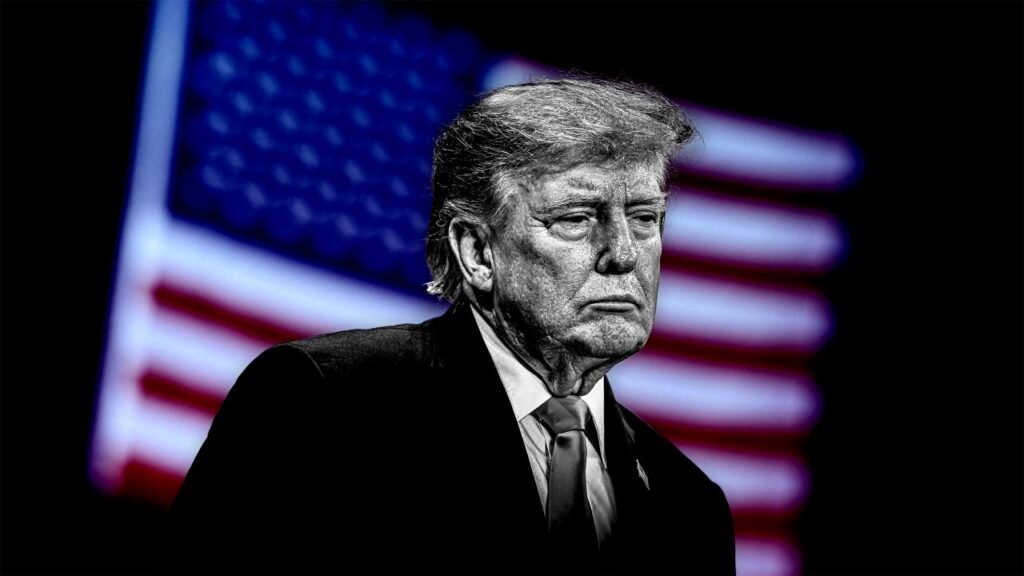
The midterm elections have the potential to upend everything from politics, to business, to the stock market. But the person most impacted by Tuesday’s results could be President Donald Trump and determine the course of his final two years in office.
On the political front, the battle to control Congress remains front and center with a number of seats in play, including 435 in the U.S. House of Representatives and 35 in the U.S. Senate.
At issue, whether Democrats will gain control of the House of Representatives, or, even, the Senate—effectively breaking the Trump administration and Republicans’ stronghold over Congress.
“The midterms matter in general because they determine whether there is alignment between the executive and the legislative branches,” Harvard Business School professor Vincent Pons said in an interview earlier this year. “Oftentimes, voters vote against the party of the president. Some voters have a preference for divided government, to have checks and balances. If the Republican party was to lose the midterms, either the House or both the House and the Senate, it could have dramatic consequences in terms of circumventing the power of [the administration].”
A Democratic upset could check Trump’s power, paving the way for a lame-duck presidency for the remainder of his term. A blue sweep could also give Dems the votes they need to investigate the president’s finances, his administration’s immigration policies, and bring another impeachment.
In Michigan, Democratic Senate nominee, Abdul El-Sayed, told CNN if elected, “the first thing we’re going to do when [the Democrats] win this Senate seat? Hold Trump accountable. Then, onto the real work–taking on big corporations, taxing billionaires their wealth, and guaranteeing healthcare through Medicare for All.”
In New York’s 12th Congressional district, Democrat Micah Lasher wrote a roadmap for Congressional oversight for if, and when, Democrats regain control of the House, which calls for: “Check[ing] the Trump administration’s lawlessness by making clear that illegal activity and corruption will be investigated, and by spurring criminal prosecutions or impeachments; focus[ing] the American public on the illegal and corrupt activity that gets lost in the daily barrage of news and distraction out of the White House; and shap[ing] the narrative of the 2028 elections and help Democrats win back the White House and grow our majority.”
In California, Democratic Rep. Robert Garcia (D-CA) said he plans to look into White House’s immigration policies, and “demand accountability” for ICE’s tactics. The fallout which could even lead to a Republican upset in 2028.
While, House minority leader, Rep. Hakeem Jeffries (D-NY) said in July “when you put us back in charge of the United States House of Representatives, you’ll get a Congress that speaks up for everyday Americans and a Congress that stands up to an out-of-control president.” Jeffries emphasized to beat Republicans, Democrats were focused on healthcare costs, bringing down the high cost of living, and ending the war in Iran.
A divided Congress, with Republicans maintaining their majority in at least one branch, could result in major political gridlock for the remainder of Trump’s term which could have major repercussions for business.
If Republicans can hold onto their seats, that could empower Trump to continue to accelerate his domestic agenda and policies on key issues like defense and AI—with those government-connected sectors seeing continued growth, and banks and cryptocurrencies retaining lighter regulation.