Scout’s Dealer-Free Future
The VW subsidiary is reviving the Scout brand with two rugged EVs, the Terra pickup and Traveler SUV, designed to challenge Ford’s F-150 Lightning and Rivian’s R1T. Both promise genuine truck capability, with up to 500 miles of range thanks to a gas range extender that could finally make electric trucks appealing to traditional truck buyers. All for under $60,000. But dealers are more upset about how Scout plans to sell them directly to customers.
Scout Motors CEO Scott Keogh used his recent Munich motor show appearance to double down on direct sales, making it crystal clear that no amount of dealer pressure will change the company’s mind. “If you look at 21st-century brands and what they’re able to deliver, that’s what they do. We can create the stores, and we can create the brand experience,” Keogh told media at the show. The decision represents a seismic shift in how traditional automakers approach vehicle sales, compared to companies like Tesla, Rivian and Lucid, which have embraced the direct-sales model from launch. Dealers have already filed lawsuits in Florida and California, claiming Scout has violated agreements that don’t exist yet.
Scout Motors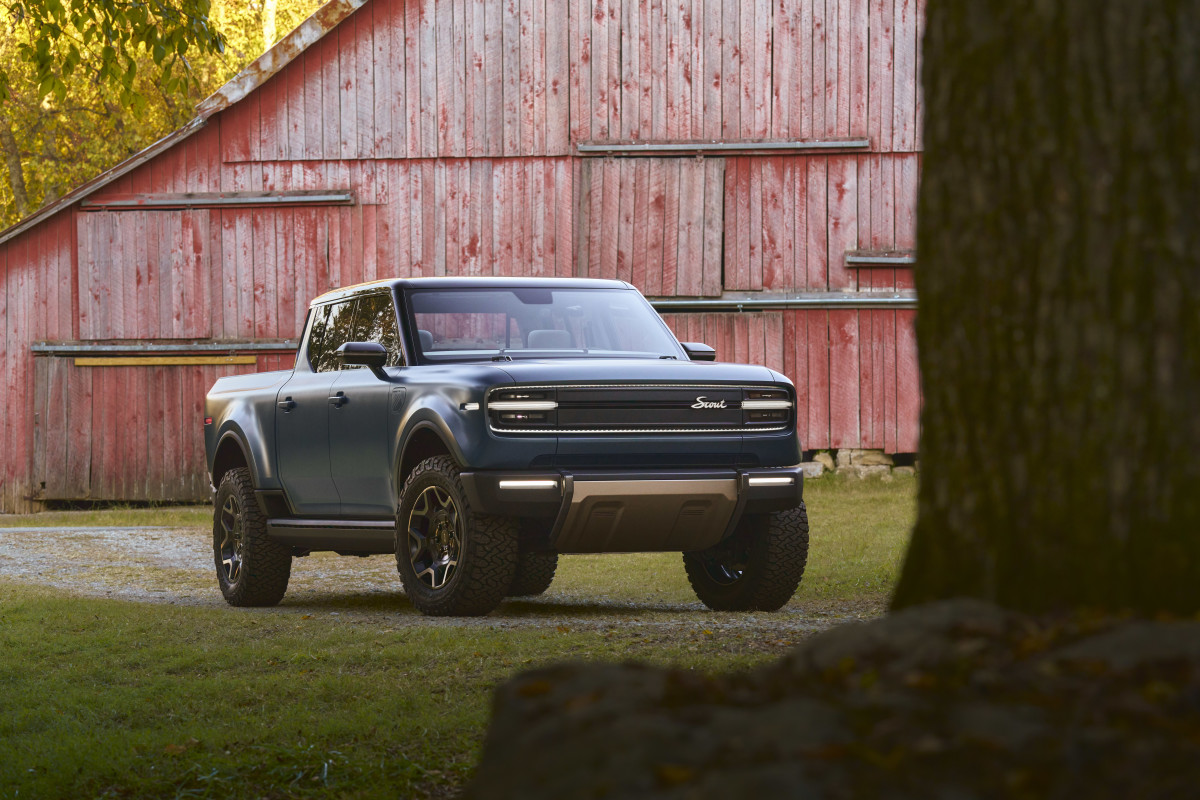
South Carolina Production Takes Shape
The Terra and Traveler are slated to enter production in 2027 at a new factory in Blythewood, South Carolina. Recent construction updates show significant progress on the facility, which features a body shop, a paint shop, and final assembly buildings, plus a state-of-the-art training center and technology center.
The production facility is likely part of Volkswagen’s $10 billion investment deal with the government in exchange for tariff relief. Scout Motors targets late 2027 for start of production, with both vehicles debuting as 2028 models. The lineup includes the Terra truck with over 10,000 pounds of towing capacity and the Traveler SUV with over 7,000 pounds of towing, both offering nearly 2,000 pounds of payload.
Scout Motors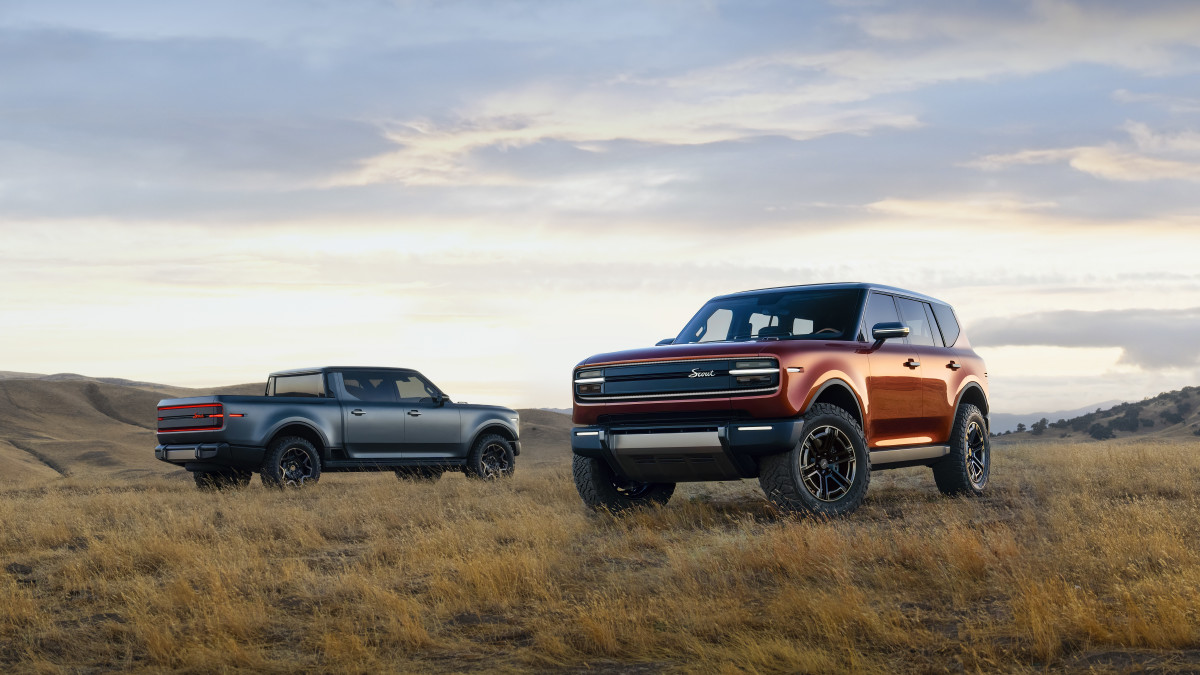
Scout’s Range Extender Revolution
Scout’s Harvester range extender isn’t a plug-in hybrid, it’s a range-extender EV where the gasoline engine purely generates electricity. Pure electric models will offer 350 miles of range, while range-extended versions will provide 500 miles for more traditional buyers concerned about charging infrastructure.
Scout Motors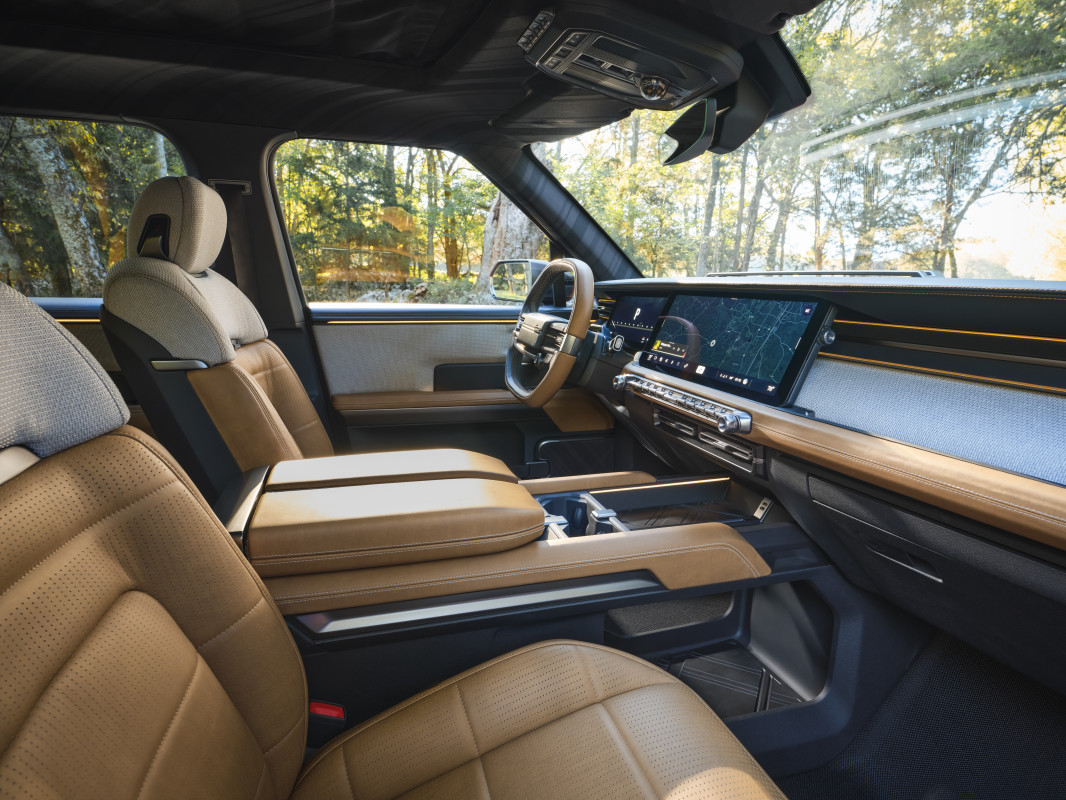
The vehicles use LFP battery cells with a range-extender in Harvester models, versus NMC cells in fully electric versions. With this combination of advanced powertrains and direct sales, Scout is betting it can capture truck buyers frustrated with traditional dealership experiences. That is assuming the courts don’t force them to change course first.