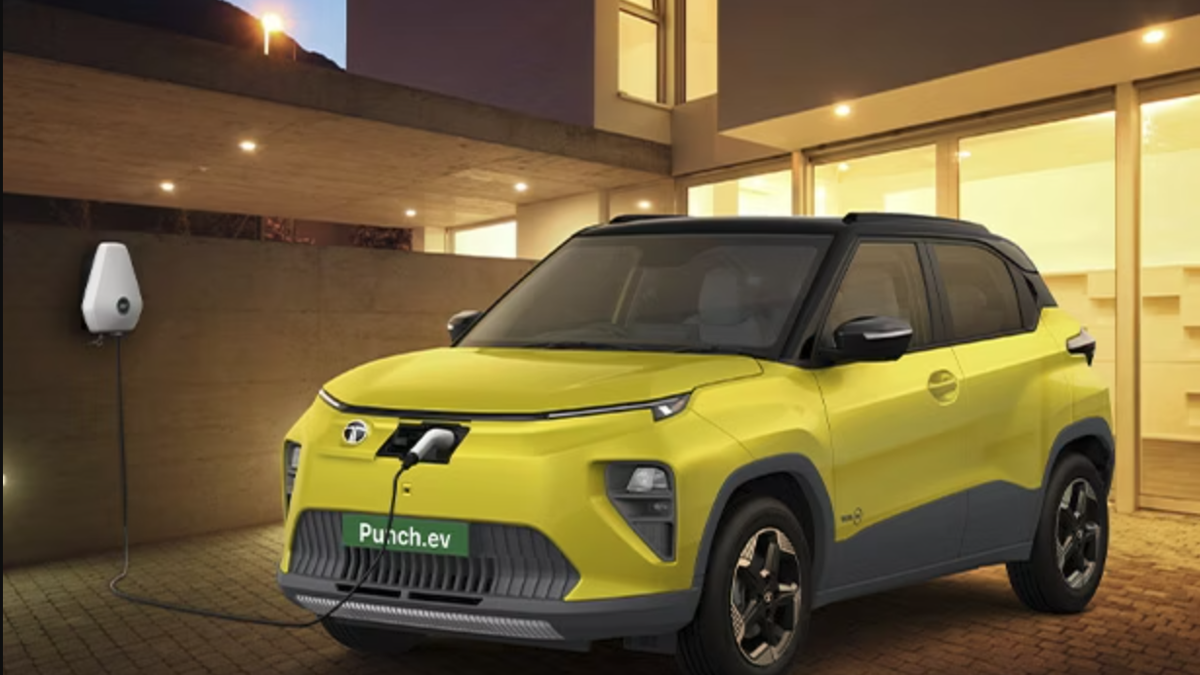
Price War
EVs haven’t necessarily enjoyed the best sales numbers at the beginning of the year; however, with a never-ending fuel price crisis, suddenly people are coming back to them for a second look. Hybrids and EVs are the kings of the global car market now, with most manufacturers reporting electrified vehicle sales having increased as a direct effect of fuel prices.
However, with the first half of the year passing by, hybrids seem to have the edge in terms of sales against EVs. Yet, in other emerging markets outside of the U.S., EV adoption continues to rise, and it’s driving prices lower than hybrids.
BYD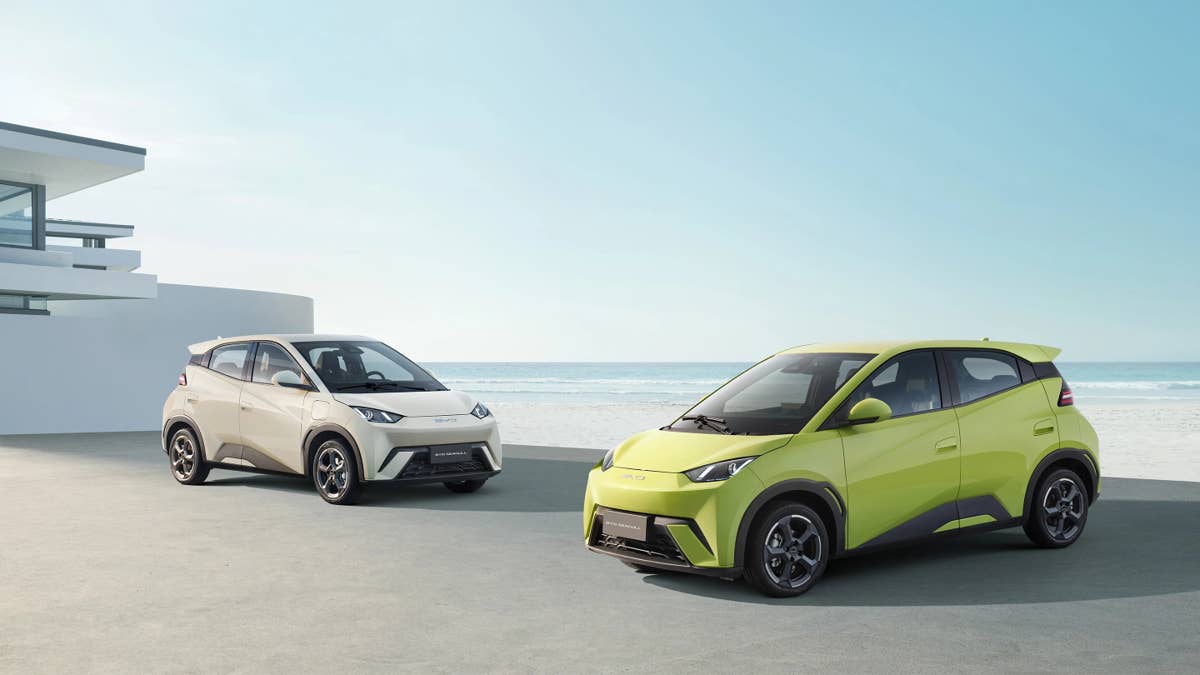
China Number 1
According to a study by analytics firm Mobility Global, the global price average of EVs is now significantly lower than that of hybrids, Nikkei Asia reports. EV prices average around $37,000, which is 9% lower than in 2020, while hybrid average prices rose 16% over that time period to an average of $39,000. These figures were computed by accounting for sticker prices without subsidies and also based on sales volume.
There are a few key factors that have helped EVs become more affordable, like the emergence of cheaper battery technology, plus the rapid growth of China’s EV manufacturing capabilities. Looking at the numbers, prices for lithium-ion, a key component of EV batteries, have dropped 37% between 2020 and 2025. Most EV makers have also moved away from using cobalt in batteries, opting for lithium-iron phosphate (LFP) instead, which has improved over time through development.
Overseas expansion has also played a huge part, with Chinese brands like BYD able to build all components of their EVs and ship them to Southeast Asia, where the brand is penetrating the region at a steady pace. In that region, Chinese EVs cost lower or at par with hybrids, giving buyers an option of going full EV. BYD and other manufacturers have even begun to set up manufacturing facilities in the region, which will continue to drive prices lower.
Shell
Rethinking Strategy
The biggest disruption comes at the more mass market side of the business; the legacy Japanese brands have been forced to rethink their strategies to stay competitive in a vital region. Toyota, the biggest skeptic for EVs, has pushed for a multi-pathway approach offering BEVs alongside the brand’s more established HEVs. Nissan has stepped it up even further by beginning to export Chinese-made EVs to other markets.
Forecasts point towards high sales for electrified mobility in 2026; the International Energy Agency expects EVs and plug-in hybrids to account for 30% of all car sales this year.
Tata