The Current Situation
Automakers like Volkswagen recently released their Q3 2026 U.S. sales reports, and the numbers clearly reflect the decline in EV demand. This downward trend has continued since the expiration of the $7,500 federal EV tax credit in September 2025, with more American buyers turning to hybrids instead.
At the same time, a study from iSeeCars projects that 2026 will have the slowest EV charger growth rate since 2011, at just 15.5%, following more than a decade when annual growth mostly exceeded 30%. That means the total number of chargers is projected to increase from 259,555 in 2025 to 299,798 in 2026. The EV situation in the U.S. looks uncertain, especially now that the Trump administration has rolled back EV-friendly policies.
But thanks to this study, prospective EV buyers and owners can see which metro areas are the most and least EV-friendly in terms of charging access. It can help them gauge how accessible public charging is in their area and whether owning an EV would be practical.
Tesla
The Power Rankings
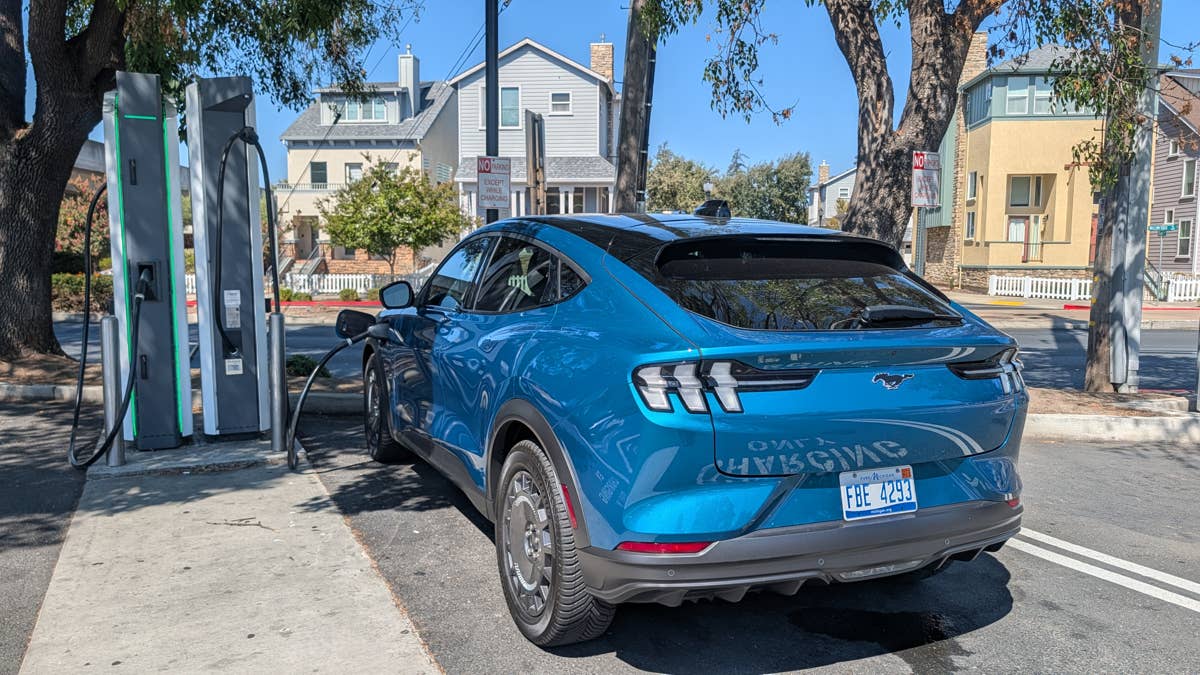
Los Angeles (CA) leads the list with the most EV chargers at 36,318, which iSeeCars Executive Analyst Karl Brauer partly attributes to California’s “EV-friendly weather and tech-oriented communities.” San Francisco-Oakland-San Jose (CA) ranks second with 22,430 chargers, followed by New York (NY) with 19,036, Boston (MA)-Manchester (NH) with 12,017, and Denver (CO) with 8,300.
On the other hand, the metro area with the fewest EV chargers is Louisville (KY), at just 621. Next is Greensboro-Winston-Salem (NC) with 700 chargers, followed by Milwaukee (WI) with 852, Birmingham (AL) with 857, and Oklahoma City (OK) with 867.
But if population is factored in, the rankings become slightly different. San Francisco-Oakland-San Jose (CA) leads the list with just 334 residents per charger, followed by San Diego (CA) at 432. Los Angeles (CA) may have the most chargers, but it only ranks third in this category with 500 residents per charger, ahead of Denver (CO) at 569 and Boston (MA)-Manchester (NH) at 571.
Louisville (KY) is also the worst-ranking metro area in this category, with 2,904 residents per charger, followed by Indianapolis (IN) with 2,758, Milwaukee (WI) with 2,716, Greensboro-Winston-Salem (NC) with 2,669, and San Antonio (TX) with 2,666.
Kristen Brown
Steady Charge
The study also projects that the ratio of residents per charger will improve by 13.2%, from 1,317 in 2025 to 1,143 in 2026. That means charging infrastructure is still becoming more plentiful relative to the U.S. population, even as the rate of network expansion slows. These figures were obtained by analyzing Level 2 and Level 3/DC fast charger counts using data from the U.S. Department of Energy’s Alternative Fuels Data Center.
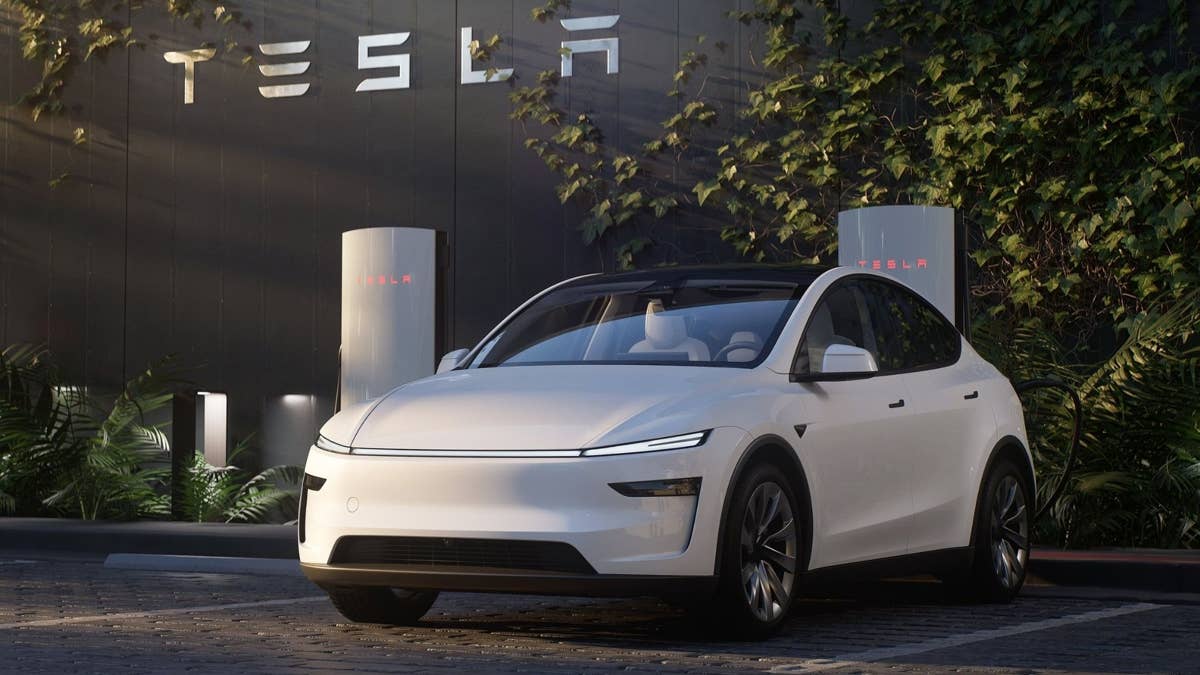
Aside from charging infrastructure, it is worth noting that some states continue to offer EV incentives. For instance, California’s MyFirstEV program provides a $3,500 rebate for eligible first-time buyers of new zero-emission vehicles through participating automakers. Tesla was among them, but its allocated funds were exhausted in just five days.
Jared Levenson/Autoblog