- Modern OTA systems improve security as often as they introduce new risks.
- Remote vehicle hijacking remains significantly harder than many headlines suggest.
- Fleet disruption and data theft pose more realistic cybersecurity threats.
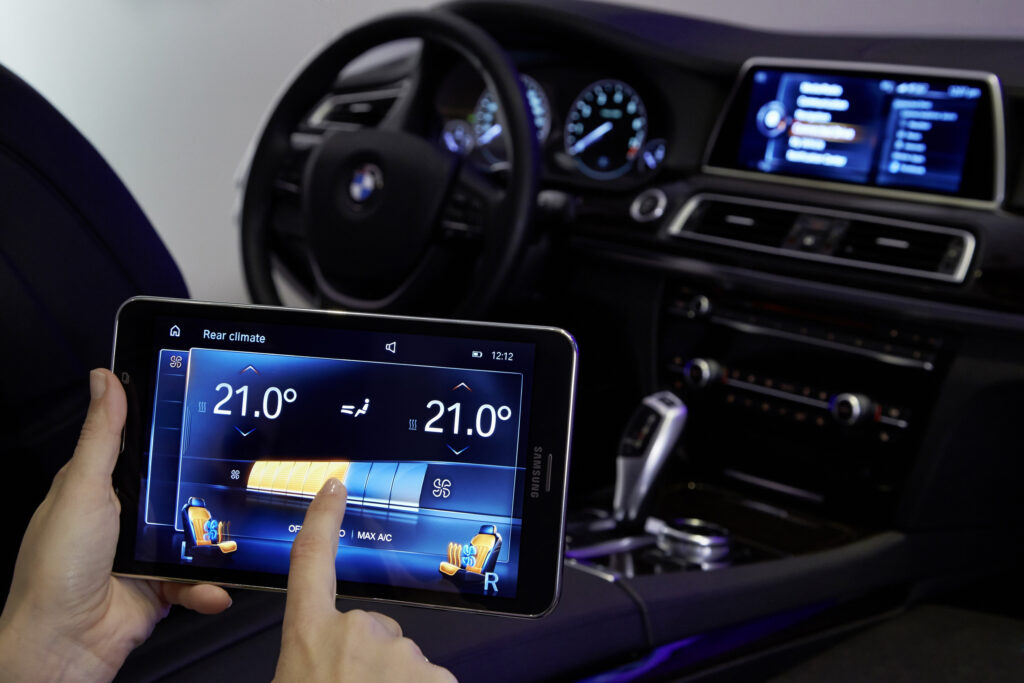
Over-the-air (OTA) updates for cars are often lauded as a sign of the future, yet plenty of people worry they are creating a new safety concern of their own. Practically all new cars sold today are connected to the internet, and cybersecurity experts don’t love that. What happens if bad actors compromise those systems? It’s a good question, but for now, the answer is considerably more nuanced than “hackers could take over your car while you’re driving.”
More: Panic In Russia As Hundreds Of Porsches Mysteriously Shut Down
The technology has become one of the industry’s largest shifts over the last decade. Once largely a Tesla calling card, it lets manufacturers squash bugs, sharpen features, and pile on new functions without anyone setting foot in a dealership. It also hands automakers a fast way to patch security holes, which matters more than the convenience does.
Where The Real Risk Lives
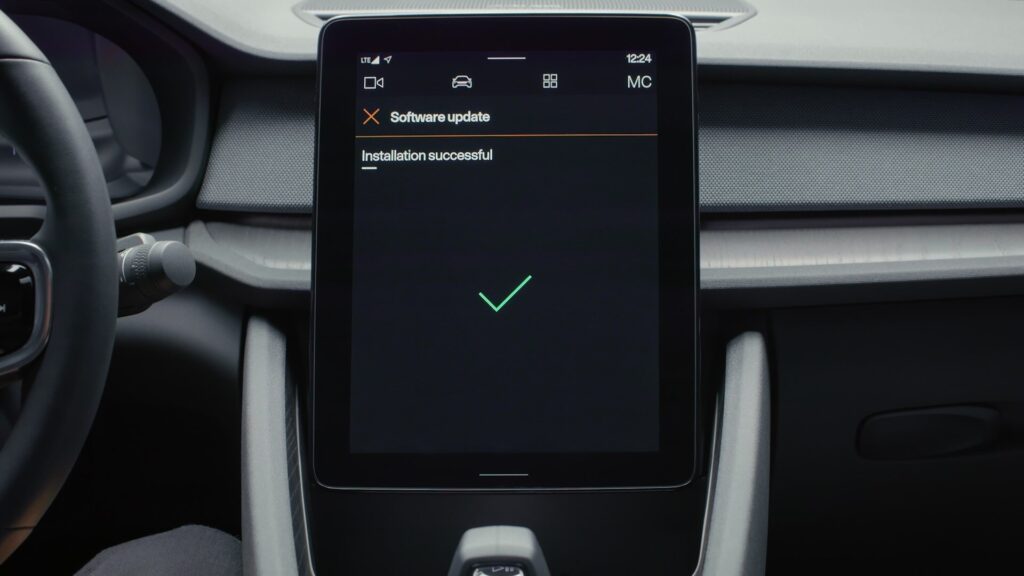
A new report from CNBC largely focuses on those potential vulnerabilities. After all, it’s technically possible that connected vehicles could become targets for hackers or even hostile governments. One Norwegian investigation into Chinese-built electric buses found that manufacturers retained remote access to certain vehicle systems through a cellular connection, prompting further reviews in the UK and Denmark.
Security analysts have also warned that internet-connected vehicles represent an increasingly attractive target for espionage and large-scale cyberattacks. Those concerns deserve attention, but they’re also easy to misunderstand.
Hollywood Vs Reality
The image plenty of us have when thinking of a hacker and a modern car is pretty worrying. A person with bad intentions sits behind a computer, gains access to your car, and steers it into a ditch or a wall or something. Modern vehicles simply aren’t designed that way. Sure, they’re connected to the internet, and they’re full of ECUs that help control everything from steering to braking to acceleration. But there are several reasons a hacker isn’t about to take over.
That doesn’t make connected cars impossible to compromise. It simply means an attacker would likely need to defeat multiple layers of security before reaching safety-critical systems. Even then, if that were to happen, it’s unlikely that a hacker could manipulate a car the way a real driver can. The actual danger here is scale and inoperability.
The Bigger Threat Is A Kill Switch
The Norwegian investigation mentioned above demonstrates this perfectly. Authorities weren’t worried that a Chinese business or governmental agency would take over control of the buses and drive them around. It was concerned that a foreign actor could shut them down at will. Imagine police cars or public buses that suddenly refuse to start, delivery fleets rendered inoperable, electric vehicles unable to charge, or critical vehicle data quietly siphoned from millions of connected cars.
Attacks like that could wreak economic havoc without anyone ever grabbing the wheel of a moving vehicle. The saving grace is that the same OTA pipeline used to break in is also how automakers slam the door shut, pushing fixes to millions of cars overnight. The catch is that this is an arms race with no finish line. Every new connected feature is another door to guard, and the automakers only have to leave one unlocked.