These three EVs show that buyers still reward the right product
EV sales in the United States slid sharply in the first half of 2026. Across the industry, sales of all electric vehicles declined by 23.7%. Looked at in terms of volume, Americans bought 144,680 fewer EVs this year versus the same period last year.
While the vast majority of EV models sold fewer units than in 2025, there have been some bright spots. Three EVs in particular have achieved remarkable growth in 2026, going against industry trends. We only considered EVs that were on sale throughout 2025 and 2026, as this provides a more meaningful assessment of growth. We’ve also excluded very low-volume EVs, such as the Mercedes E-Sprinter, as their sales volumes are not high enough to merit consideration.
Based on Cox Automotive’s EV sales report, these vehicles saw the most significant year-on-year growth this year so far.
Related: The 5 Best-Selling EVs of 2026
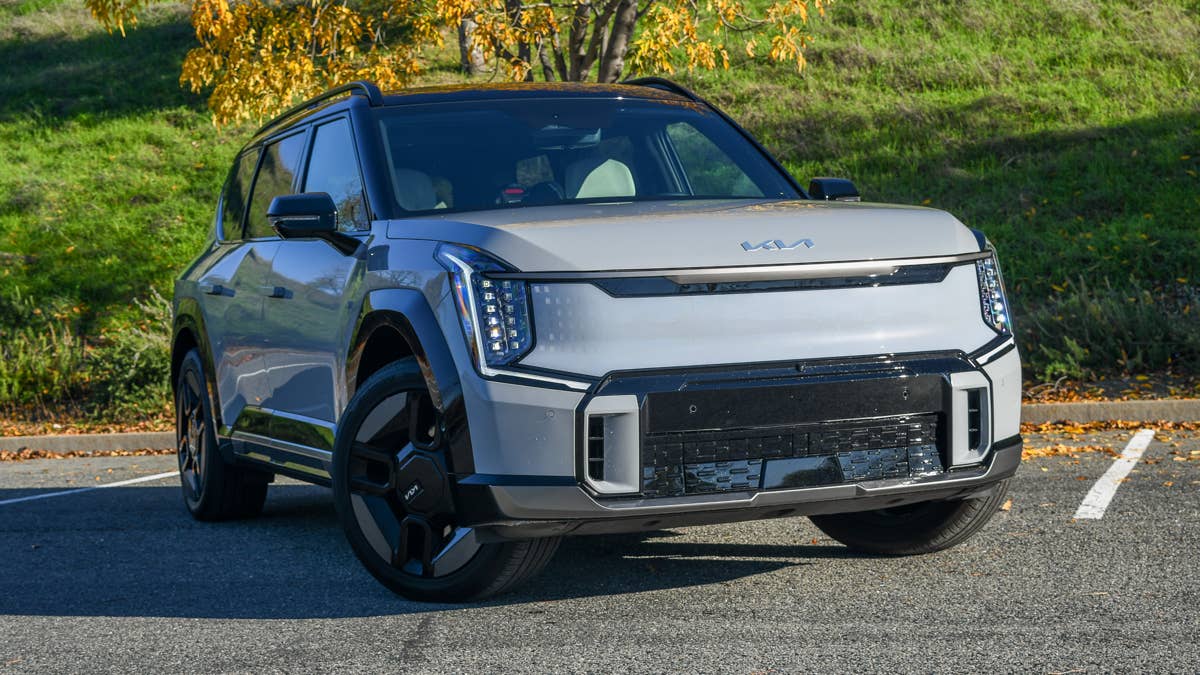
Kia EV9 (+42.5%)
Kristen Brown/Autoblog
The Kia EV9 was one of the first three-row electric SUVs to go on sale in 2023, and its sales have increased by a healthy 42.9% in 2026 with 7,035 units sold. The related Hyundai Ioniq 9’s sales are up by an even greater percentage in 2026 (+379%), but that’s only because it went on sale several months into 2025, so H1 2025 sales of the Hyundai were minimal.
Kia didn’t significantly update the EV9 for 2026. It received a new NACS charging port and a Nightfall Edition trim. The automaker even canceled the planned launch of the EV9 GT, a high-performance version of the SUV.
It’s likely that buyers slowly warmed to the idea of buying a larger, family-friendly EV. The EV9 has a range of up to 305 miles and is available with a potent 422-horsepower powertrain. It’s comfortable, quiet, practical, and looks fantastic.
Toyota bZ (+89.8%)
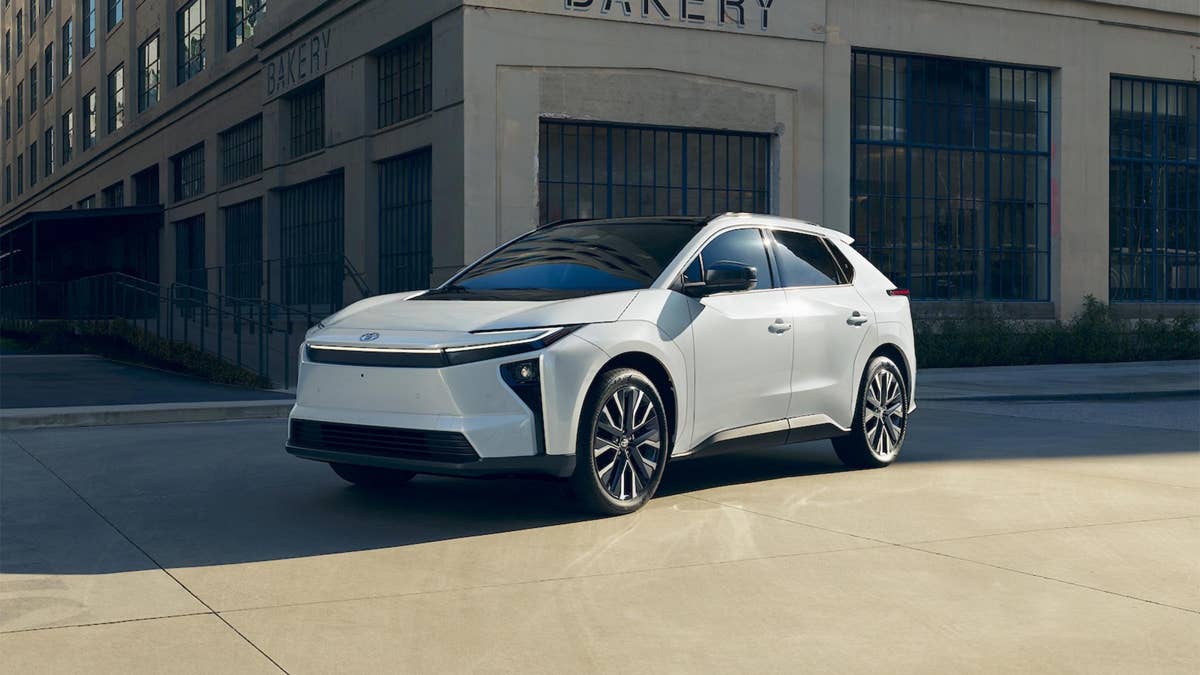
Toyota
In the first half of 2026, Toyota sold 17,553 bZ crossovers, an increase of almost 90%. For a vehicle that had a lukewarm reception when it was first launched as the bZ4X, this is a tremendous turnaround. Toyota made some meaningful changes to the 2026 bZ that undoubtedly contributed to its growth this year:
- Larger battery boosted the maximum range from 252 to 314 miles
- AWD models got a power bump from 215 to 338 horsepower
- NACS port enabled Tesla Supercharger compatibility
- Base pricing decreased to $34,900
In one go, Toyota addressed every major criticism of the original bZ4X. It’s now a far more competitive EV but still offers the peace of mind of owning a Toyota. Buyers have responded and the bZ now outsells rivals like the Ford Mustang Mach-E.
Related: Is the 2026 Toyota bZ an Improvement Over the Older BZ4X? This is My Honest Review
Lexus RZ (+106.8%)
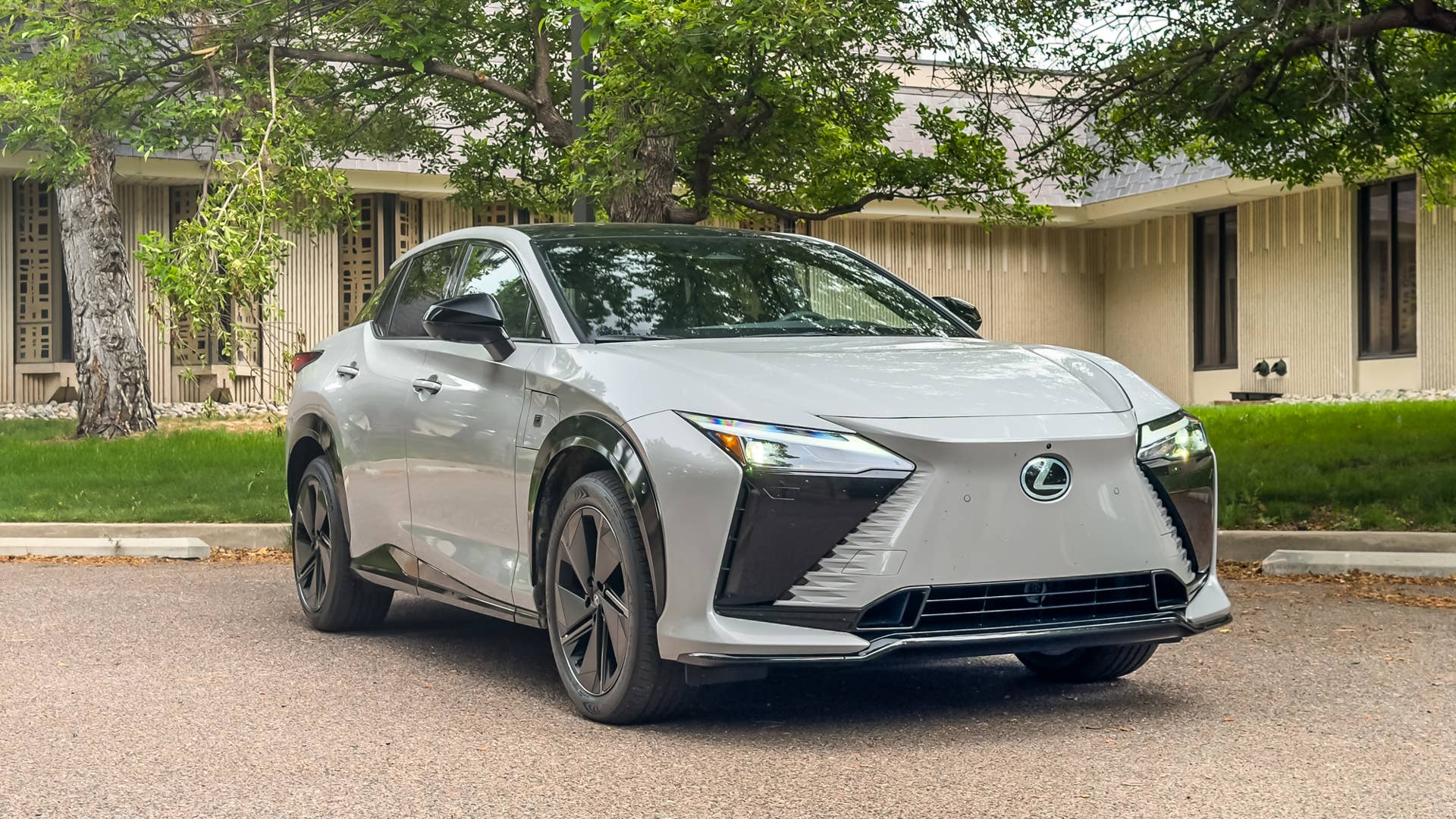
Chase Bierenkoven
Another EV from the Toyota stable grabs takes the top spot on this list. Lexus sold 7,814 RZs so far this year, up substantially from 3,779 over the same period last year. Like the bZ, the Lexus RZ disappointed us when it first arrived on the market. It was as classy and refined as an RX, but poor range/charging specifications and a high base price made it difficult to recommend. For the 2026 model year, Lexus introduced the following upgrades:
- Maximum range increased from 266 to 301 miles
- New 402-hp variant
- New NACS charging port
- Faster charging
- New, more powerful base trim
With a better range and improved charging, we can appreciate everything else that’s good about the RZ, from its high-end cabin to the quiet ride. It’s now become one of America’s best-selling luxury EVs, surpassing the Cadillac Lyriq in the process.
Related: I Drove The New Lexus RZ, And I Have Mixed Feelings
Final Thoughts
2026 Lexus RZ 350e Lexus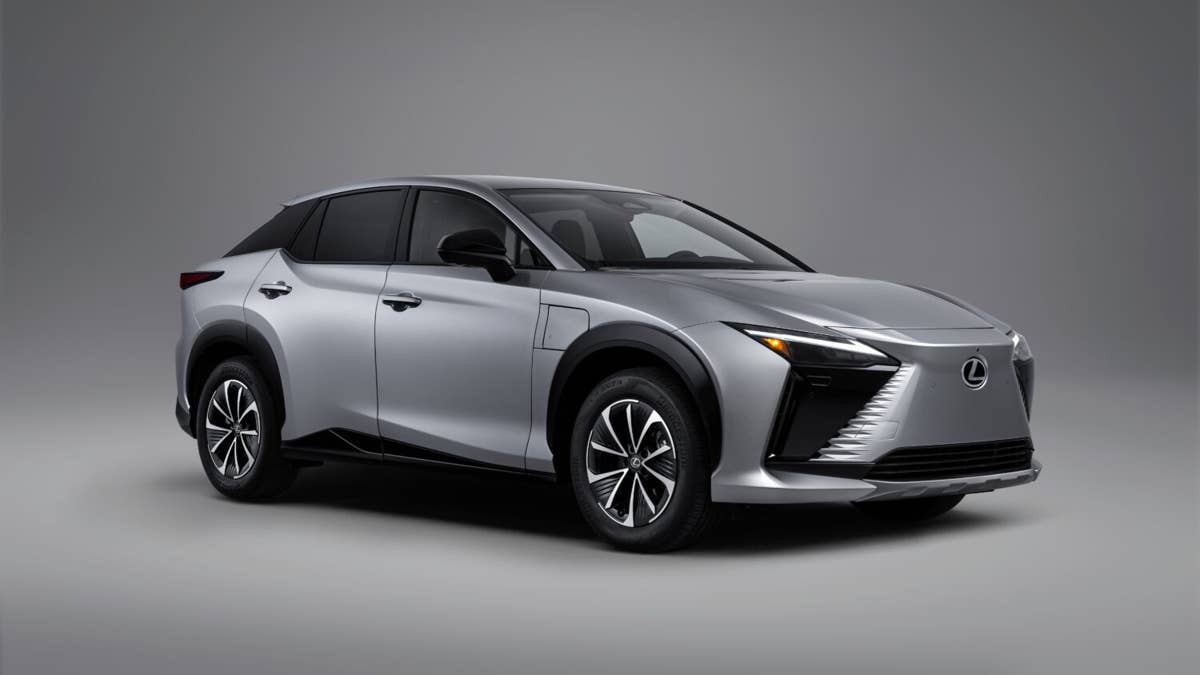
Tesla still outsells its rivals, but it’s no longer dominating growth in the EV space. Toyota has shown that quickly addressing charging and performance shortcomings can make all the difference, as sales of the Lexus RZ and Toyota bZ have surged since their 2026 updates. The Kia EV9, meanwhile, is behind only the Rivian R1S as the best-selling dedicated three-row EV in America.
While most other EVs have slumped this year, these three vehicles have gone in the opposite direction. Interestingly, all three are mainstream vehicles from brands Americans already trust. Kia, Toyota, and Lexus have large dealer networks and have established credibility long before launching their first EVs. That could be a key to why these three models have surged on the sales charts in 2026.
Related: Toyota’s EV Sales Just Jumped 136% In America