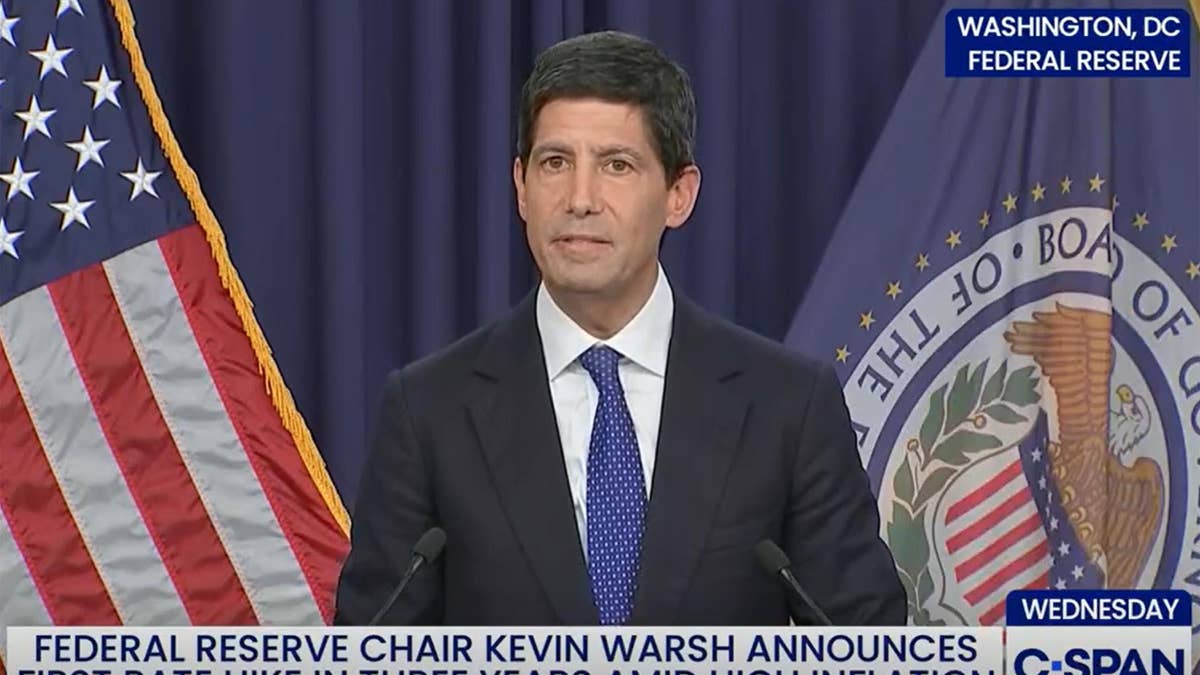
It might be only a quarter point but the Federal Reserve raised interest rates this week for the first time since 2023, and the hike is likely to hit car buyers in the pocketbook at a time when affordability is becoming a bigger issue than ever.
The move, which brings the benchmark interest rate to 4.00%, is expected to translate into an increase in what buyers can expect with new car loans. But it will also raise borrowing costs for automakers and that could translate into still more inflation at the showroom where vehicle prices have reached new records.
Add the higher cost of gas motorists are paying due to disruptions in petroleum supplies caused by the Iran War and analysts warn millions of potential buyers may be forced out of the new vehicle market.
Mounting Misery
To be clear, the president doesn’t set federal interest rates, though he clearly thought he would have a strong say in the matter when appointing Kevin Warsh to be the new Federal Reserve Chairman. Warsh soon began signaling more independence than Trump apparently anticipated, however. That led the president earlier this month to warn he might respond to any rate hike by cutting trade with countries where the U.S. runs a trade deficit.
Whether Trump will follow through is far from certain, but what’s clear is that his policies are seen as having an increasingly negative impact on the auto industry. As with interest rates, he can’t be blamed for all of the industry’s problems. In the decade before he took office for a second term the car market was hammered by inflation, average transaction prices – factoring in MSRPs, options and discounts – jumped from $33,993 in January 2015 to $48,641 when Trump was sworn in. But since then, Kelley Blue Book reports, ATPs have surged to $50,089 and are expected to keep climbing.
“I can’t say the sky is falling but the pressures on affordability are not easing up,” said Stephanie Brinley, associate director at Mobility Global, when asked about the Fed rate hike.
Auto Loans on the Line
Even before the new Fed rate hike automotive interest rates stood at a challenging 6.35% APR for new vehicles, up from a low of 4.1% in 2015. (Used vehicle customers could expect a rate of 11.26% — if they had good credit.) The typical new vehicle buyer is now saddled with financing of $43,920, reports Experian, that debt stretched out over an average 60 months. The average monthly car loan is $748, said Experian, though 20.3% of customers now pay over $1,000 a month. And fully 23.9% of new vehicle loans now are stretched out for 96 months or more.
Expect to see all those figures increase – perhaps substantially – in the very near future. “Auto loan rates tend to track the 10-year Treasury notes and longer-term market rates, and those have been moving higher lately,” Jeremy Robb, chief economist at Cox Automotive, wrote in a recent report. The Fed rate hike is about to provide even more upward momentum, however, Robb warning in a report that buyers could soon see the average loan bill rise by $6 a month. And that doesn’t factor in further increases in the actual vehicle price.
Pain at the Pump
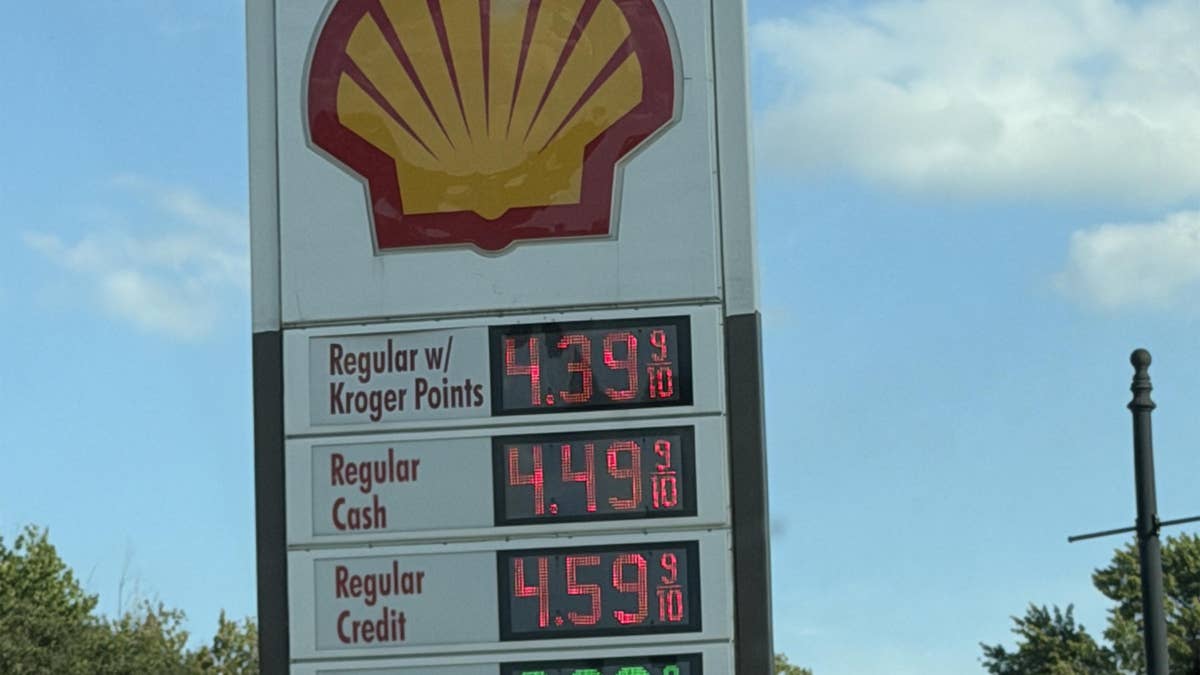
Despite his protestations and his attempts, yet again, to pass the blame to former Pres. Joe Biden, one thing Trump is unambiguously responsible for is the surge in fuel prices. According to GasBuddy.com, the national average cost for a gallon of self-service regular stood at $2.88 a gallon on February 27, 2026, the day before the bombs started falling on Tehran. The service on Thursday morning showed it climbing to $4.444, up 15.2 cents in just one week.
If there’s any good news it’s the fact that self-service regular still has a way to go before matching the $5.0165 per gallon all-time high set on June 14, 2022. Not so with diesel which hit a new record on September 4, at $5,82 a gallon. And it’s been rising fast ever since. On Thursday morning it stood at $6.3956. While most Americans might feel the impact of rising gas prices directly, the surge in diesel can be measured indirectly – but just about everywhere, including the supermarket. Diesel moves 76% of American freight, whether by truck, rail, ship or barge, according to federal data. And fuel makes up anywhere from 15% to 30% of the cost of the food we eat, reports the Independent Grocers Alliance, covering farming, processing, transport and refrigeration. That’s about to go much higher.
Trump has proclaimed rising gas prices a “very inexpensive price to pay” for national security. But a study by research firm Upside finds American consumers cutting back on groceries to pay for fuel. “More than a third of shoppers stopped buying ‘extra’ items like snacks and specialty foods, and a similar share switched from name brands to store brands,” Thomas Weinandy, principal research economist with Upside wrote in a study for website GroceryDive.com. This past week, Trump suggested fuel prices will “come tumbling down” after the midterm elections. But few experts buy that, especially with no end in sight with the Iran War. In fact, with Yemen’s rebel Houthis attacking the Saudi Arabian oil infrastructure, further reducing global petroleum supplies, the fear is that shortage-fueled price hikes will continue into 2027.
Chip Somodevilla/Getty Images
Buyers Aren’t the Only Ones Stretching Their Budgets
Automakers are also facing financial challenges right now. The increase in the Fed’s prime interest rate will hit hard in an industry borrowing billions for long-term investments, as well as day-to-day operations. So will rising fuel costs. And that’s on top of the hit manufacturers have suffered due to Trump tariffs on auto imports. There’s also new duties of up to 50% on the metals the industry relies heavily on. About 60% of the aluminum and 30% of the steel used by automakers based in the U.S. come from foreign sources and are subject to Section 232 tariffs.
The president – aided by Congress – has taken some steps to ease financial pressures on the auto industry. Among other things, they no longer have to shell out for missing federal mileage standards. But consider Stellantis: where it saved on $590 million on such fines, it subsequently wrote down $26.5 billion due to the administration’s new policies on EVs.
Well aware that rising prices are pushing millions of Americans out of the new vehicle market, automakers have tried to absorb all these added costs, at least where possible. But that’s becoming more difficult, especially with new tariffs coming on Canada and other trade partners. So, next time you think about buying a more fuel-efficient vehicle as you pump ever more costly gas be aware that you’ll likely be paying more at the dealership next time, while signing up for an even more costly loan.