Reversing The JDM Process
Three letters: JDM, it used to mean something special. It represented the holy grail for car enthusiasts around the world who couldn’t get their hands on them. Some of the most iconic cars immortalized in pop culture were reserved purely for the Japanese Domestic Market. For years, everything from supercar-beaters like the Honda NSX to quirky kei cars like the Honda S660 left everyone counting the days till these cars were legal to import into America.
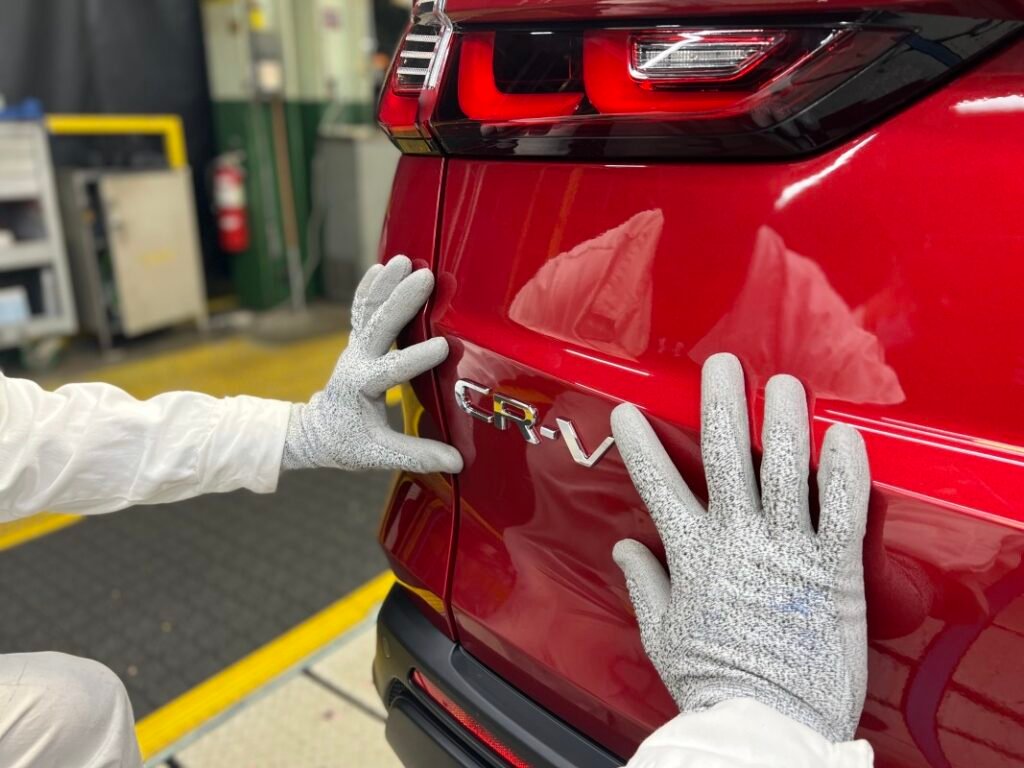
Over the years, Honda has quietly flipped the script. For example, the new CR-V e:HEV hybrid that just launched in Japan actually rolled off a production line in Thailand. It joins the hydrogen-powered CR-V e:FCEV, imported from Ohio. Including the CR-V, Honda now imports roughly a third of its Japanese market lineup from overseas factories.
Honda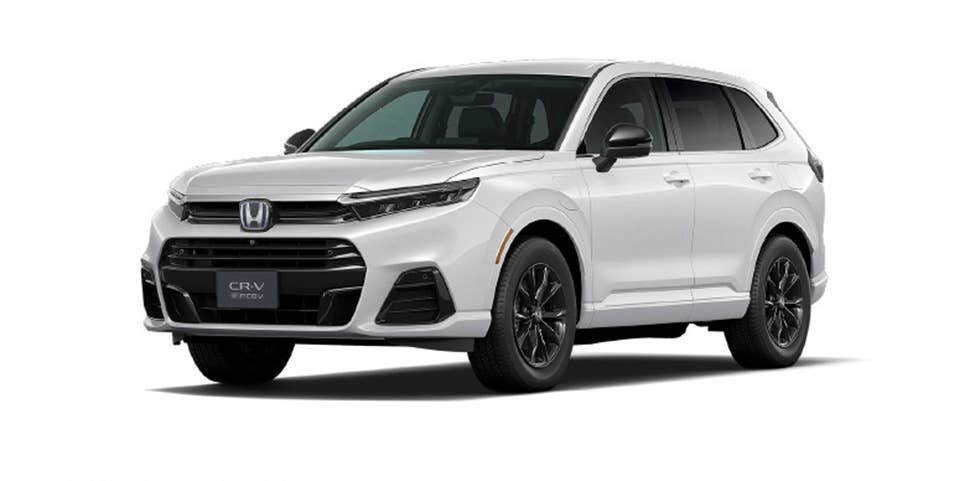
Which of Honda’s Japan Lineup Are Imports?
It took three years after the sixth-gen CR-V’s global reveal in 2022 for Japanese buyers to be able to choose between two powertrain versions, just as the nameplate turns 30 incidently. That itself is telling of the model’s importance in Honda’s home market. Like we said, neither is made domestically. Of the imported Hondas, the Accord is imported from Thailand, the Odyssey from China, and the compact WR-V from India.
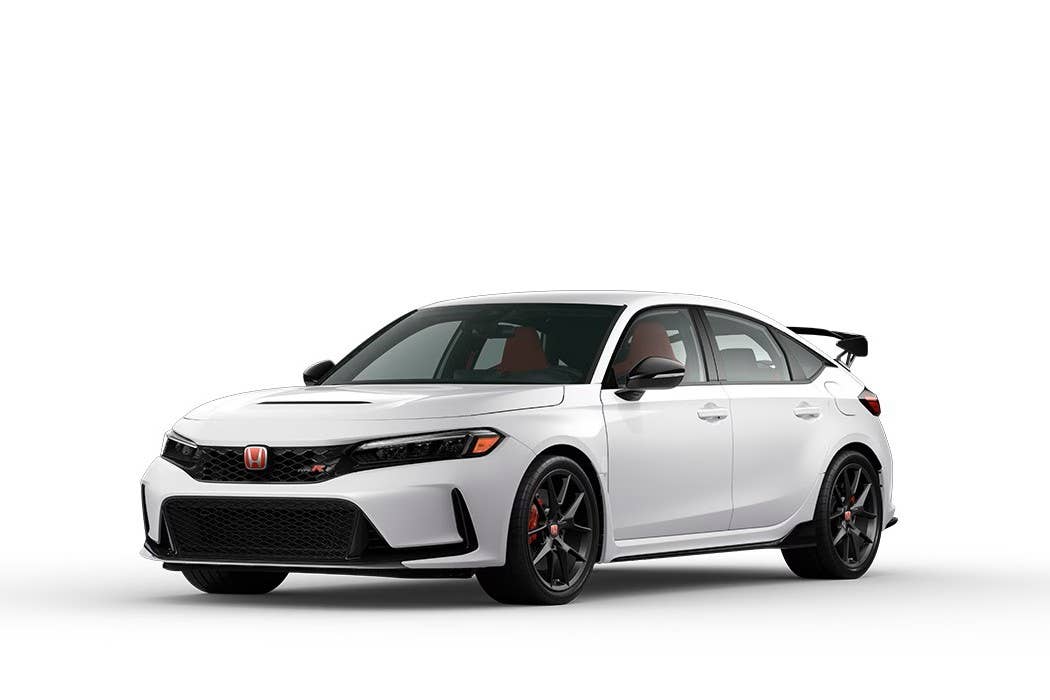
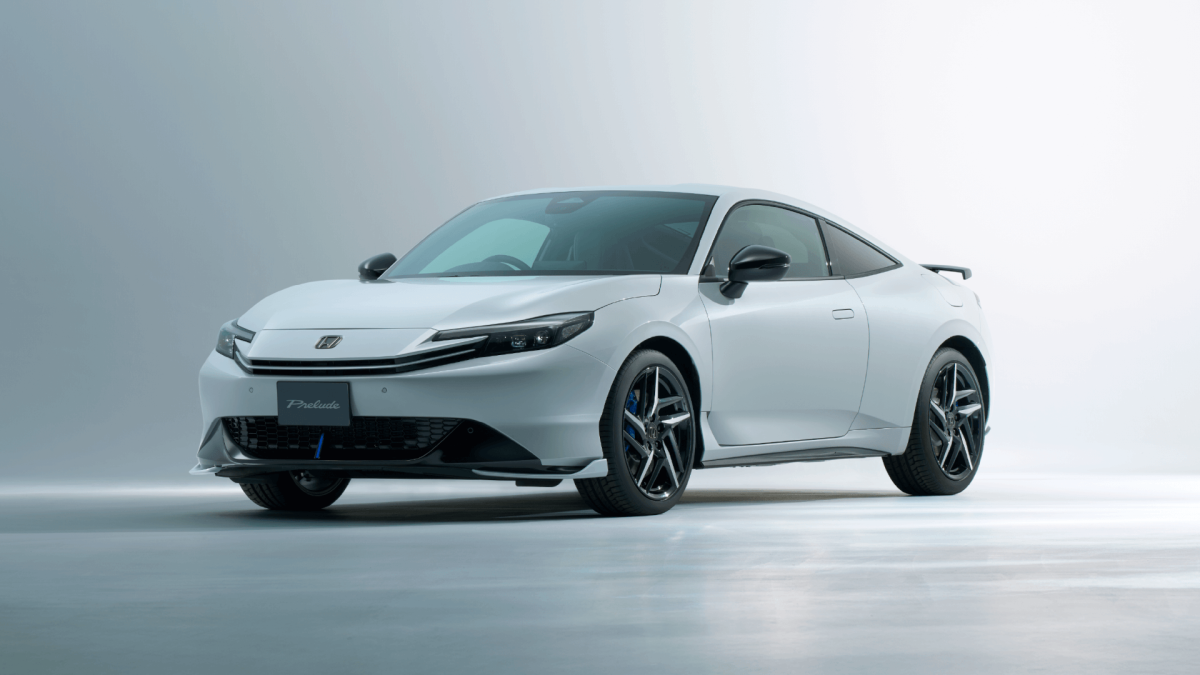
Of Honda’s 19 passenger vehicles sold in Japan, six are kei cars that remain domestically produced, which makes sense considering the kei class exists purely to satisfy local regulations. The remaining 13 cars are split between Japanese and imported production, with four models now arriving from overseas factories. Honda models like the Fit, Step Wgn, Freed, Vezel, ZR-V, Civic (including the Type R), and new Prelude are still made in Japan.
Not Made In Japan, But The Same Quality
Honda’s manufacturing map reflects business logic, and thankfully, not a drop in quality. Building vehicles near major production hubs and growth markets simply costs less. Thailand has been Southeast Asia’s automotive manufacturing base for decades. China offers massive scale. India provides access to emerging markets. Shipping finished cars to Japan proves cheaper than maintaining excess domestic capacity for models with moderate home market demand.
These imported Hondas maintain the fit, finish, and reliability that Honda built its reputation on. They’re engineered to the same standards and meet the same stringent requirements. The only difference is the factory address on the build sheet. Maybe it’s time for a new acronym: Japanese Delivered Models?