
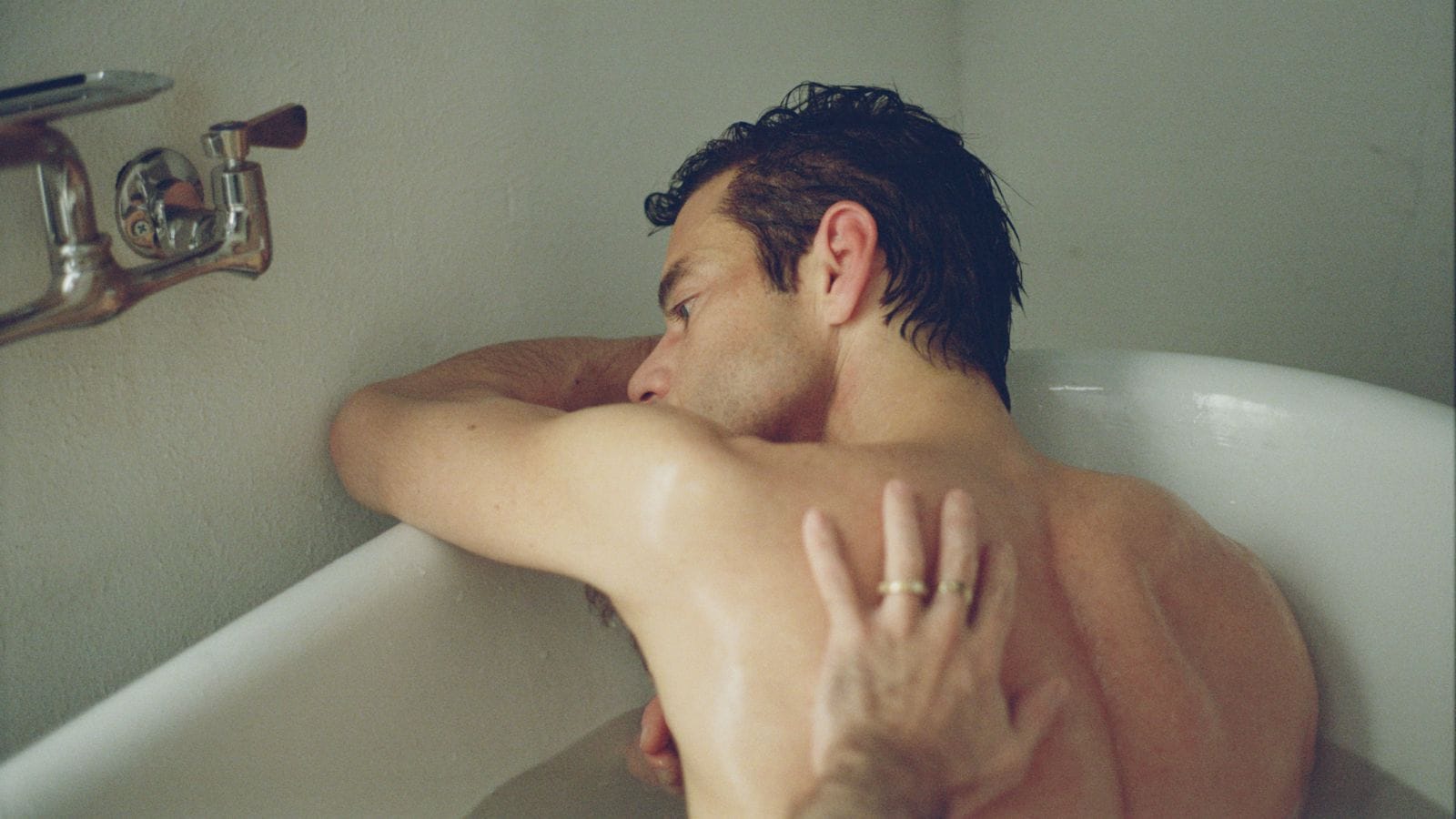
In a scene that might be this century’s most faithful depiction of 1980s bohemian New York, a ragtag ensemble crowds around a cluttered dining room table. A mishmash of stemware gleams below the revelers, each importuned to perform a few bars of a song. One self-consciously croons “Someone’s in the Kitchen with Dinah,” another vibratos a Jehovah’s Witness spiritual, while yet another gamely stumbles through the verses of “How Are Things in Glocca Morra?” from Finian’s Rainbow (1968). As gloriously languid as it is insistently idiosyncratic, the tableau readily summons nostalgia for those who remember and those who do not alike. There are no screens; there are no smartphones. There are instead people singing — shyly, joyfully — as though sharing the secret to the universe.
And they are singing, knowing full well that some in the room might not last the year.
A cinematic elegy that urges you to live, Ira Sachs’s The Man I Love is an AIDS movie that isn’t — a movie set in the thick of the pandemic that not only never mentions the illness by name, but entirely dodges the genre’s clichés: no lesion reveal, no tidy redemption, no funeral filled with festive friends. Instead, the film enjoins us to embrace the vitality of the era so as to more potently suffer its imminent loss.
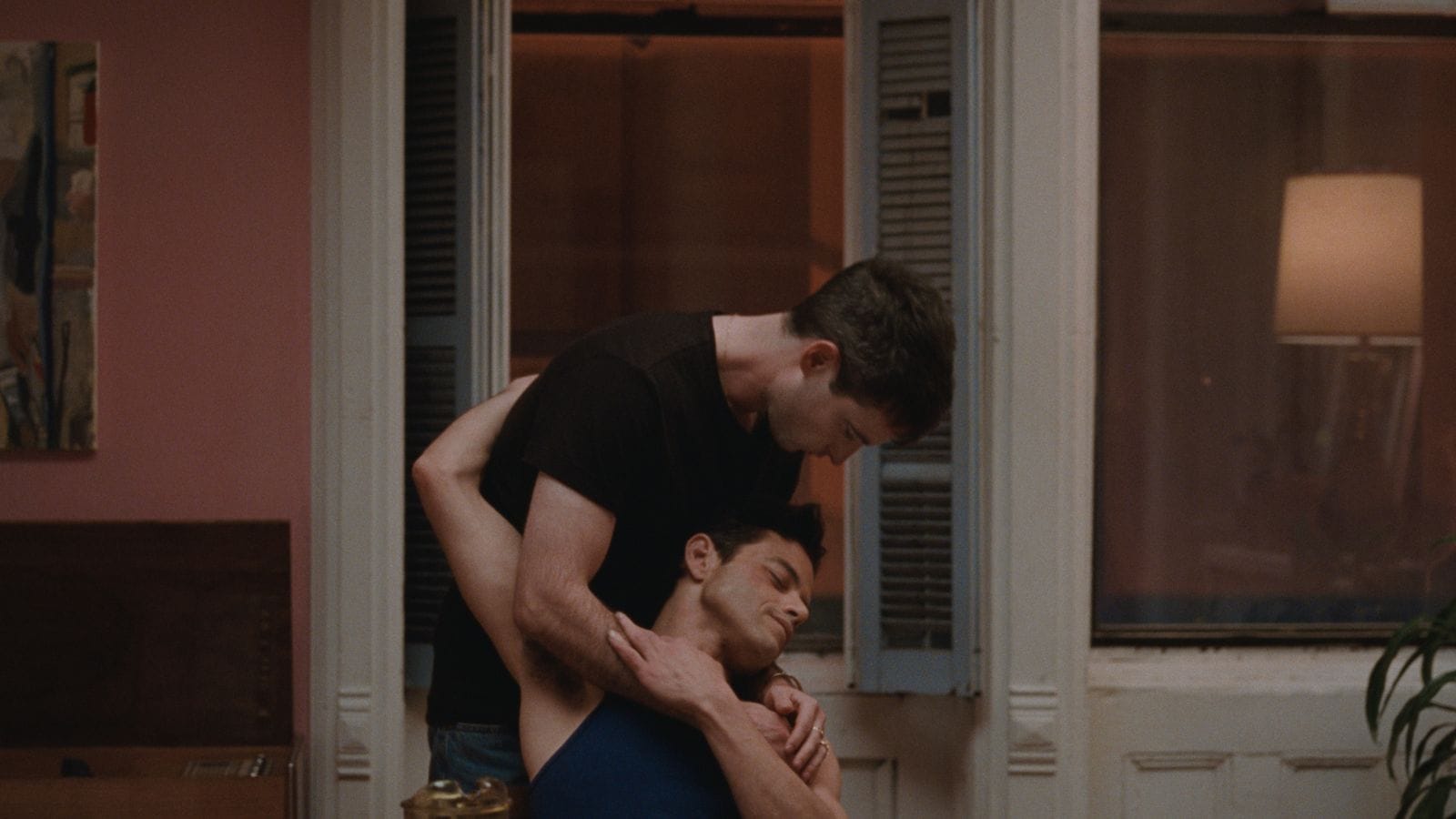
The Man I Love follows “theatre artist” Jimmy George (Rami Malek), a veteran of a downtown performance troupe, as he co-writes a new production and becomes enamored of a young Englishman named Vincent (Luther Ford) who moves into the downstairs unit of their weathered prewar building. Jimmy’s partner Dennis (Tom Sturridge) tolerates the burgeoning affair, but is duly irked by Vincent’s awkward attempts to ingratiate himself into their extensive queer network.