The EPA has official fuel economy figures for the 2027 Corvette Stingray’s new 6.7-litre LS6 V8, and the numbers are about as painless as a power upgrade gets. The EPA’s comparison tool puts the annual fuel cost difference between last year’s 495-hp LT2-powered Stingray and the new 535-hp LS6 car at around $250 over a full year of driving. That’s roughly the price of a couple of tanks of premium. For 40 more horsepower, 50 more pound-feet of torque, and quicker straight-line performance, most buyers will consider that a happy trade-off.
Chevrolet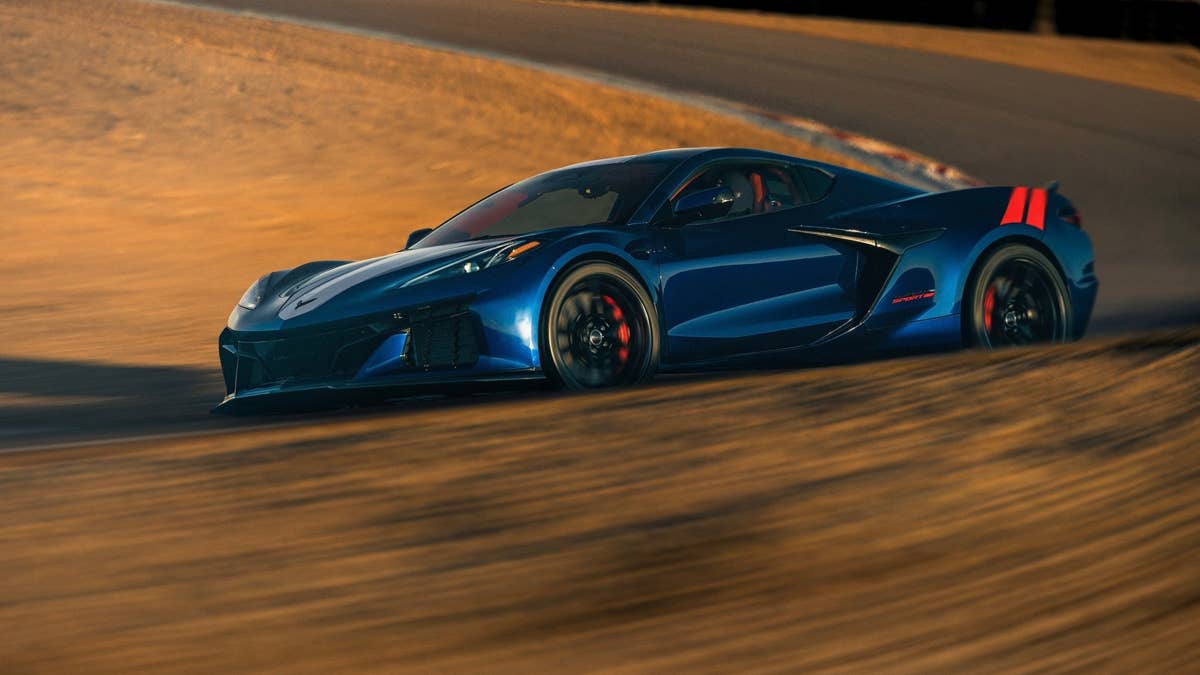
The Numbers, Because Context Is Everything
The 2027 Corvette Stingray’s LS6 engine returns 15 MPG in the city and 25 MPG on the highway, for a combined figure of 18 MPG. The outgoing LT2 managed 16 city, 25 highway, and 19 combined. So the highway number is completely unchanged. The only hit is a single MPG in city driving.
Chevrolet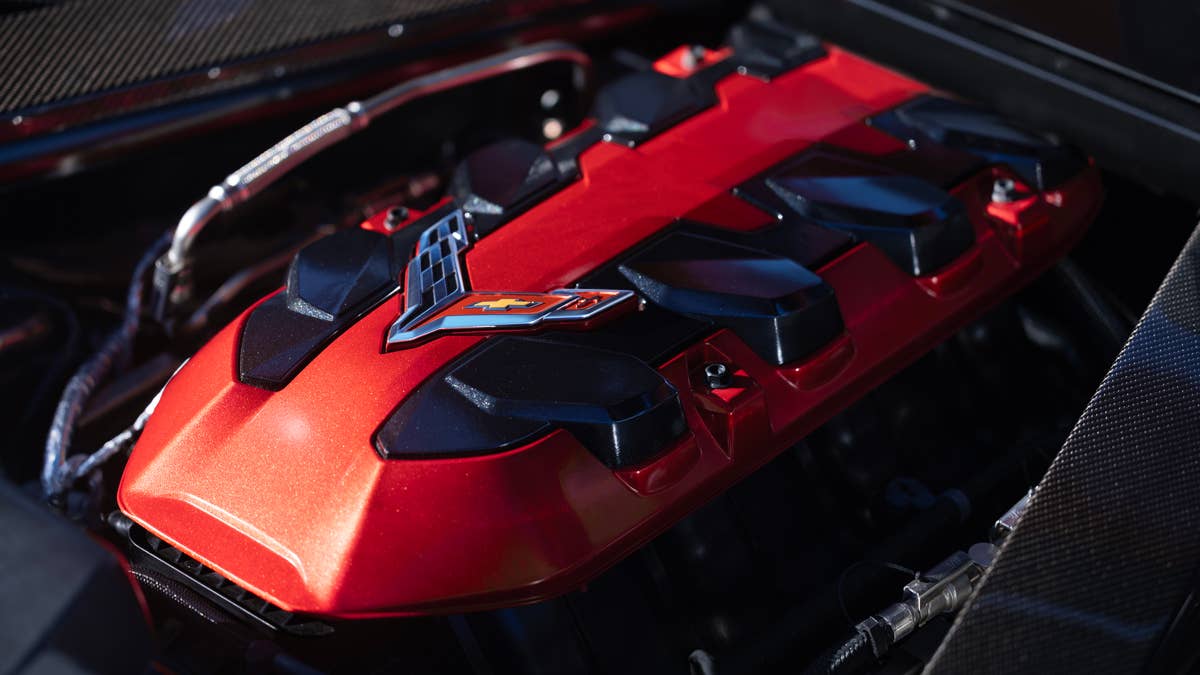
The bigger number to pay attention to is the sticker price. The 2026 Stingray started at $72,495, including destination fees. The 2027 model, with its new engine and revised options structure, now begins at $73,495. A $1,000 increase for a car that now makes 40 more horsepower from a larger, more sophisticated engine with dual injection and a higher 13.0:1 compression ratio. Even accounting for that $250 annual fuel premium, the value math still reads very much in the new Corvette’s favour.
GM’s Engineering Actually Did Something Smart Here
The LS6 displaces 6.7 liters, breathes through a larger 95mm throttle body, and uses cylinder deactivation alongside dual port and direct injection to keep the efficiency numbers from going off a cliff. It’s a bigger, more powerful engine that somehow doesn’t cost you much more at the pump. The result is one of those rare cases where you get a genuinely better car without necessarily paying the price for it.