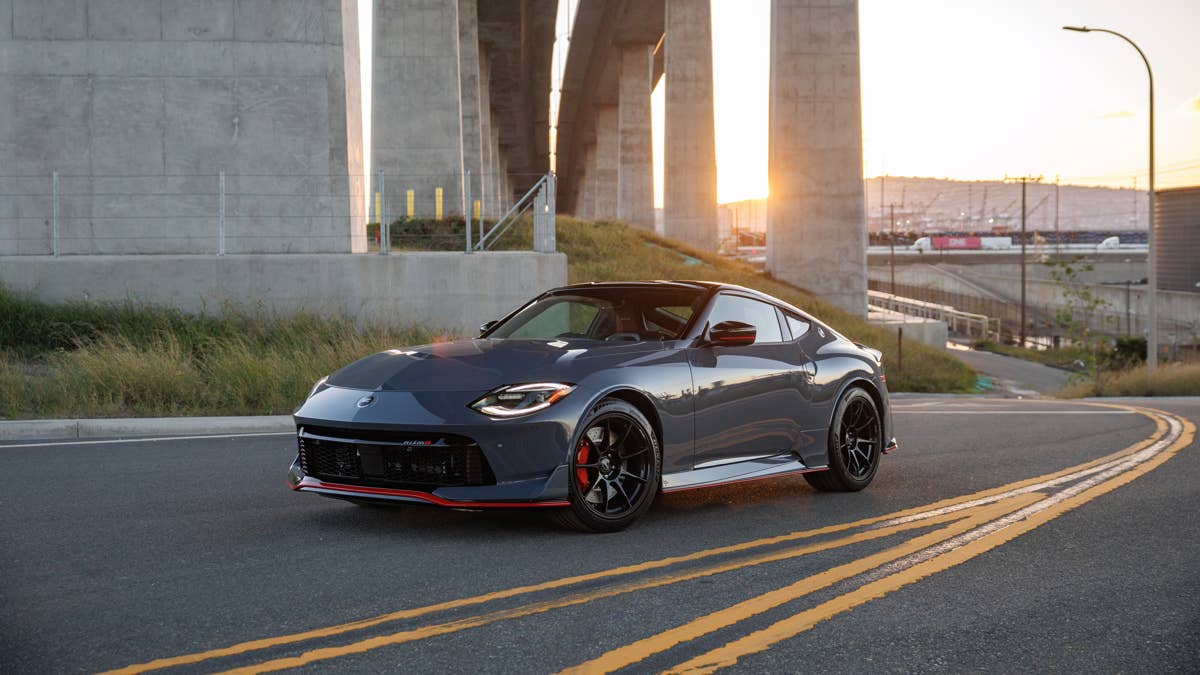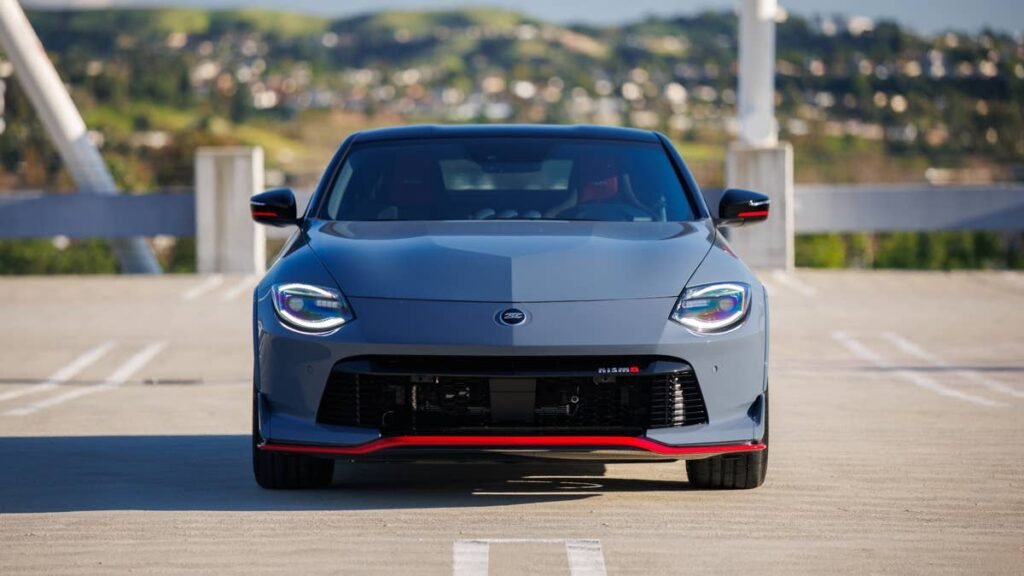
Nissan‘s current and only sports car has been carving up roads for a few years now, cementing its status as a reliable staple in the modern sports car scene. For this year’s iteration, the latest Nissan Z hasn’t been completely redesigned, but it has received a few crucial mid-cycle updates to keep it competitive. Unfortunately for American driving enthusiasts, these minor tweaks have been accompanied by a noticeable price hike across the entire lineup.
Despite the rising cost of entry, the automaker did finally address one of the biggest complaints from purists. The flagship Nismo model gets a six-speed manual transmission at no extra cost, ditching the automatic-only restriction. Along with minor retro aesthetic nods and better brake cooling, the car remains an absolute thrill on the track. But the real story isn’t the hardware; it’s the regional price tag.
Nissan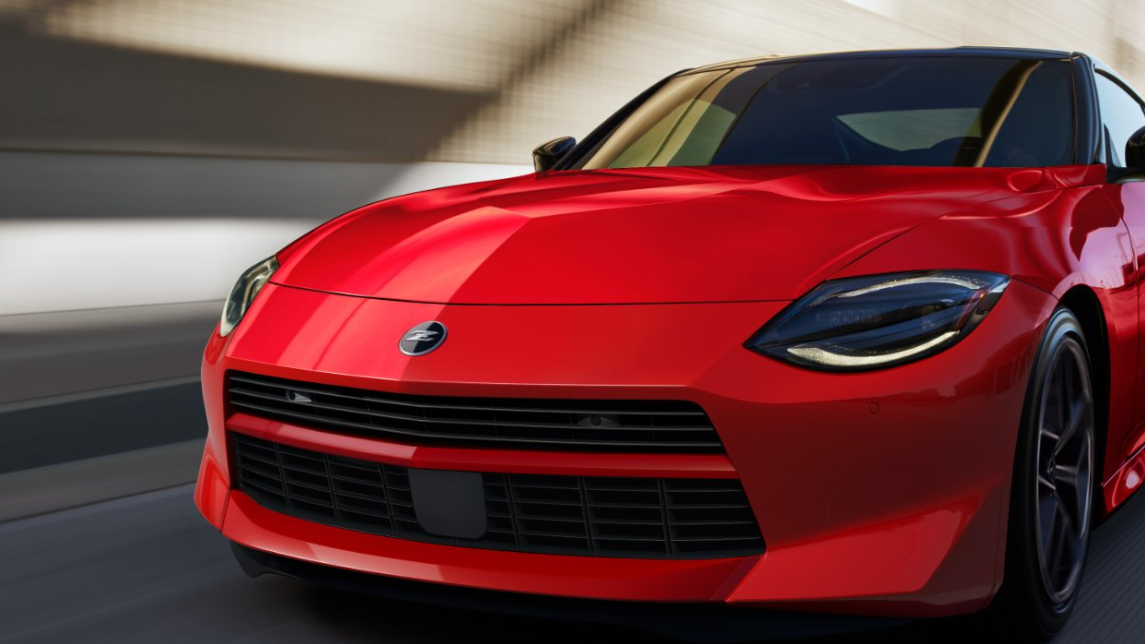
The Cross-Border Price Shock
While American buyers are grudgingly accepting the recent price bumps, a quick glance north of the border reveals a staggering disparity. The exact same car, rolling off the exact same assembly line with identical trim levels, is being sold to Canadian consumers for significantly less money. This isn’t a case of minor currency fluctuation but a massive gap that leaves US buyers feeling entirely shortchanged.
Let’s crunch the actual numbers. In the United States, the entry-level Z Sport starts at a hefty $44,480. In Canada, that same base model is priced at CA$49,998, which roughly converts to an incredible $35,495. That means Americans are paying a $9,000 premium just to get into the base model. The sting gets worse with the mid-tier Performance trim, costing $54,480 stateside but only translating to $44,725 for our northern neighbors.
At the top of the range, the Nismo demands a painful $67,260 in the US market, while Canadians can snag the flagship for a converted $54,665. So, why are Americans footing the bill for this discrepancy? There are many complex factors dictating international pricing, but one reason can certainly be attributed to tariffs. These punitive import fees artificially inflate the MSRP for US consumers, turning a reasonably priced sports car into a luxury-tier expense.
Nissan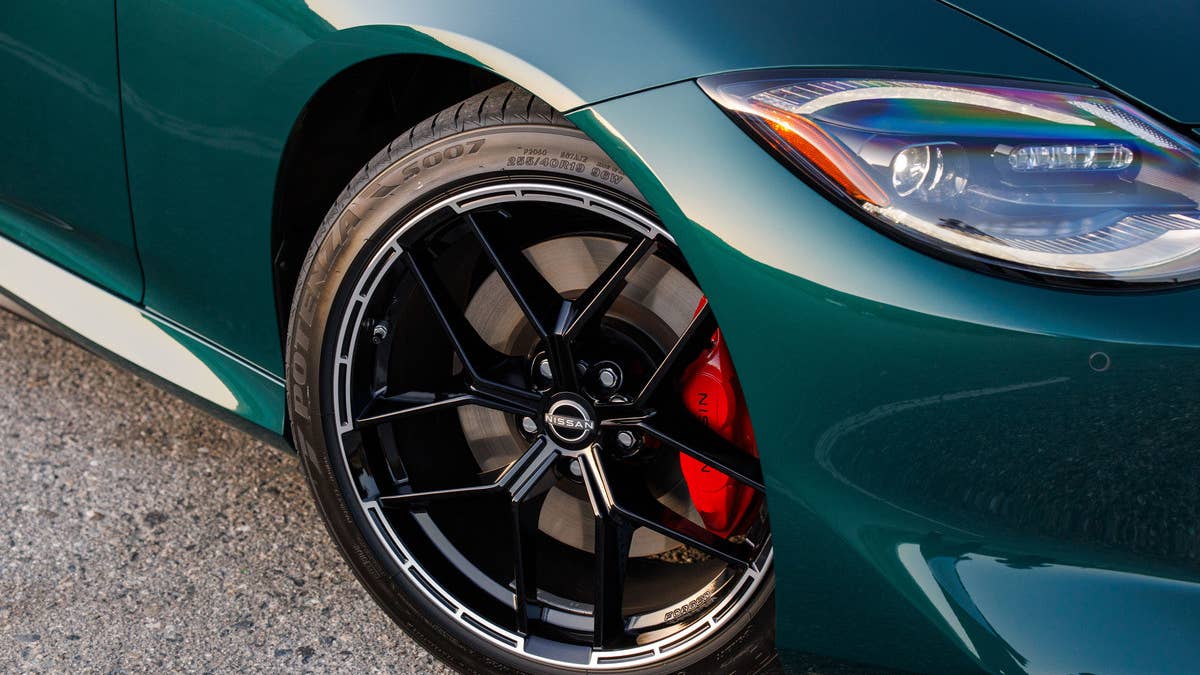
The Harsh Industry Reality
The truth is, American car buyers have been dealing with this kind of geographical price gouging for years. Automakers know what different markets will bear, and the US market’s willingness to absorb high costs allows them to pad their bottom line safely. We recently saw this exact same pricing phenomenon in the EV space, where the Tesla Model 3 was thousands of dollars cheaper for Canadian buyers than it was for Americans.
Ultimately, this strategy is a tough pill to swallow for loyal driving enthusiasts in the States. The current Z remains a fantastic machine, but knowing that a buyer just a few hours away is saving enough cash to buy a whole second commuter car ruins the magic. Unless you’re willing to jump through the agonizing bureaucratic hoops of importing a Canadian vehicle, American gearheads will just have to grit their teeth and pay the premium.
Nissan