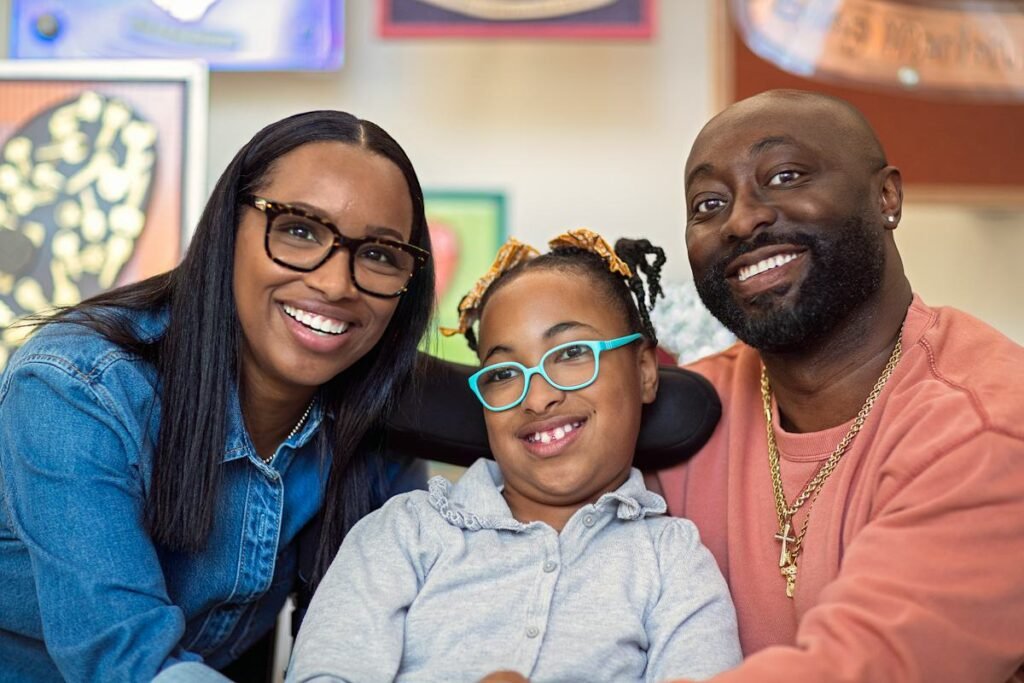
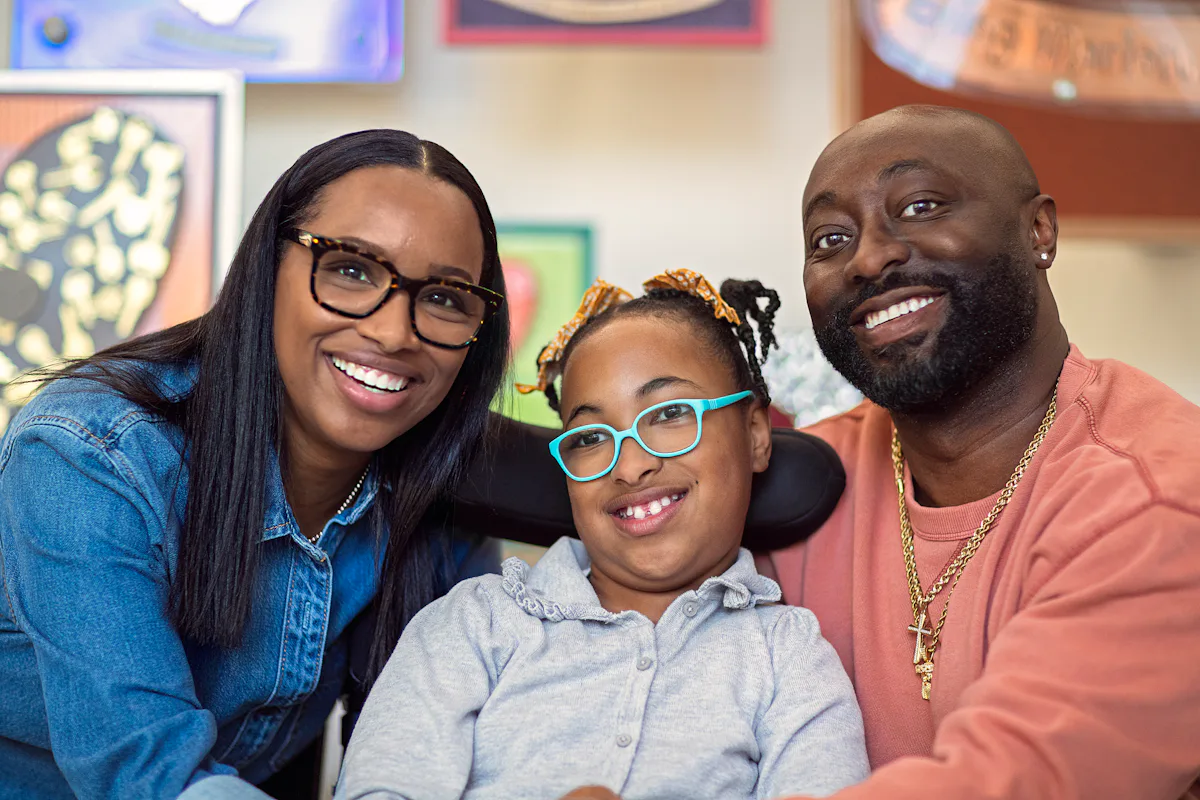
At 25 weeks pregnant, Jules McBride and her husband, Jevon, were in a car accident that would change their lives, severely injuring them both. Jules needed an emergency C-section, bringing their daughter, Juliana, into the world months early, weighing just 1 pound, 10 ounces. Juliana was later diagnosed with a Grade 4 brain bleed and hydrocephalus.
While Juliana was fighting for her life in the NICU, Jules and Jevon were dealing with their own recoveries. Jules was in a wheelchair, while Jevon would need multiple surgeries and countless hours of physical therapy to learn how to walk again. “We were navigating an unimaginable medical crisis,” Jules says, “but leaving Juliana’s side was never an option.”
With home more than an hour and a half away from the hospital where Jevon and Juliana were staying, Jules was faced with figuring out how she could recover herself and stay close to her family. That’s when a hospital social worker told her about Ronald McDonald House, a place where families can stay near the hospital while their child receives medical care.
The McBrides’ first stay at Ronald McDonald House lasted 105 days, and it gave them a place to rest and recover while staying close to Juliana. “I was scared when we first arrived because I had just left my husband and baby at the hospital, but there was also an overwhelming sense of relief knowing I was still so close,” she recalls.
The Everyday Needs That Don’t Stop
When your child is seriously ill, the everyday questions don’t disappear. Where will we sleep? How will we eat? How do we get from the bed we’re healing in to the bedside where our baby is fighting? “I was so worried about how Jules would travel between our home, the hospital, and Juliana’s NICU while she was injured herself,” Jevon remembers. “But Ronald McDonald House gave us a way to stay close to Juliana and eventually come back together as a family.”
Jules’ mother, Alison, stayed with her at the House during the first eight weeks, helping care for her while she recovered. When Jevon was discharged from the hospital, he joined them there so the family could stay close to Juliana.
Jules calls Ronald McDonald House “such a gift,” providing “all the essentials of everyday life.” Around daily hospital visits, they had accessible rooms and bathrooms, a place for Jevon to continue physical therapy, storage for breast milk, home-cooked meals, and somewhere to rest after long days in the NICU.
“It gave us a home near Juliana rather than forcing us to face everything separately,” Jevon says. “I could visit her every day, stay close to her care team, and be present for her treatment without worrying about where we would sleep or how we would manage basic needs,” Jules says.
Healing Together
Hospital life is loud and relentless. Monitors beep through the night, and the hours blur together. Jevon describes what Ronald McDonald House offered in contrast. “We had nutritious meals waiting, a place to take a hot shower, and a peaceful room away from the sounds of hospital monitors.”
The House also had common areas, including one with a piano that Jevon took to. “Being able to sit in the common room and play familiar melodies helped me stay grounded while I was recovering and learning to walk again. Those moments gave me a sense of normalcy and reminded me of who I was outside of my medical journey,” he recalls. “The everyday comforts of the House helped create a space where I could focus on my family and my healing.”
For Jules, another source of comfort came from the families around her. In the evenings, after Juliana was asleep, she would return to the House and spend time with other parents who understood exactly what she was going through without needing an explanation. “They understood the fear and exhaustion of having a child in the hospital in a way that not everyone could,” she says. “Being able to confide in them helped me feel less alone.”
“Community is often built through ordinary moments,” says Katie Fitzgerald, President and CEO of Ronald McDonald House Global. “A volunteer has dinner ready after a long day at the hospital. A staff member welcomes a parent and siblings by name. Another parent understands the exhaustion of waiting for test results without needing any explanation. Siblings have someone to play with while their caregivers have a moment to breathe.”
Sharing Their Story
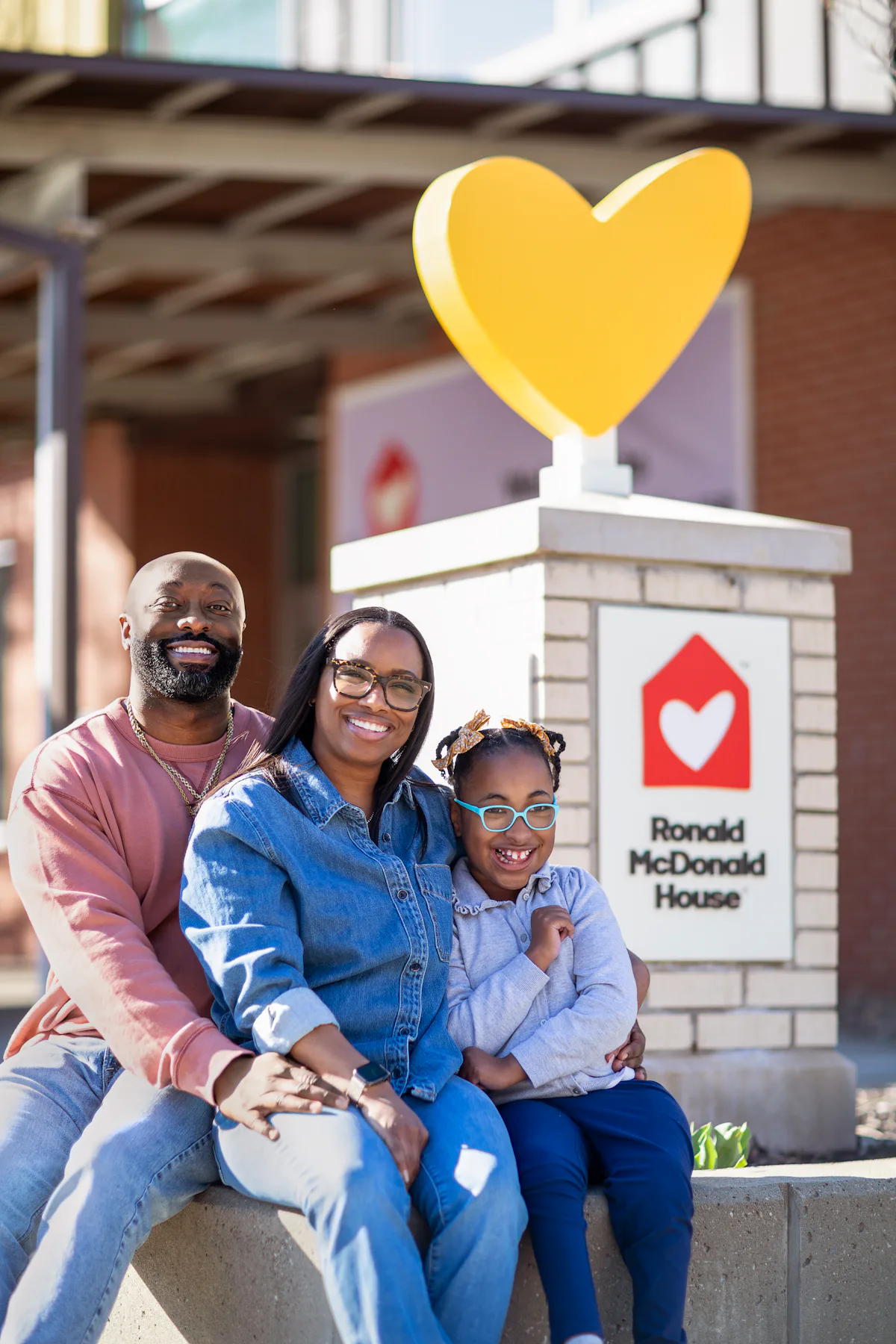
Now, as the first-ever Global Spokesfamily for Ronald McDonald House, Jules and Jevon are connecting with more families navigating their child’s medical care and providing the same support and encouragement that others gave them when they needed it most. “You do not have to go through this alone,” Jules says. “Asking for help gives you the chance to rest, recover, and keep showing up for your child.”
Jevon adds, “There is so much strength in accepting help. When your family is facing so much, support can make all the difference. Ronald McDonald House gave us the space to focus on being together and healing together.”
Help More Families Stay Close
Right now, a parent is sitting in a hospital waiting room wondering where they’ll sleep tonight, when they’ll have their next meal, and how they’ll manage another day away from home. Ronald McDonald House helps remove those everyday burdens and offers a community of support, so families can stay close to their child and involved in their care.
“A parent cannot focus on their child’s care if they’re also trying to figure out where the family will sleep, how everyone will eat, how to get to the next appointment, and how siblings will be taken care of. A place to rest, eat, and just be together as a family eases some of that pressure,” says Fitzgerald. “For some families who travel far or are struggling with finances, having those practical needs met can make the difference in whether their child can access that care at all.”
The McBrides know how much this support matters. Yet many families still cannot access this support when they need it. Ronald McDonald House estimates that 2.6 million families worldwide need its services, and it currently serves approximately one in four. In the U.S., it meets about 55% of estimated demand. “I still think about the other families who need our support,” says Fitzgerald.
As the McBrides mark a decade since their first stay at Ronald McDonald House, they’re inviting readers to help more families receive the support that made such a difference for theirs. “Ronald McDonald House helped my family stay together and close to our daughter’s care. It gave us a home, meals, and a supportive community when we were exhausted and scared,” says Jevon.
To commemorate 10 years since the McBrides’ first stay, donate $10 or more to Ronald McDonald House today to help ensure that more families have the everyday essentials and support they need to stay close to their child.