From the Makers Of The Thinnest Car in the World…
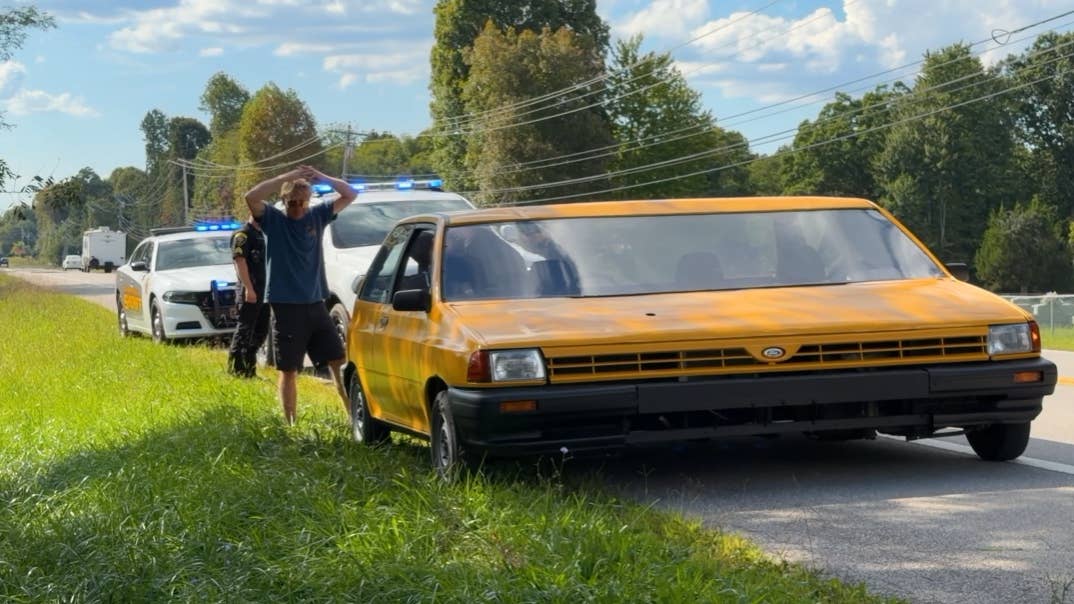
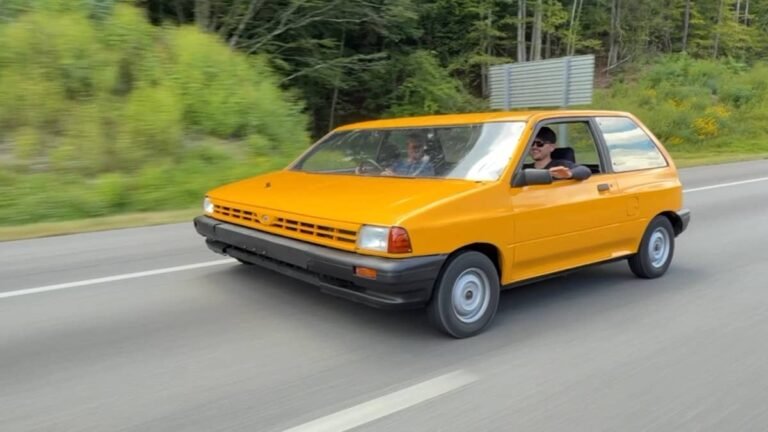
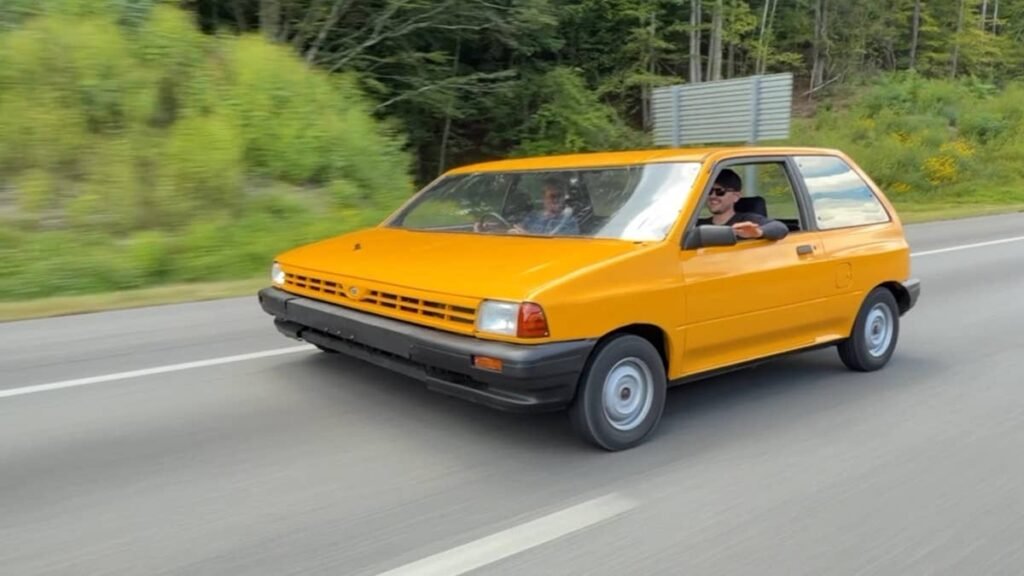
The Prop Department on YouTube just won’t stop with the crazy builds. From the guys who brought you the thinnest car in the world, they’ve now built the widest street-legal car in the world from a Ford Festiva.
They took apart three Ford Festivas and put them back together to make this monstrosity, and it’s unbelievable how they built it. Using a combination of hand tools, CNC machines, and 3D Printers, the Prop Department extended the Festiva from 63 inches to 120 inches.
What’s even crazier is that this car is registered with the DMV and totally legal to drive. While the Prop Department was testing the vehicle, the boys in blue stopped them, but they produced documents and drove away.
Putting Things Into Perspective
As mentioned, the first-generation Festiva comes in at about 63 inches in width. It’s a small car, so this car is essentially about twice the width. This thing is over a third wider than a Ford F-150 and about 14 inches wider than a Ford F-450 (with mirrors).
At 120 inches wide, it essentially bumps up against the limit of what can be legally driven down the road. The maximum is set at 8.6 feet wide, but special permits allow the 10-footer to go down the road. Any wider, and the Prop Department would need a pilot car and pre-approved routes in order to get around.
Now, as you can imagine, it’s a hard car to drive, not only because it’s probably hard to drive, but also because it takes two people to actually steer the car. Even more impressive is that they took it out on the highway and even on a stint off-road. Oh, and to combat the struggling air conditioning, don’t worry, it has 14 extra-large cup holders.
Lasers, 3D Printing, and Welding
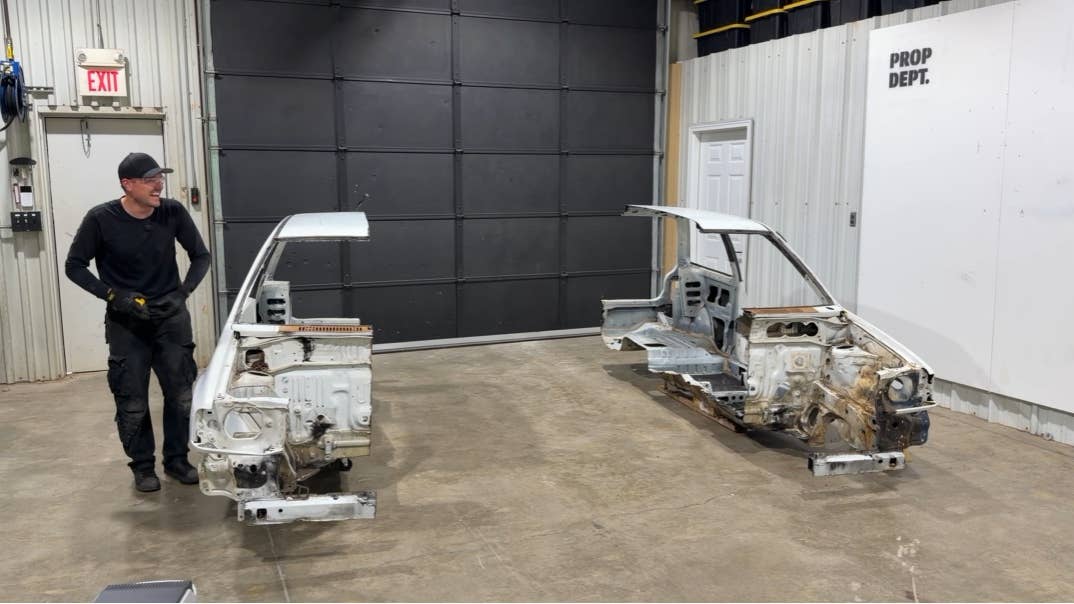
To make this project happen, some pretty serious technology was employed. First, we used lasers to line up the car’s center line and cut it in half. Next, they welded and fabricated other sheet metal pieces to build the car’s structure.
However, the most impressive, and you could say important, part of this project is the details. You can extend the width of a car, but making it convincing is another story. That’s where the 3D-printed dashboard, grille, and panels come in. These details come together and make the car look like it actually was intentionally wide to begin with. Going back to lasers, I find it neat that they used a laser welder instead of the standard gas jobs.