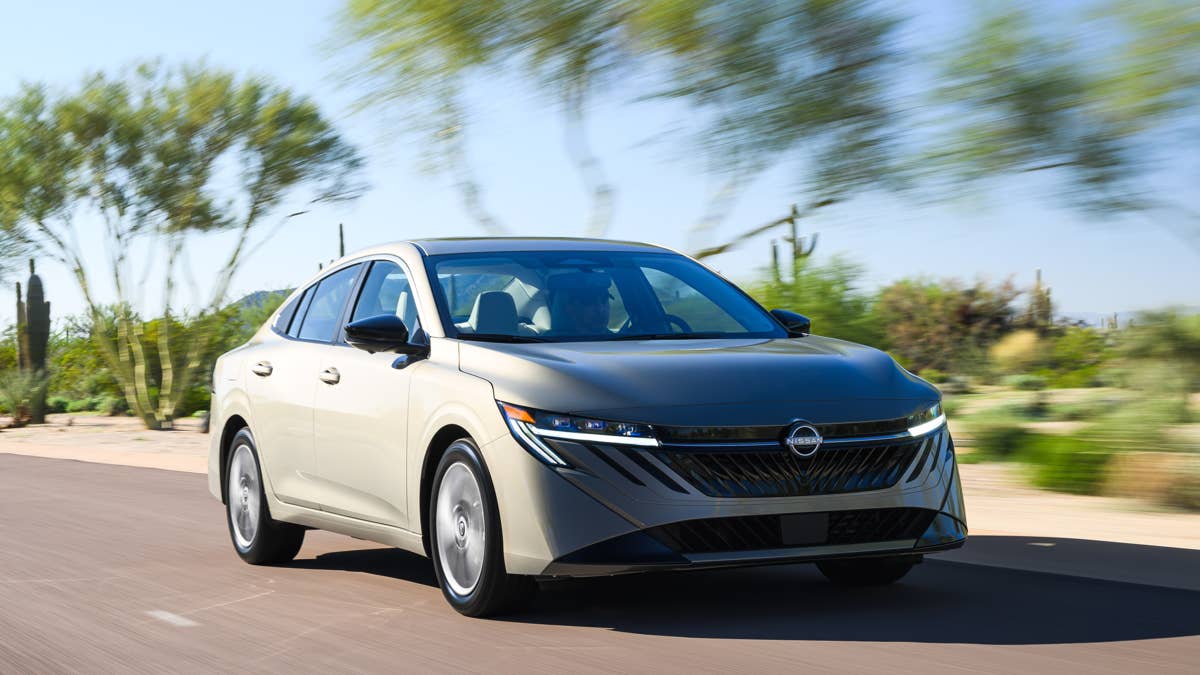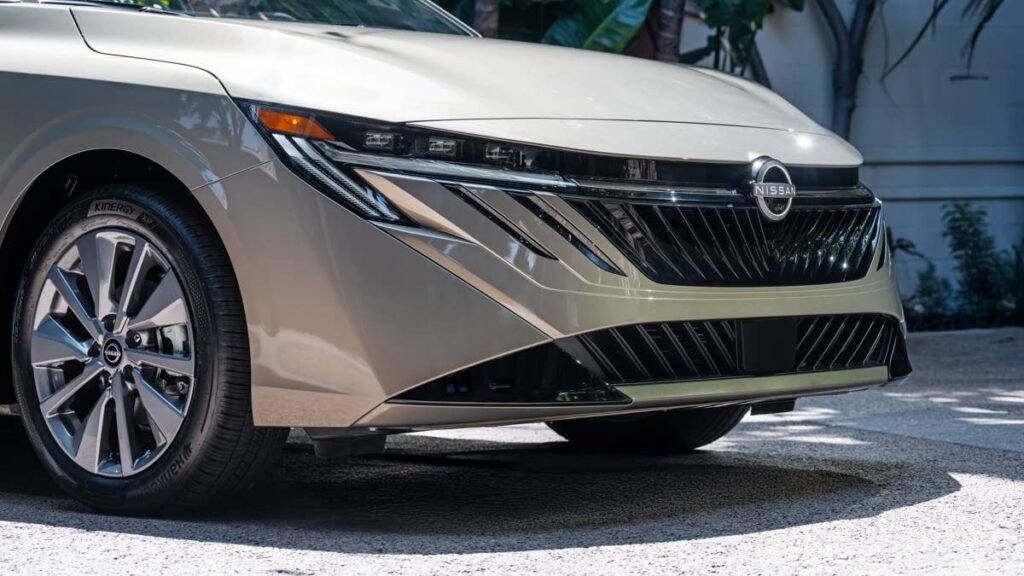
Once upon a time, the most affordable cars on the market were also the least secure, crumbling under the pressure of a serious crash, but the 2026 Nissan Sentra has proved that those days are long behind us. Despite a starting price of $22,600, the sedan achieved a Top Safety Pick+ award from the Insurance Institute for Highway Safety, its highest honor. To get there, vehicles have to pass all three IIHS crash tests with a rating of “Good” (the highest score possible). These tests include the small overlap front crash test, the moderate overlap front crash test, and the side impact crash test. But what exactly are these tests all about?
How the IIHS Tests Vehicles
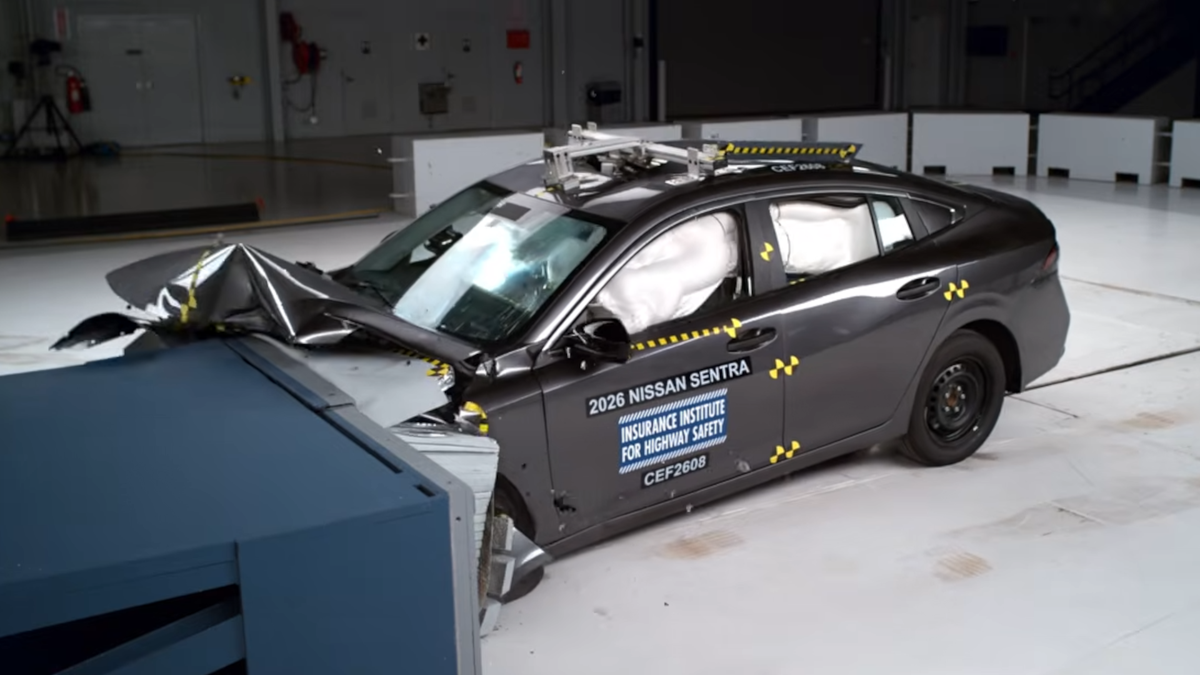
The IIHS uses a four-point scale to rate vehicles: Good, Acceptable, Marginal, and Poor, and this scale is applied after replicating several scenarios. The updated moderate overlap front crash test replicates a head-on collision at 40 mph, and the IIHS evaluates cars, not only on how well they can deal with the impact, but also how well the seats keep a dummy in the second row from sliding under the belt and hitting the seat in front of them.
The small overlap front test (depicted above) is one of the most difficult to score well in, as this simulates a crash where the front of the car hits an unmoving object, but not head-on. At 40 mph, only one corner of the front end (25 percent of the vehicle’s width) makes contact with a fixed object (a five-foot-tall rigid barrier), recreating a crash where one hits a tree or pole. The IIHS does this on both sides of the car, ensuring that both frame rails and impact absorption structures are evaluated. In a badly designed car, this test pushes a front wheel into the footwell, which can move the steering column and its airbag away from the driver or collapse the passenger compartment.
Related: Nissan Is Getting Serious About Bringing the Silvia Back
Finally, the side test uses a barrier weighing some 4,200 pounds to simulate an SUV or pickup hitting the vehicle in a T-bone collision at 37 mph. Over the years, this test has been updated to increase weight because cars are getting heavier, and the fact that the IIHS says the Sentra can handle such a collision is impressive, especially since it weighs under 3,200 lbs itself.
Nissan’s Cheap Sedan Can Also See Better
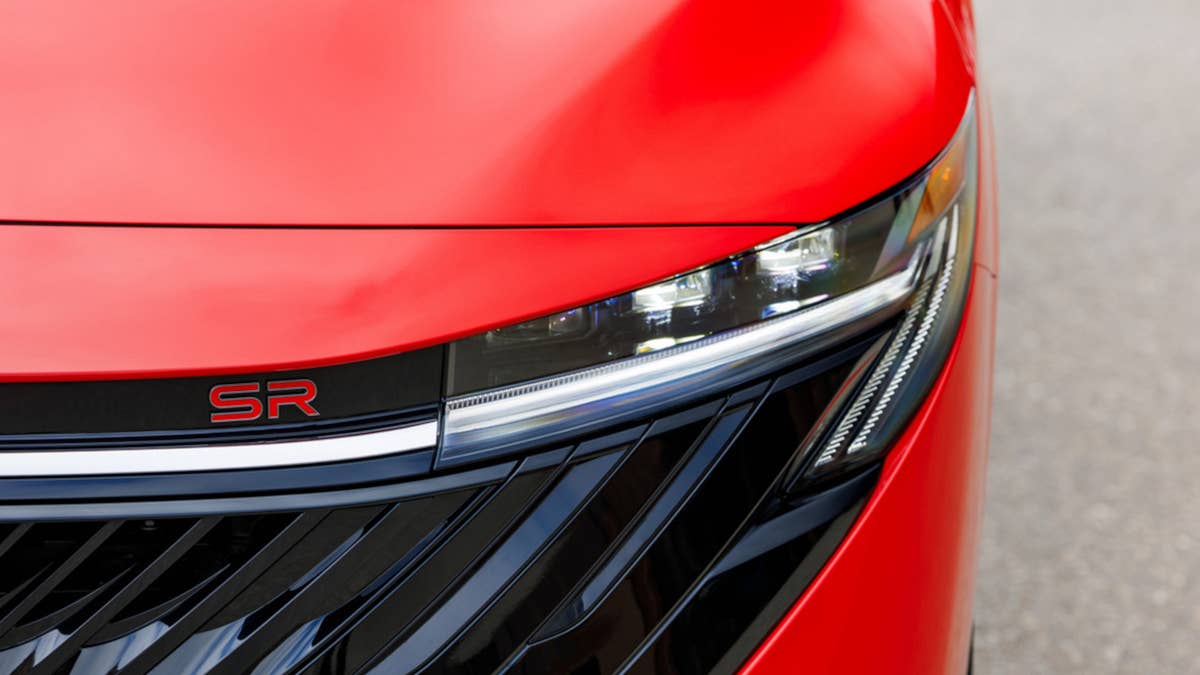
Nissan says it achieved such a fine rating by passing the above tests, but also by providing the Sentra with 10 airbags as standard, among other things. These include a new advanced driver assistance system suite that is better at avoiding crashes in the first place, through a new 4K front camera and front radar. These systems, coupled with new software, are said to be capable of identifying obstacles earlier and with greater accuracy.
Those potential obstacles now include bicyclists and motorcyclists, and thanks to standard LED headlights on all trims, the Sentra makes it easier for drivers to see in the dark, too. While the previous-gen Sentra had light-scattering halogen headlights as standard, with LEDs optional, the 2026 Sentra’s clusters each have two LED projectors for low beams, with an extra projector on each side for high-beam functions. These create a stronger, more precise light beam, thus minimizing glare for oncoming traffic while improving visibility for the driver.
While the IIHS tested the Sentra SV, one trim up from the base S model, all 2026 Sentra models get the Nissan Safety Shield 360 suite, with Intelligent Forward Collision Warning (autonomous emergency braking), pedestrian detection, blind-spot monitoring with rear cross-traffic alert, high-beam assist, rear automatic braking, and lane depature warning, along with the aforementioned airbags and things that all new American cars get, like a rearview camera, anti-lock brakes, and stability control.
Nissan