If your city’s water supply gets shut off in a disaster, extra bottled water in your cupboard won’t last long. A startup founded by former SpaceX engineers proposes a different option today: a portable desalination device that can quickly purify almost any natural source of water nearby, including seawater.
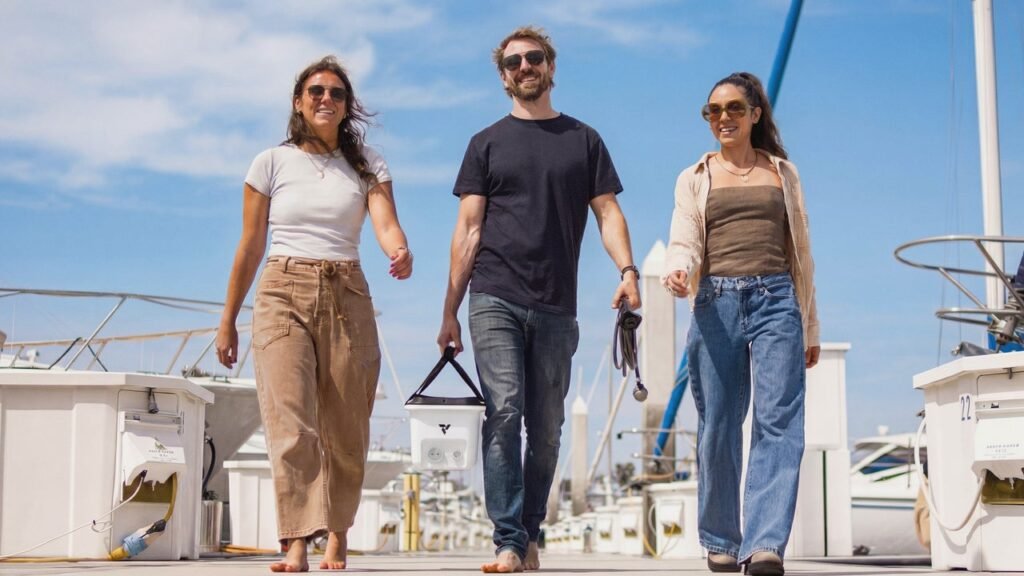
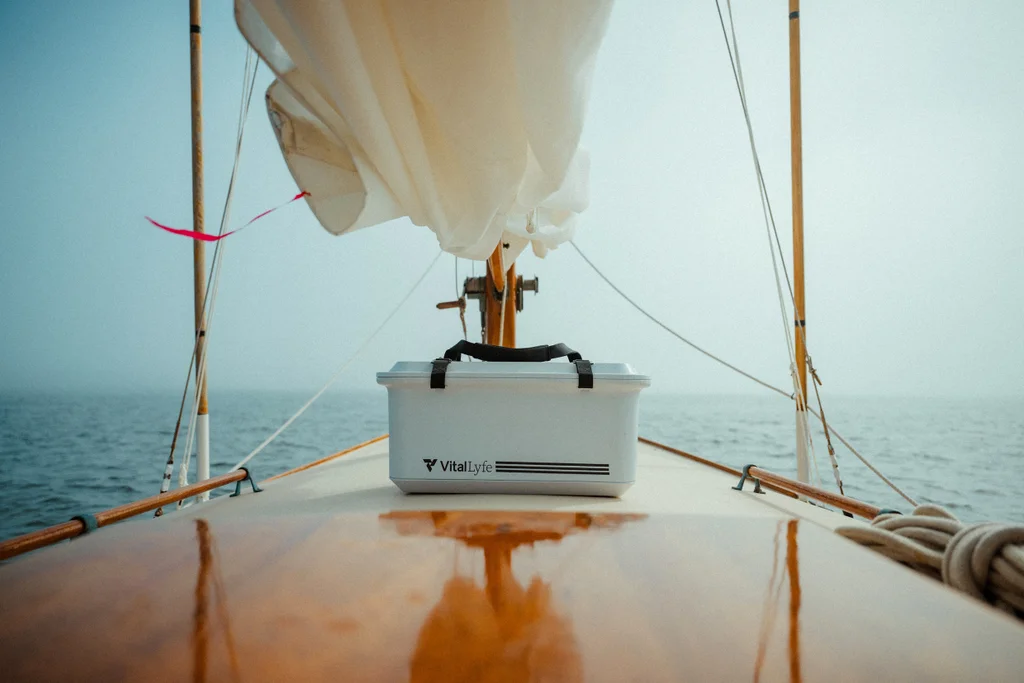
The $749 apparatus, called Access, is roughly the size of a large toolbox and is aimed at anyone who needs access to water off the grid, from campers and sailors to people who don’t have reliable access to clean drinking water.
Traditional desalination often involves massive infrastructure, like a desalination plant in San Diego that sprawls over 6 acres. While smaller, portable desalination technology is already on the market, it’s also expensive. “Developing nations have essentially been priced out of this technology,” says Jonathan Criss, CEO and cofounder of the startup, Vital Lyfe. Marine “watermakers,” for example, typically cost thousands of dollars. Existing systems can also be difficult to maintain, particularly when it comes to replacing filters.
Vital Lyfe’s founders set out to make desalination cheaper and simpler. They started with reverse osmosis, a common method that uses pressure to push water through a membrane that filters out salt and other impurities. Then, working from first principles, they reconsidered each component of the system, eliminating unnecessary parts to reduce costs and make repairs easier. They also designed the system for mass manufacturing.
“We always say that we design the manufacturing line before the product,” says Criss. The factory, not far from SpaceX’s plant in the L.A. area, is designed for high-rate production. “In theory, based off of what we’ve designed this factory for, you can build more desal devices over the course of a month here than currently exist globally,” he says.
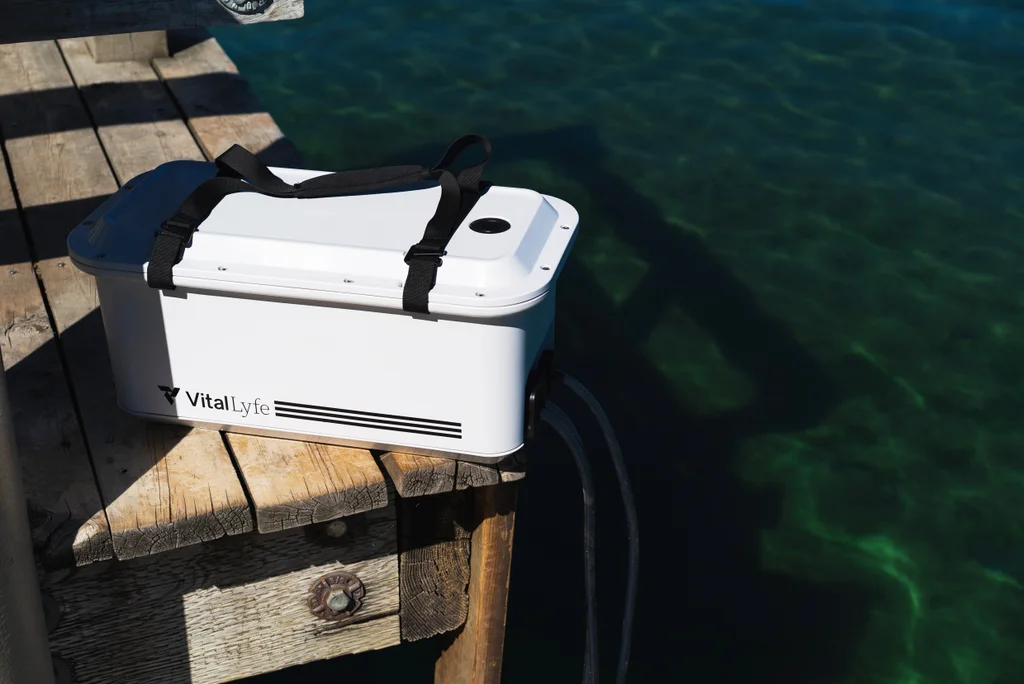
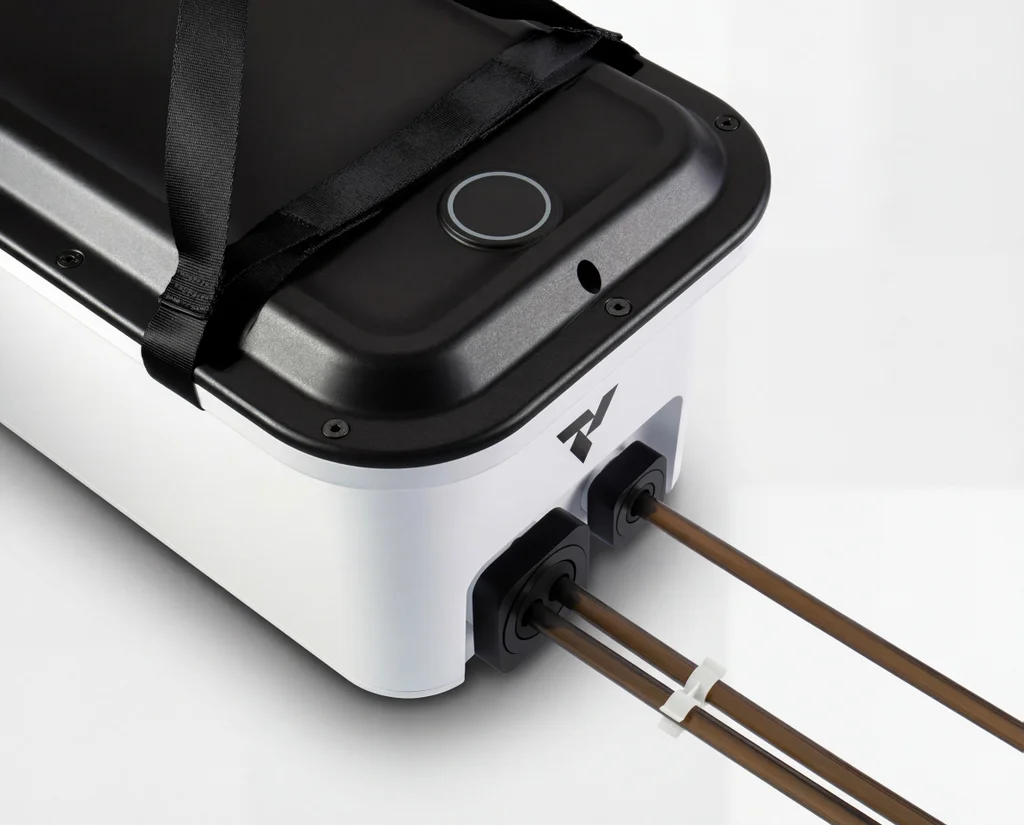
A hose connects one end of the device to a water source, and a push of a button turns it on. A high-pressure pump, powered by a battery, pushes the water through a membrane inside. The equipment can filter seawater at a rate of up to 6 gallons an hour, or up to 12 gallons of fresh water an hour. The filters can be swapped out in less than 30 seconds, solving a major pain point with existing devices. (The founders say that as they were testing other devices on the market, it took them, even as engineers, as long as 30 minutes or an hour to change the filters.)
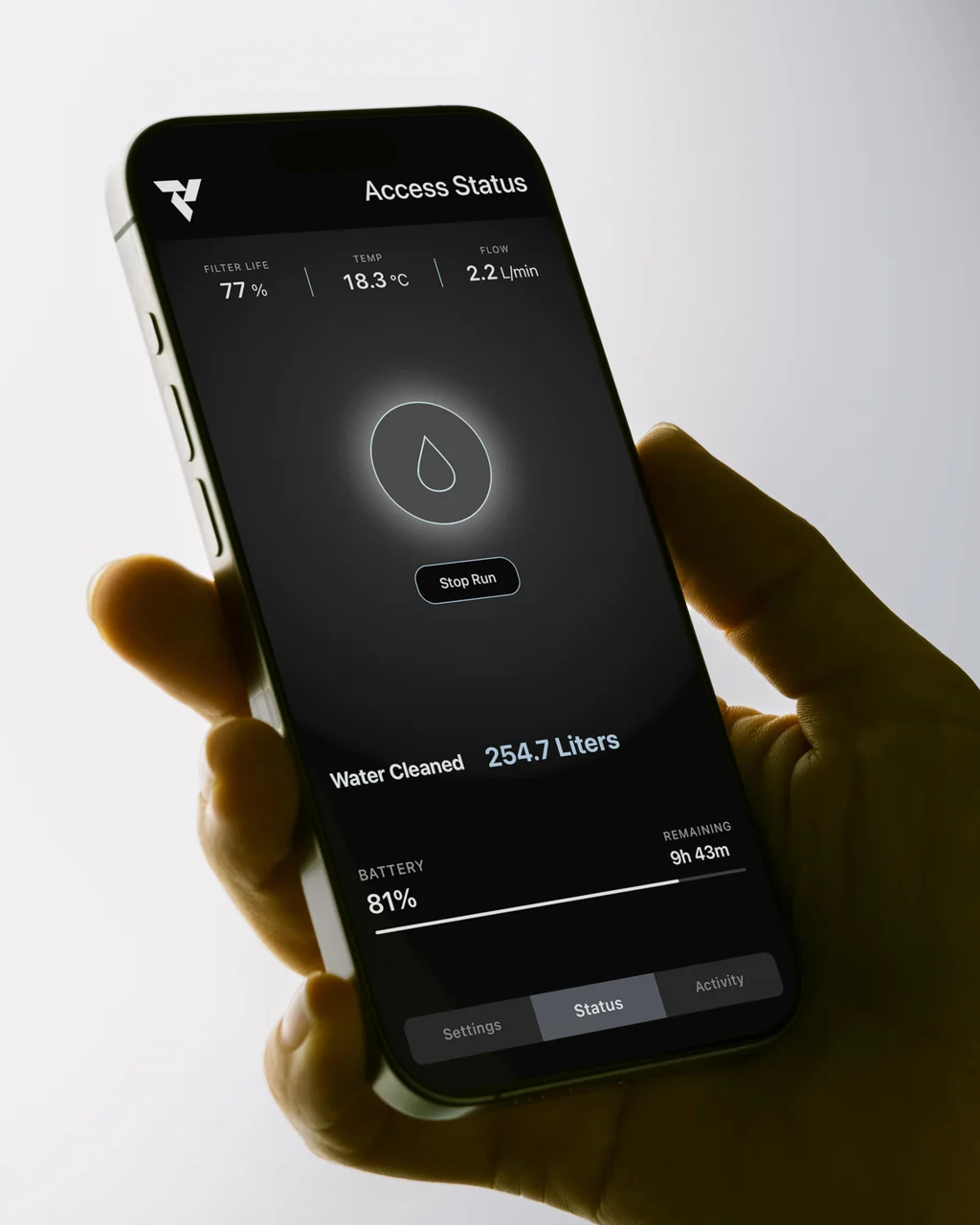
The company is aiming first at recreational customers and preppers who want the latest technology for disasters. But it’s simultaneously working with nonprofits to bring the equipment to parts of the world that lack clean drinking water. They expect the cost to fall as production scales up.

“You start . . . in more affluent countries and learn from that technology, how people are using it,” Criss says. “You drive down the cost. And then you use the more affluent countries to essentially subsidize the more developing countries.”
Some early customers are in Pacific Island nations, where this year’s Super El Niño is already beginning to cause extreme drought in some areas. In countries like Palau, Criss says, some conventional desalination equipment—in shipping containers, designed to run on diesel—now sits abandoned because it was so hard to maintain. Simple portable devices like this could make desalination more accessible.