The Reset Nissan Needs
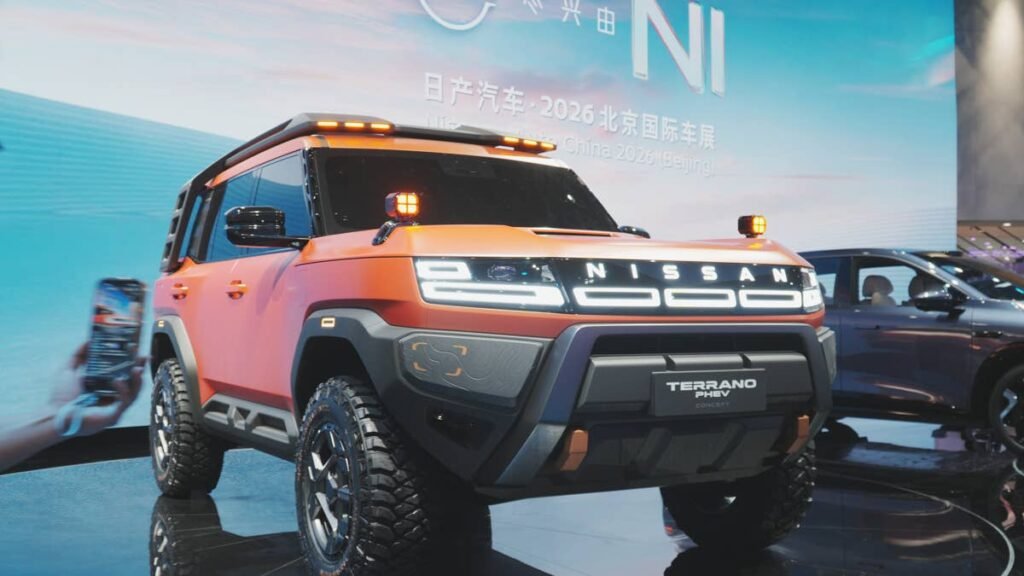
The Nissan Terrano is back, and this time it arrives as a global plug-in hybrid off-roader revealed at Auto China 2026. The Terrano name has historically been used on rugged SUVs in select markets, often positioned below Nissan’s largest body-on-frame offerings. This new concept signals a shift in direction. It blends electrification with traditional off-road cues, which places it in a segment that is still largely underserved. Nissan appears to be targeting buyers who want capability without abandoning efficiency.
Seeing the vehicle in person in Beijing adds weight to the announcement. The concept feels close to production, not like a design study that will be diluted later. The stance, proportions, and detailing suggest that this is not just a compliance car. It feels like a genuine attempt to re-enter the off-road conversation. For the first time in years, there is a sense that Nissan is building something with a clear identity and purpose.
Autoblog / Leroy Marion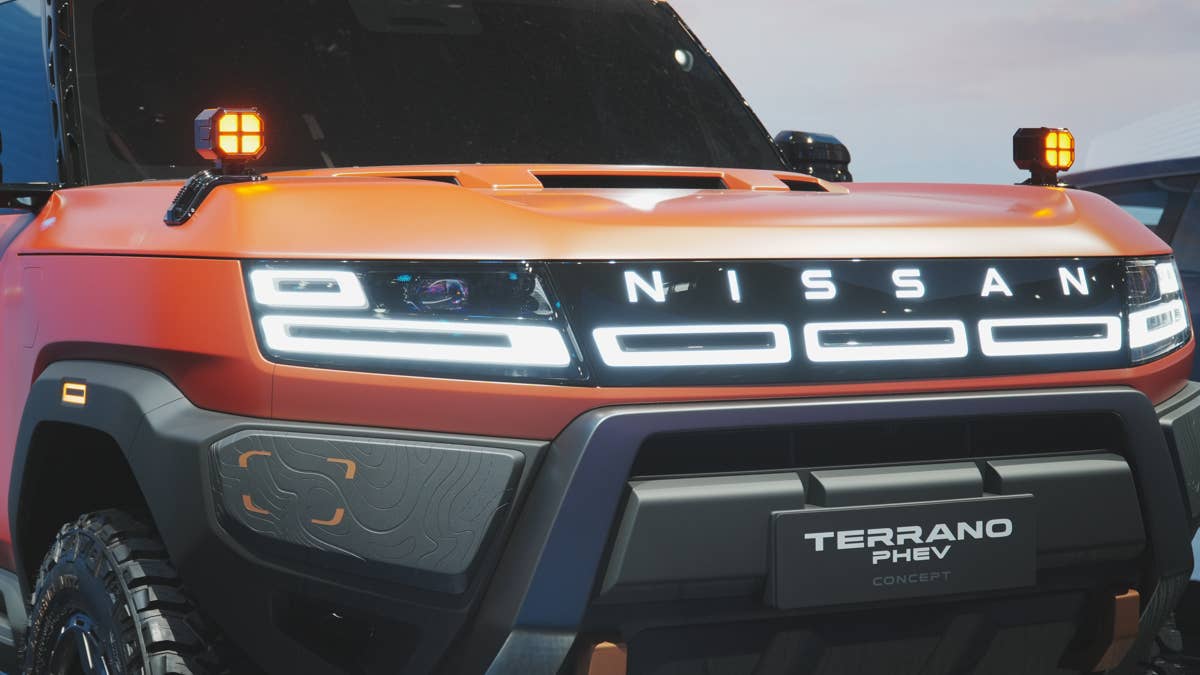
Boxy, Purposeful, and Xterra-Adjacent
The design leans heavily into boxy, upright proportions. It carries a strong resemblance to what many expect from the next Nissan Xterra. The flat surfaces, squared wheel arches, and upright glass give it a classic off-road silhouette. At the same time, it looks larger and more substantial than an Xterra is expected to be. It sits below the Nissan Patrol and Nissan Armada, but it has enough presence to stand on its own.
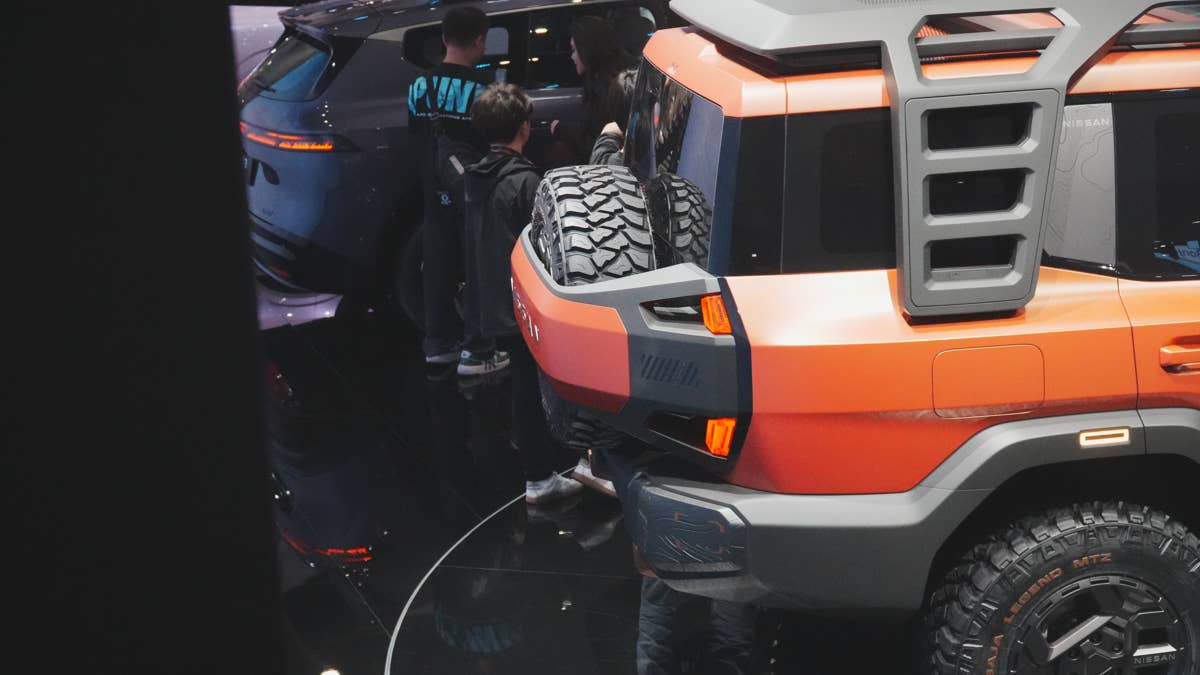
It also positions itself directly against the Ford Bronco. The key difference is that Ford’s off-roader has no hybrid or plug-in variant. The Terrano PHEV arrives with that advantage built in. The concept rides on 33-inch Mickey Thompson tires and features high ground clearance, a rear-mounted spare, and short overhangs. The overall execution looks ready for production. Even if its off-road capability remains to be proven, the visual credibility is strong and convincing.
Autoblog / Leroy Marion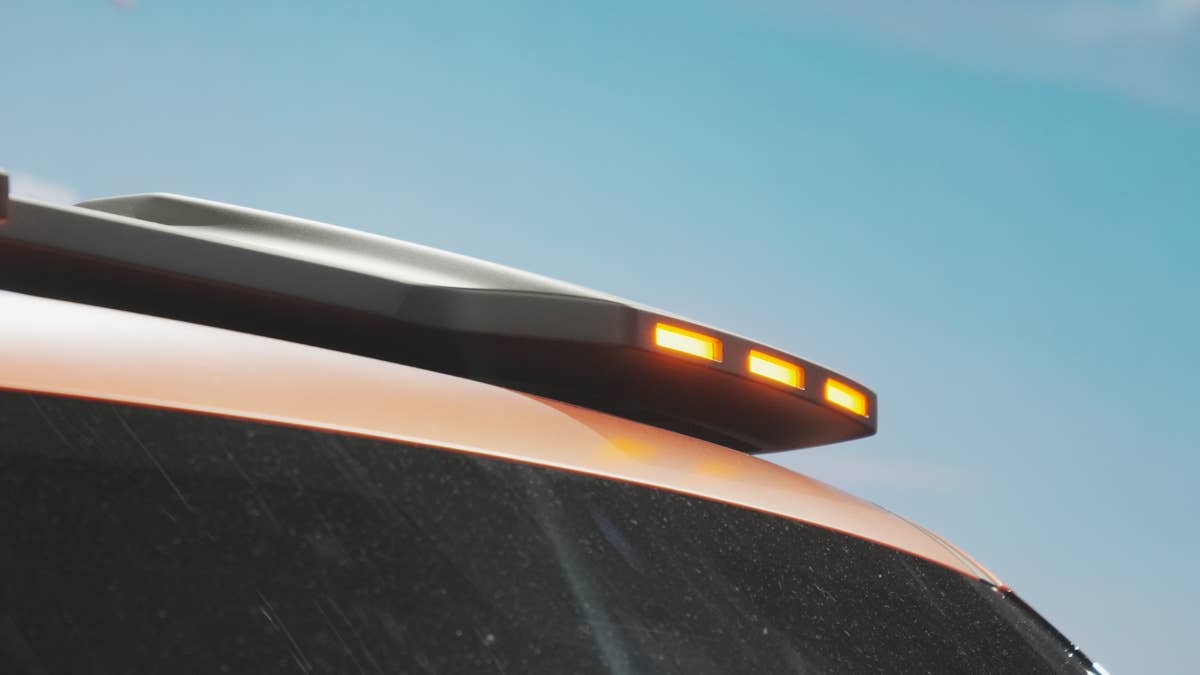
Big Hybrid Power, Real EV Range Potential
Nissan has not released official power figures for the Terrano PHEV. However, there are clear indicators from other projects. The Nissan Frontier Pro suggests what the brand is capable of with its ladder-on-frame, plug-in hybrid systems. That setup produces around 402 horsepower and roughly 590 pound-feet of torque. If the Terrano uses a similar configuration, it would place it well above many midsize SUVs in terms of output.
The electric-only range target is equally important. Nissan is aiming for up to 84 miles of EV driving. That figure would make it one of the more usable plug-in hybrids for daily driving. It allows owners to handle commutes without using fuel while still retaining long-distance flexibility. This combination of power and range could give the Terrano a distinct advantage if it reaches production with similar specifications.
Autoblog / Leroy Marion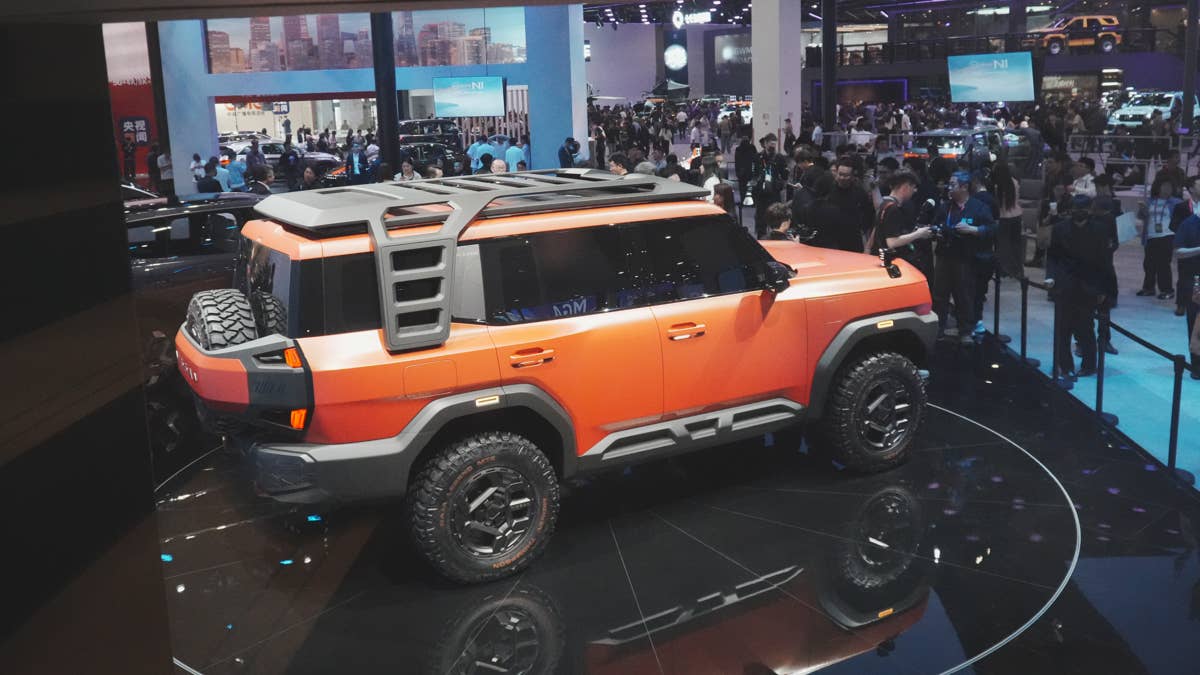
Bring The Xterra Already
Nissan has not confirmed plans to bring the Terrano PHEV to the United States. The company has emphasized region-specific strategies across major markets, including the UK, China, Japan, and North America. This suggests that the model could be prioritized for China, where demand for electrified SUVs continues to grow rapidly. Regulatory pressure and consumer preferences both support that direction.
This approach aligns with Nissan’s broader restructuring efforts. The company is reducing complexity in its lineup while introducing more targeted products. The Terrano PHEV fits into that strategy as a focused, market-driven vehicle. For U.S. buyers, attention will likely shift to the upcoming Xterra. If that model captures the same design intent and avoids the softer positioning of vehicles like the Nissan Pathfinder, then Nissan could be setting up a stronger return to form in the off-road segment.
Autoblog / Leroy Marion