A Threat Across the Atlantic
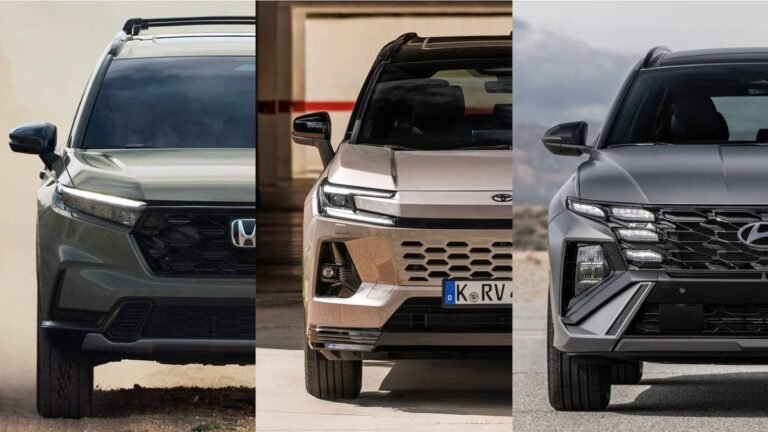
Established automakers such as Ford and Hyundai have raised concerns about Chinese brands entering the U.S. market, with the latter citing their growing presence in Europe. Hyundai also highlighted the U.K.’s lower tariffs on Chinese EVs, noting that Chinese vehicles are priced 30% to 40% below competing models in European markets such as Italy, Spain, and France.
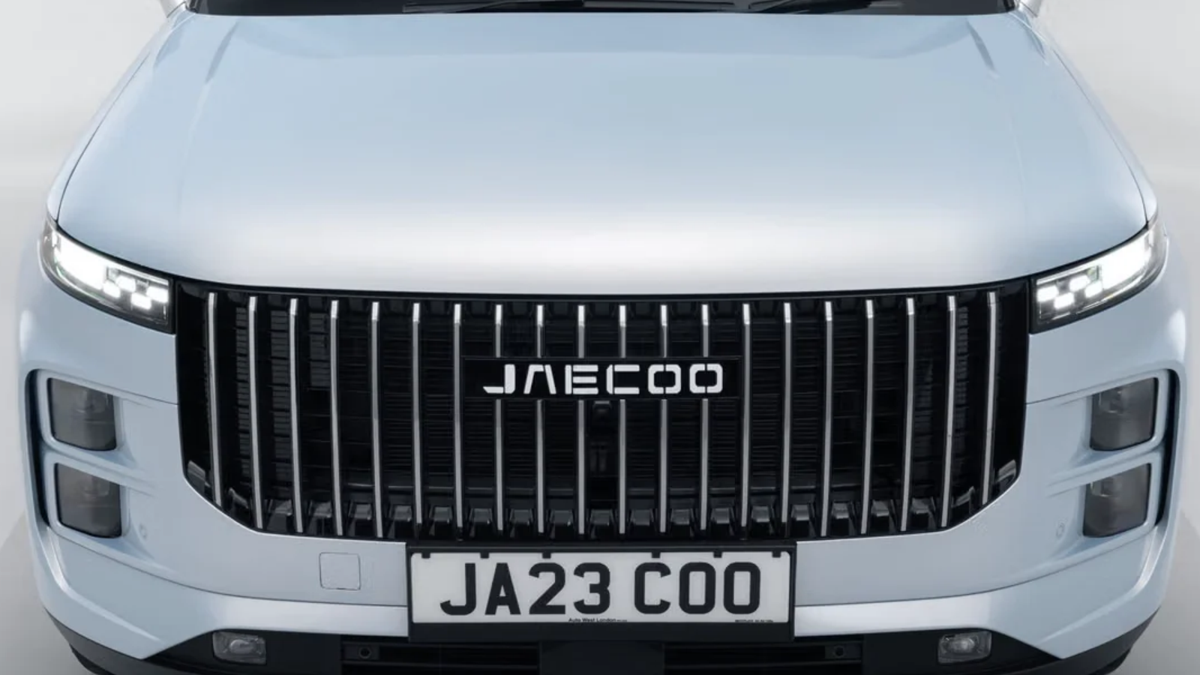
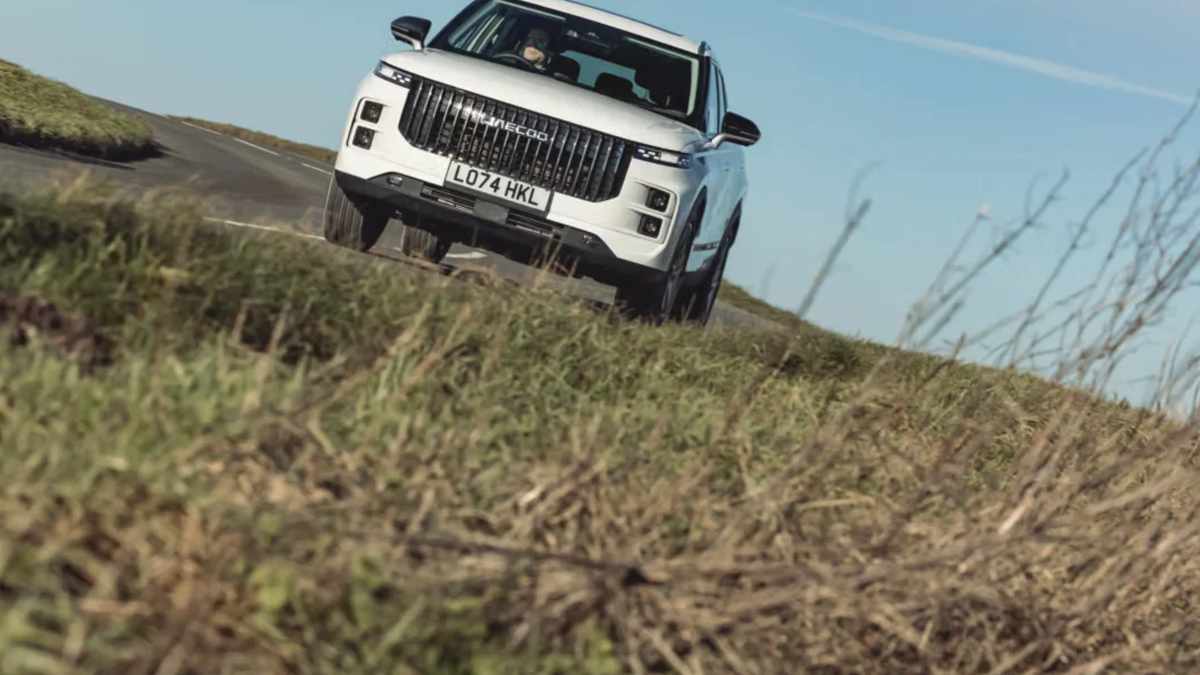
This growing presence was reflected in the U.K.’s September sales report from the Society of Motor Manufacturers and Traders (SMMT), which showed the Jaecoo 7 topping the list with 10,814 registrations. The Tesla Model 3 ranked second with 9,929, followed by the Ford Puma (6,958), Kia Sportage (6,521), and Tesla Model Y (5,946). It was the second time this year that the Chinese SUV ranked first in the U.K., following its March sales triumph.
Why Buyers Are Biting
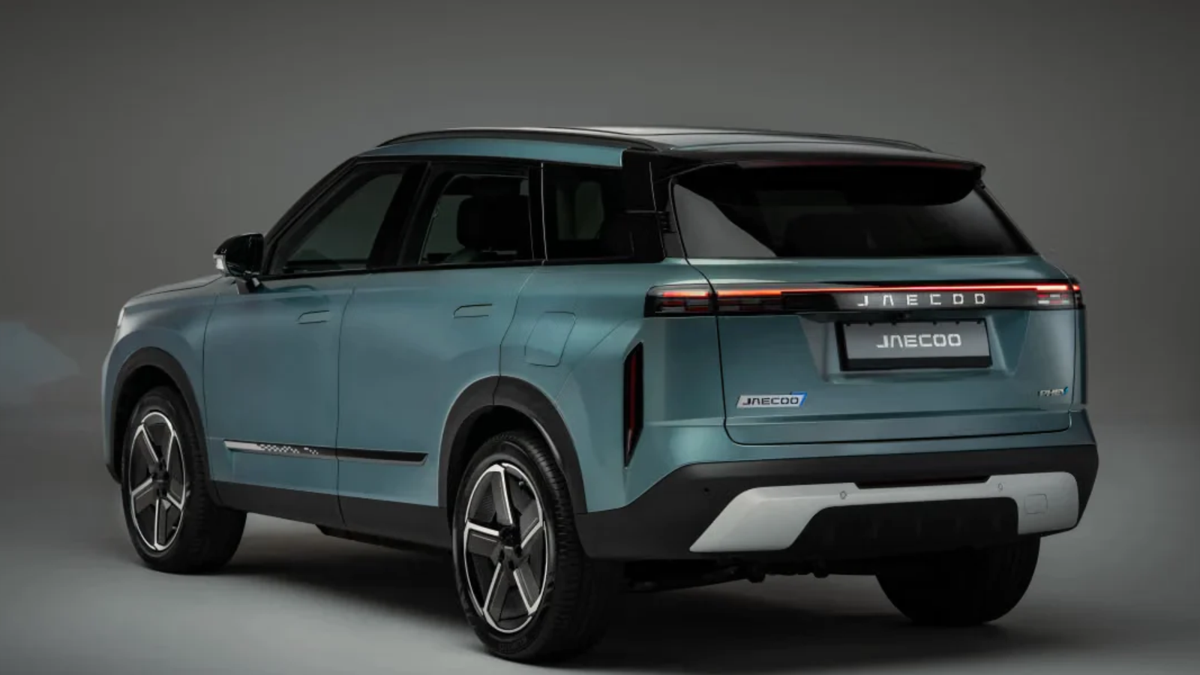
The Jaecoo 7 is a compact crossover offering competitive pricing, multiple powertrain choices, and upscale styling, earning it the nickname “Temu Range Rover.” The availability of gasoline, hybrid, and plug-in hybrid variants allows the model to appeal to buyers with different needs, particularly amid high fuel prices linked to the ongoing conflict in the Middle East, which has increased interest in electrified vehicles.
Jaecoo is also a sub-brand of Chery, which plans to expand its presence in Europe. One possibility is manufacturing vehicles at Nissan’s Sunderland plant in the U.K., potentially including the Jaecoo 7. Such a strategy could help Chery reduce its exposure to future trade barriers.
With a starting price of £29,210 (about $38,800) for the hybrid version, the Jaecoo 7 undercuts several competitors, including the Kia Sportage Hybrid, which starts at £34,895 (about $46,300). The Jaecoo 7 PHEV also undercuts the Toyota RAV4 PHEV by £9,025 (about $12,000), starting at £35,170 (about $46,700).
Too Cheap to Ignore?
That suggests competitive pricing can help overcome concerns about unfamiliar brands. Studies, including one from Cox Automotive, support this, finding that some American buyers would consider Chinese vehicles if the price were low enough. This is particularly relevant as the average new-car transaction price in the U.S. reached $50,562 in September.
So far, Chinese brands remain largely absent from the U.S. market, even as they expand into Canada and Mexico. Ford believes they could arrive within the next decade, while President Donald Trump has expressed openness to Chinese automakers building vehicles locally and hiring American workers. Although their arrival in the U.S. remains uncertain, their continued growth worldwide offers a glimpse of the competition American automakers could eventually face.