From Prompt to Physical Reality
A viral YouTube video completely shatters expectations about what modern software can do in the garage. The footage documents the YouTube channel Lets Learn Something, which uses artificial intelligence to calculate the exact geometry for a custom engine block. Before breaking down the details, it is worth noting that the video actually showcases a “Square Four” engine rather than a Boxer. A Square Four design arranges the cylinders in a distinct square formation rather than in horizontally opposed banks.
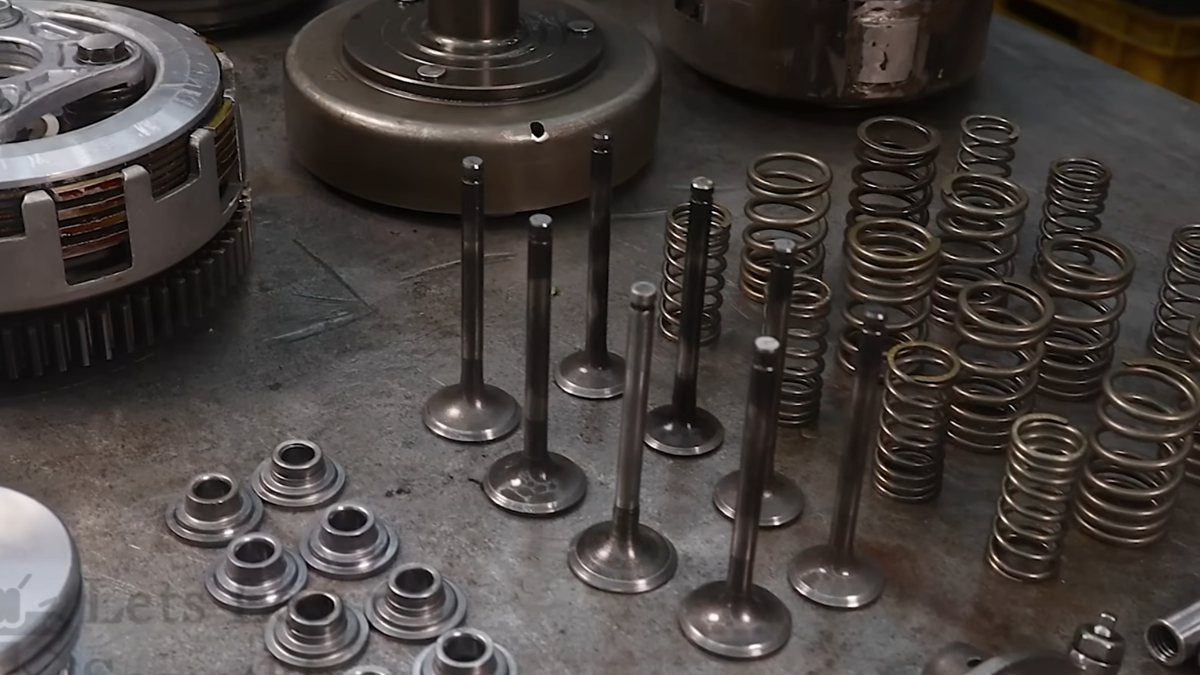
The builder refused to leave this experiment inside a computer screen. He sourced four junked scrap crankcases, cylinder heads, liners, and crankshafts to begin the build. He meticulously cleaned and machined the metal to match the precise specifications generated by the software. This required immense fabrication skills. He used heavy welding and custom metal plates to permanently fuse the broken scrap parts into one unified engine block.
The Frankenstein Fabrication Process
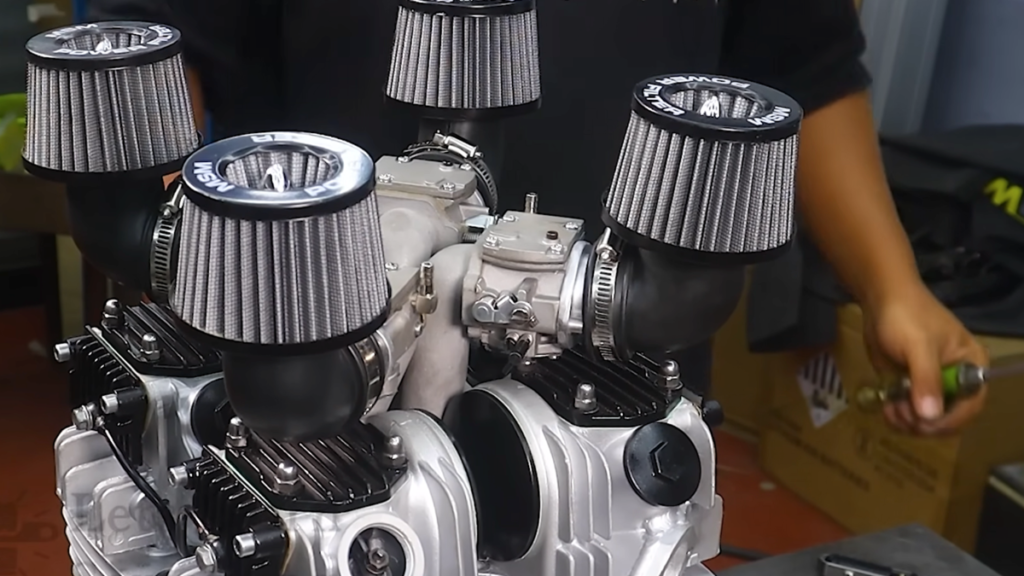
The creator acted as the ultimate translator between software code and raw steel. He plumbed custom pipes, fitted throttle bodies, and dropped the pistons into the cylinders by hand. Installing the four-speed transmission and drivetrain gears was the hardest part of the entire project. Getting those bearings properly aligned was a massive hurdle. It proved incredibly satisfying once the complex internal gearing finally clicked together and spun freely.
This rapid garage prototyping mirrors massive structural shifts happening across the wider automotive sector. Big legacy brands are completely rethinking their manufacturing workflows. We see this trend as major automakers like Nissan are slashing development timelines to stay competitive. Global markets are also shifting rapidly toward digital integration. Chinese car companies are racing to turn vehicles into highly intelligent rolling computers. Yet, the raw mechanical assembly in this video feels refreshingly analog.
The real magic happened when oil and gas finally entered the system. The creator cranked the custom motor and manually tweaked the vacuum, timing, and air intake to hold a steady idle. Without a tailpipe, the engine was violently loud inside the shop. It was unrefined and angry, but it worked perfectly. Interestingly, the deafening roar of that homebuilt engine is another data point today, as machine learning tools diagnose mechanical issues via audio signatures.
YouTube/Lets Learn Something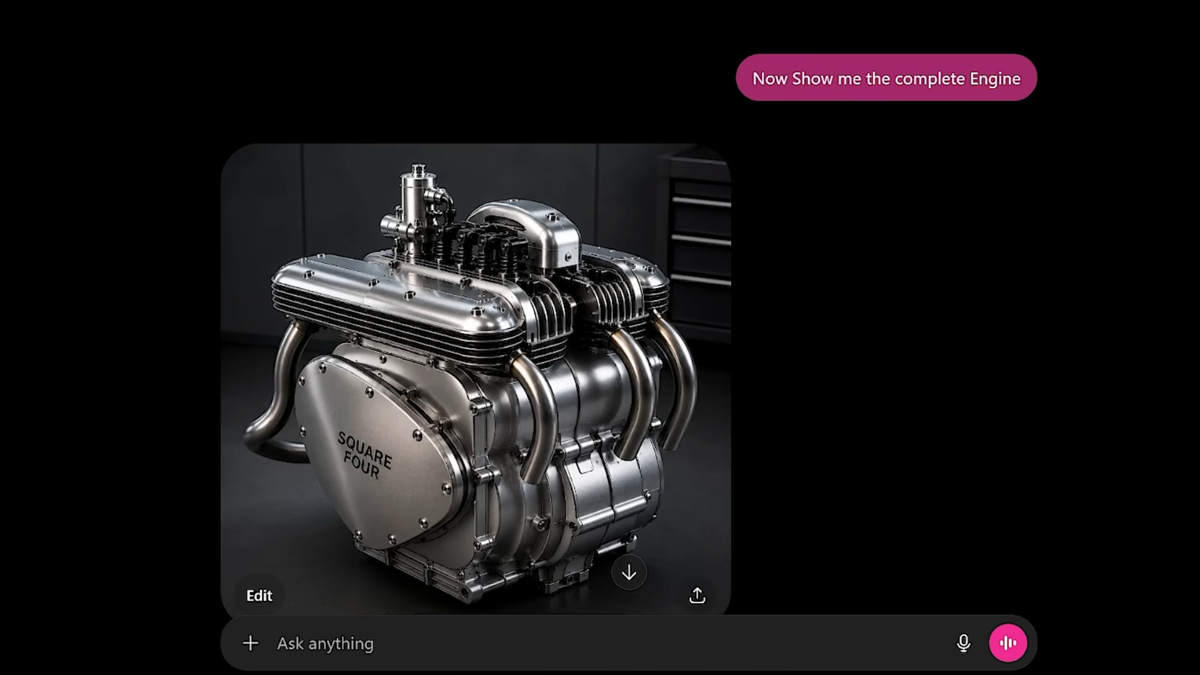
The Lowdown
Analyzing this project makes one reality perfectly clear for the automotive community. Algorithms can calculate perfect mathematical tolerances on a screen, but they cannot replace the physical sweat and intuition of a master fabricator. Digital design is an incredible asset for the modern builder, but physical execution remains a strictly human domain.
The corporate sector is learning this exact lesson right now. Ford executives recently realized that over-relying on automation rather than experienced human talent is a costly mistake, as veteran engineers are still desperately needed to fix complex design flaws. Artificial intelligence is a powerful new tool in the garage. You still need skilled human hands to actually wield the wrench.
YouTube/Lets Learn Something