- Electric vehicles account for just 1.6 percent of new car sales in Japan.
- A slew of generous subsidies aims to boost demand for EVs in the country.
- Local subsidies in Tokyo vary depending on the make of the EV or hybrid.
Tokyo’s metropolitan government wants more residents behind the wheel of electric cars, and it’s rolling out fresh purchase subsidies worth as much as 1.3 million yen ($8,160) per vehicle to make it happen. How much a buyer actually pockets depends on which manufacturer built the car. Both individuals and businesses are eligible for the program, with no limit on the number of vehicles that can qualify.
Under the new scheme, subsidies for EVs and hybrids each climb by 300,000 yen ($1,880), pushing them to 1.3 million yen ($8,160) and 1.15 million yen ($7,220) respectively. Tokyo is keeping several existing incentives on the table too, among them a 100,000 yen ($620) payout for cars that come with vehicle-to-load capability.
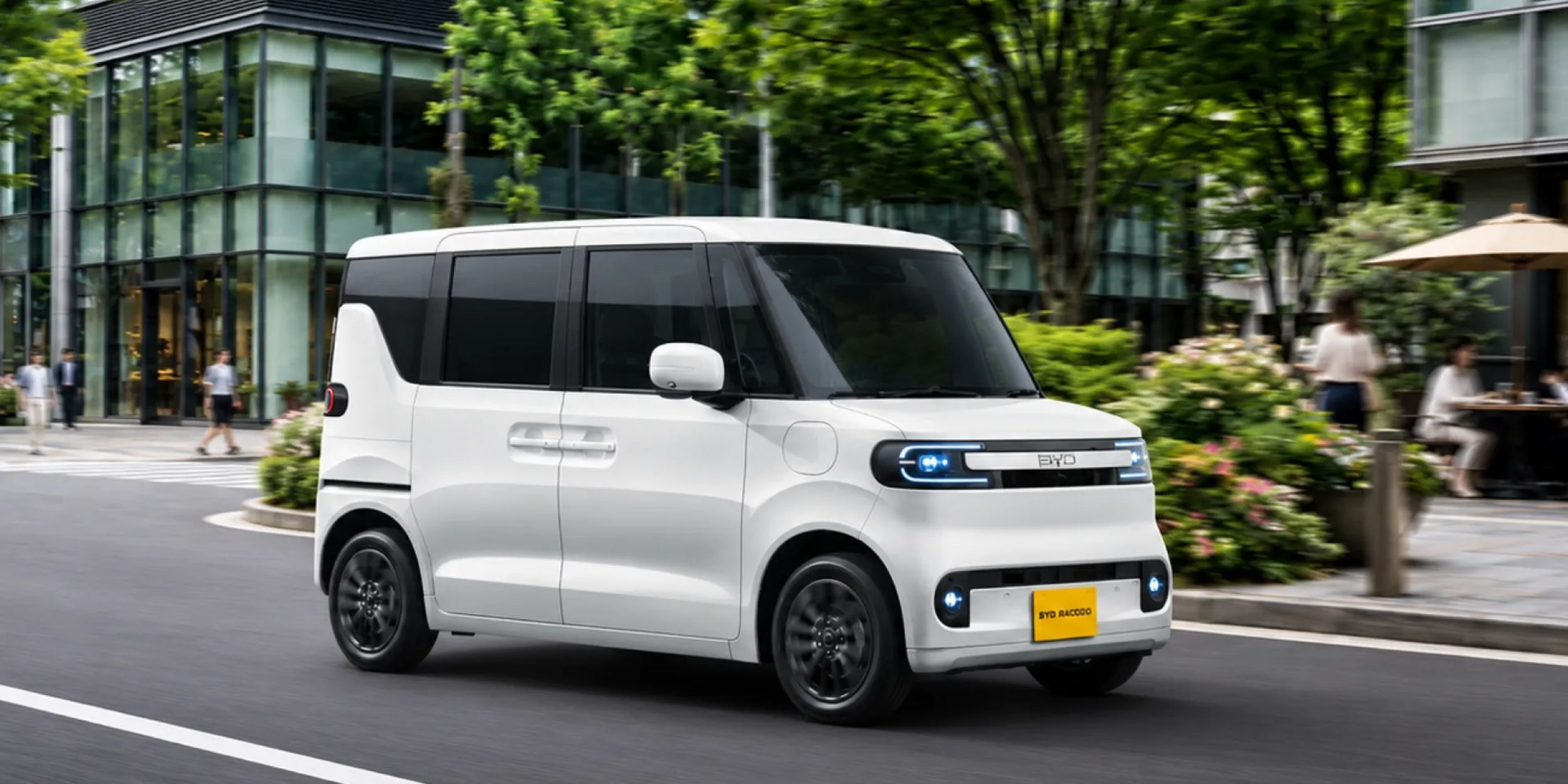
Read: BYD’s Kei EV Has The Lowest Sticker In Japan And The Highest Price On The Road
On top of that, a 100,000-yen ($620) subsidy covers the installation of charging and discharging equipment, and another 150,000 yen ($940) goes to anyone signed up with an electricity provider running on 100 percent renewable energy. EV and hybrid buyers can qualify for a further 300,000 yen ($1,884) if their home or workplace uses solar power.
Not All Brands Are Treated Equally
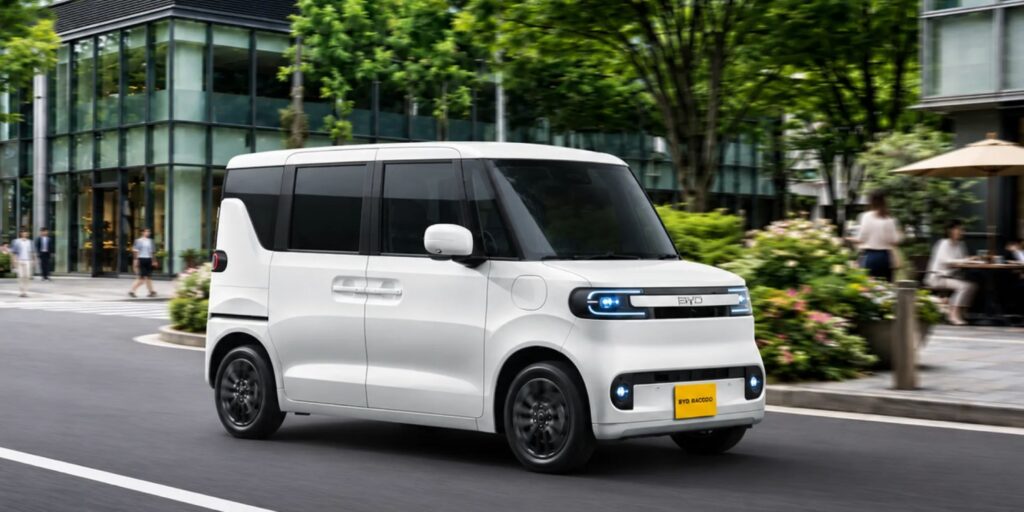
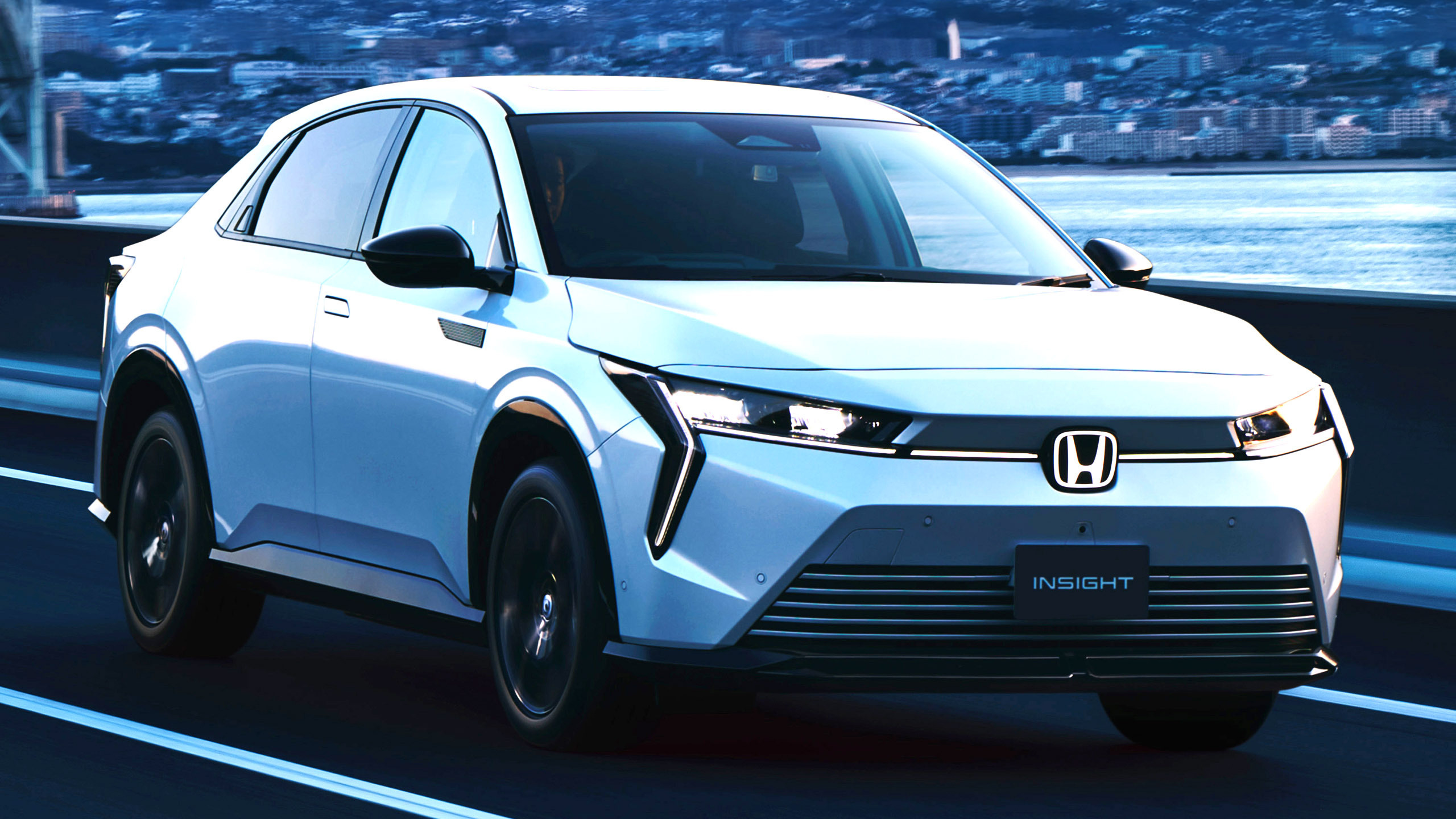
Those wanting to maximize their savings will need to carefully decide which brand they want to buy a new EV or hybrid from. According to a report from Nikkei Asia, Toyota, Nissan, and Honda models are all eligible to receive a 400,000-yen ($2,510) subsidy, while this incentive drops to 300,000 yen ($1,880) for models from Mitsubishi, BMW, Mercedes-Benz, and Tesla. Vehicles from BYD can only receive a 100,000-yen ($620) subsidy. Daihatsu models currently receive no additional manufacturer-based subsidy.
Additional incentives are offered depending on vehicle sales. For example, manufacturers who have sold at least 60 new zero-emission vehicles in Tokyo prefecture in 2025 can get an additional subsidy. An incentive worth up to 200,000 yen ($1,250) is also available as part of a “green transformation category.”
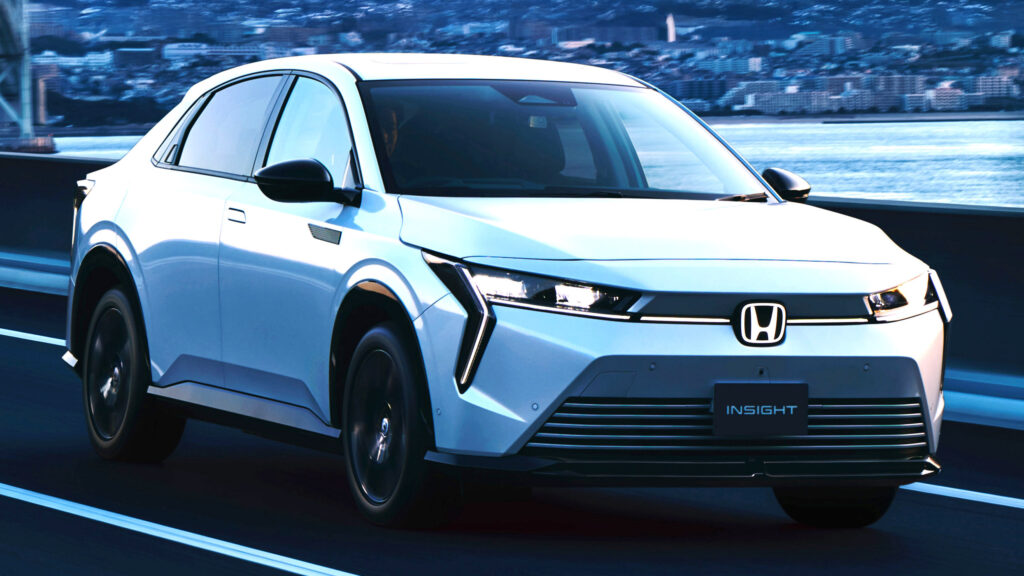
These incentives can be stacked with those offered by Japan’s federal government, which also offers incentives valued at up to 1.3 million yen ($8,160). However, like the savings offered in Tokyo, those from the federal government vary, with vehicles using Japanese batteries eligible for the most significant savings. By comparison, those from BYD get a minimum subsidy of 150,000 yen ($940). That creates a 1.15 million yen ($7,220) gap between BYD and models qualifying for the maximum national subsidy.
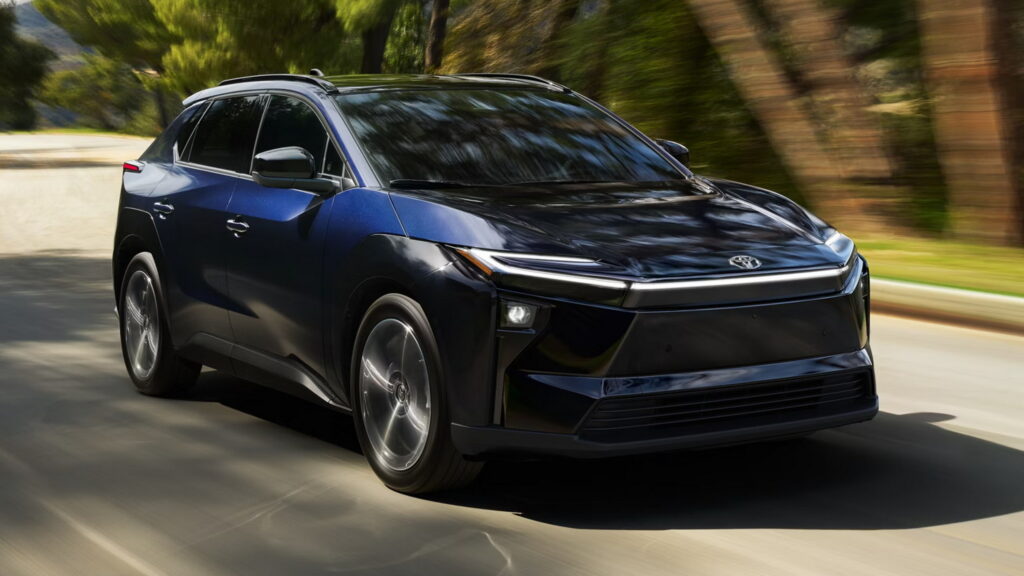
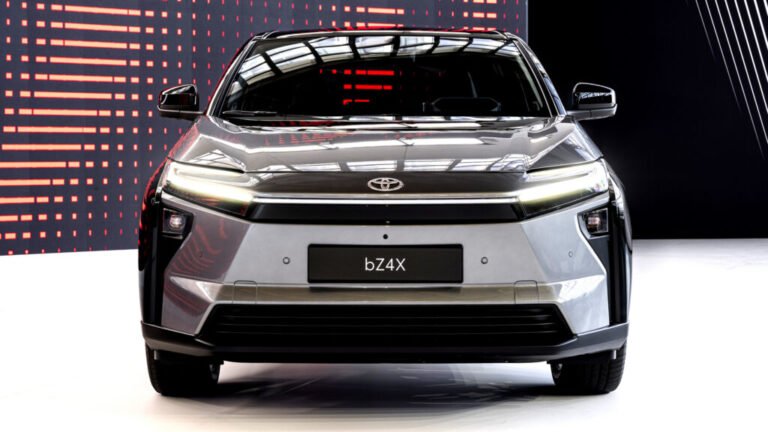
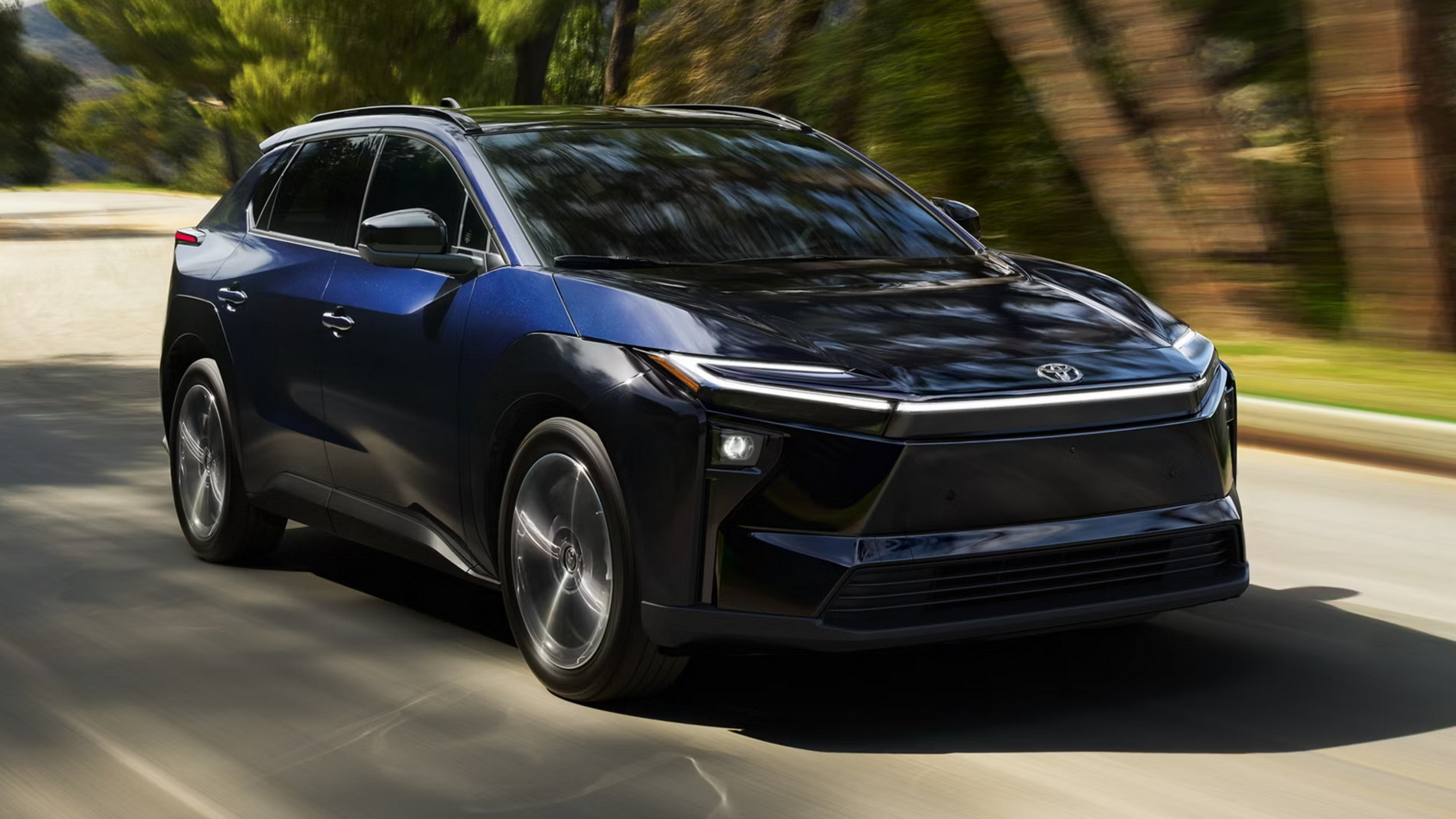
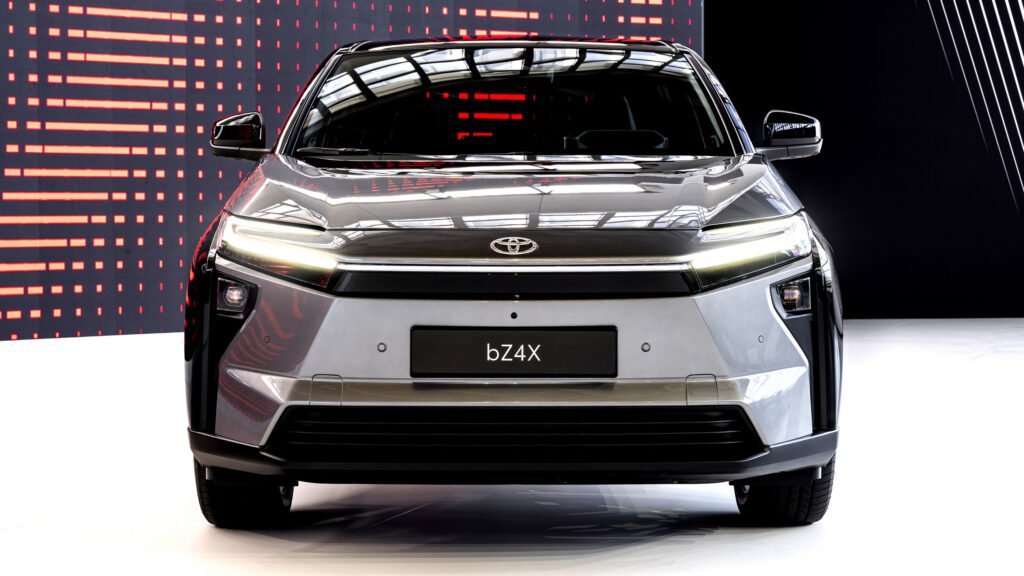
Toyota’s bZ4X is among the models that qualify for the full 1.3 million yen ($8,160) national subsidy. Stack that on top of Tokyo’s maximum incentive and the total discount could hit 2.6 million yen ($16,320), trimming the car’s 4.8 million yen ($30,150) sticker to roughly 2.2 million yen ($13,820).
It is hoped these subsidies will help encourage EV sales across the country. Due in large part to the price differential between EVs and combustion-powered cars locally, EVs accounted for just 1.6 percent of Japan’s new car market in 2025.
Tesla Expects A Rush
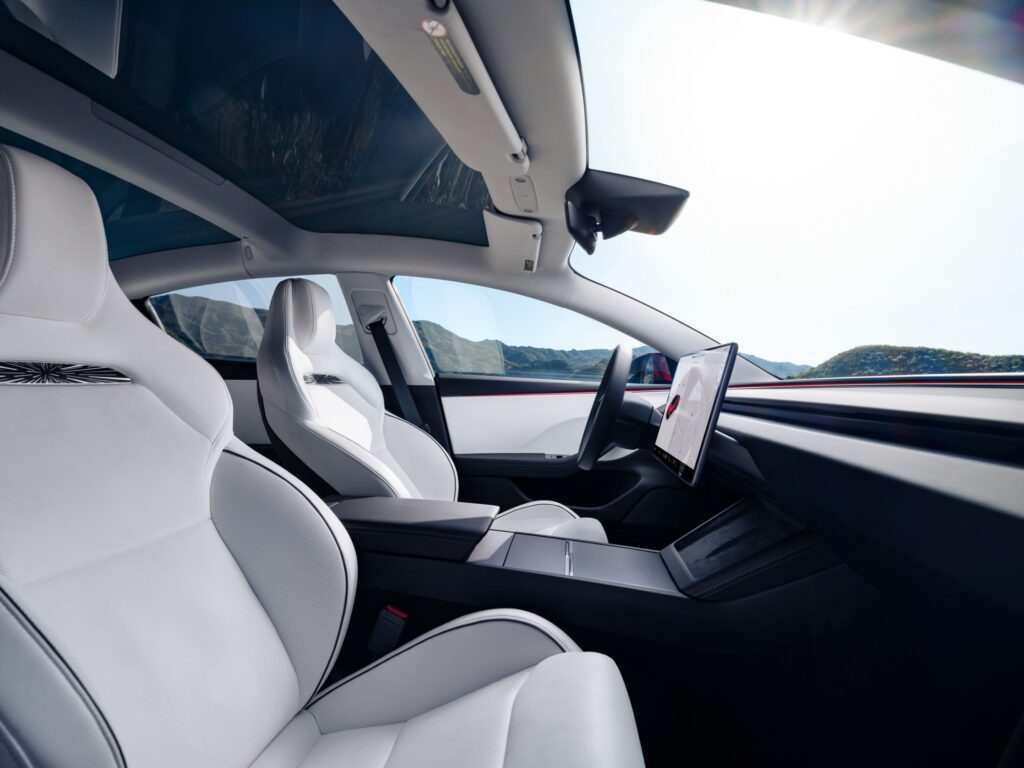
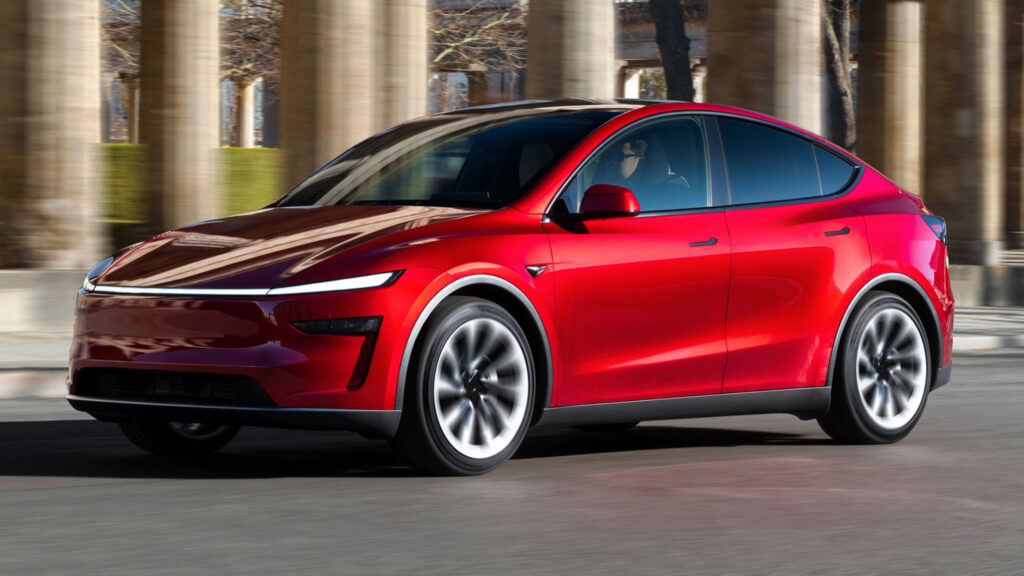
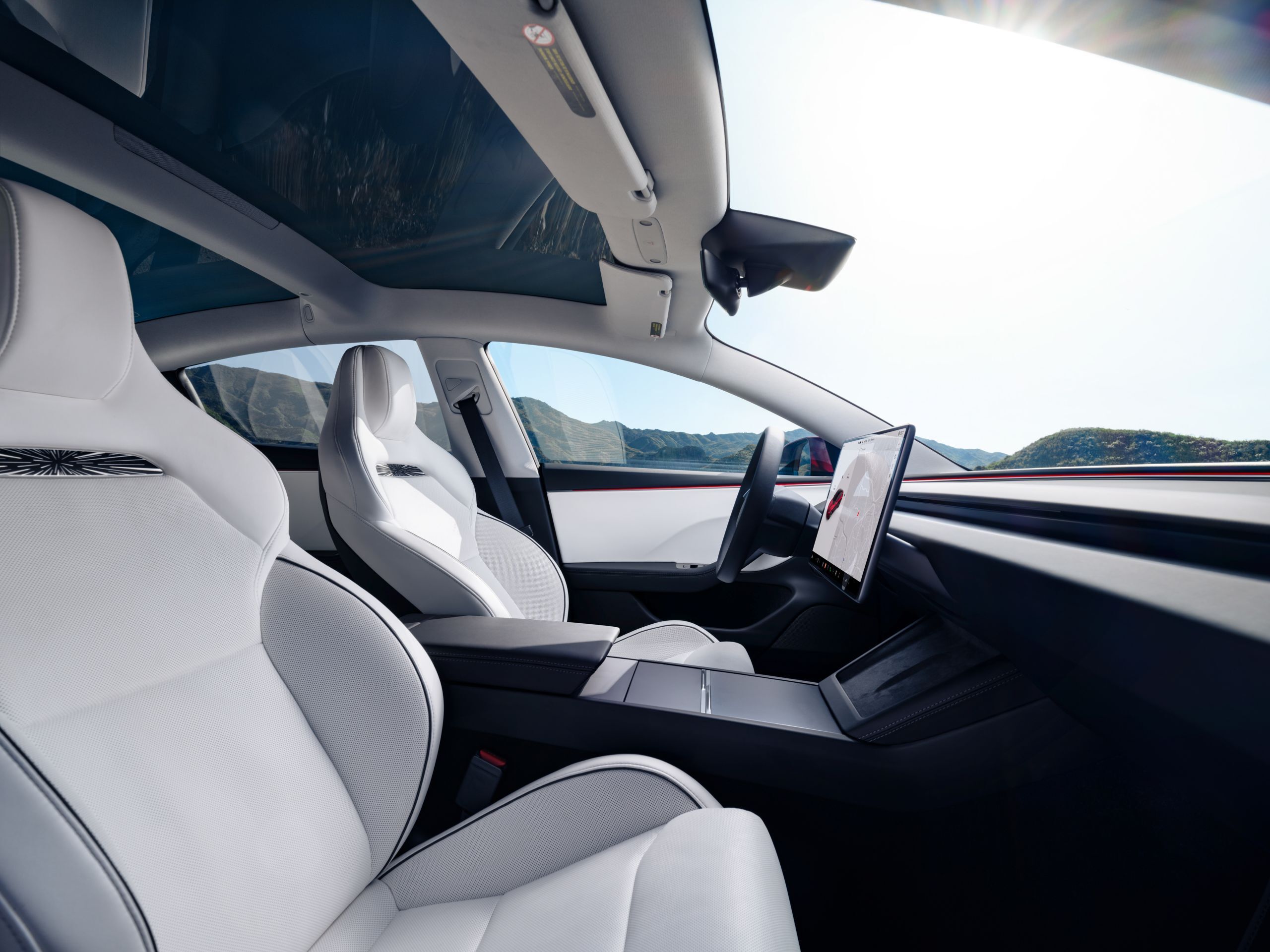
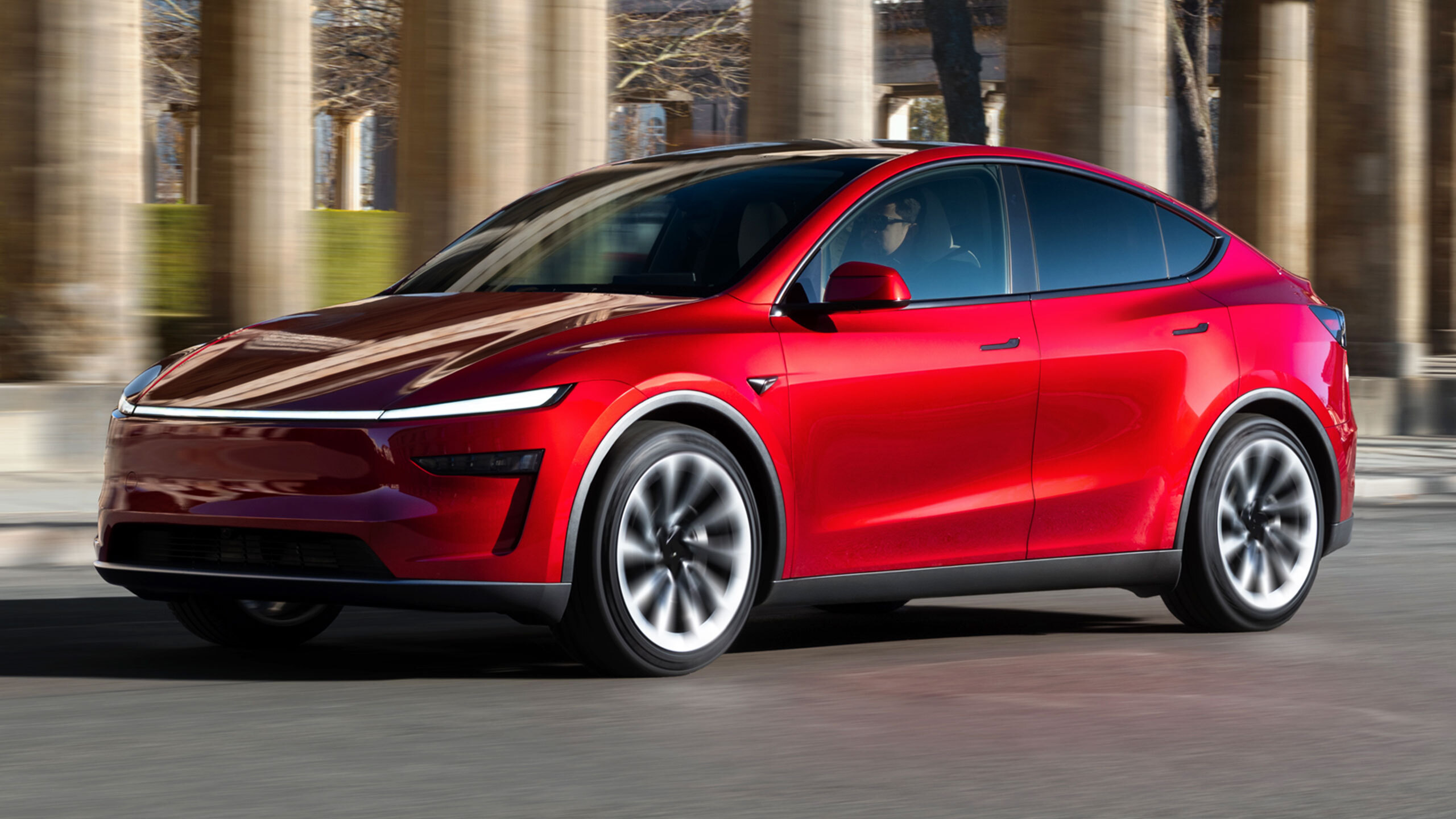
Thanks in part to these subsidies, Tesla is preparing for a surge in demand for its vehicles. The automaker sold more than 10,000 vehicles in Japan in 2025, comfortably beating its previous record of roughly 5,900 in 2022, reports Nikkei Asia. Demand has accelerated further this year, with around 12,000 vehicles sold in the first six months of 2026 alone. Tesla has also stopped selling its traditional premium models, including the Model S, to focus on the mass-market Model 3 and Model Y.
Handling that kind of growth takes infrastructure, so Tesla is growing its delivery network from seven locations to 11 by the end of the year. The automaker has also doubled its potential import capacity to roughly 48,000 vehicles a year, which leaves plenty of headroom above even this year’s accelerated pace.