Trucks and SUVs may dominate U.S. car sales, but a small sedan is generally much more affordable to buy and run. They’re also lighter on gas, a key consideration as gas prices have jumped substantially in 2026. That brings us to the Toyota Corolla, Honda Civic, and Mazda 3, three of the most reliable Japanese sedans on sale. But which one of these three is the safest if the worst happens? Based on the 2026 ratings from the Insurance Institute for Highway Safety, we’ll compare these three cars based on crash worthiness and crash prevention.
Related: Honda CR-V Vs. Nissan Rogue Vs. Hyundai Tucson: Which SUV Is The Safest?
Crashworthiness: Mazda Takes The Lead
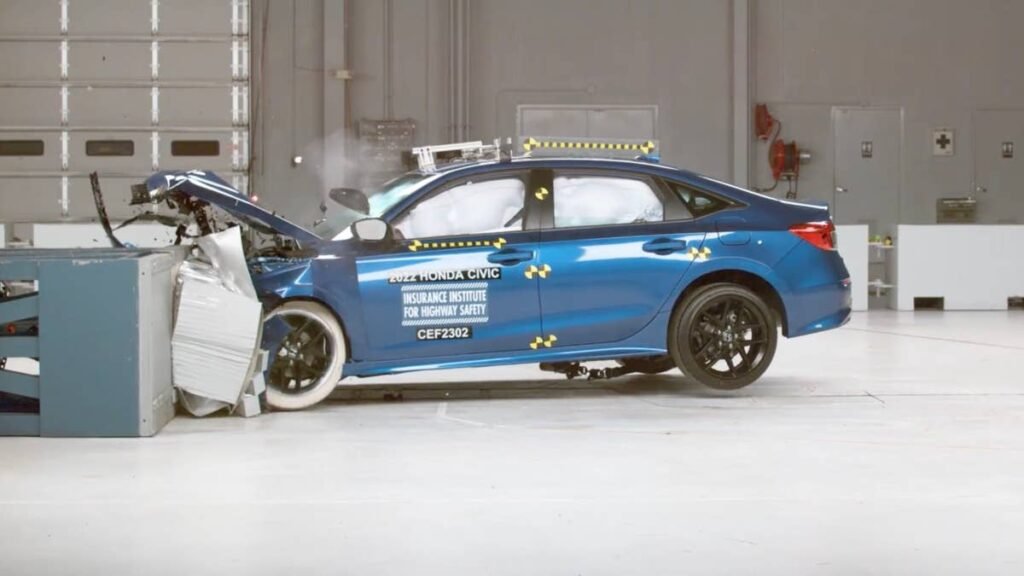
In the crashworthiness category, the IIHS runs three different crash tests. In the small overlap front, a collision with the front corner of the vehicle is tested. The moderate overlap front involves an offset crash between two cars, while the side impact tests evaluate the structural integrity of the side of a vehicle. Ratings of Good, Acceptable, Marginal, or Poor are assigned for each test.
|
Mazda 3 |
Honda Civic |
Toyota Corolla |
|
|
Small Overlap Front |
Good |
Good |
Good |
|
Moderate Overlap Front |
Good |
Acceptable |
Not Tested |
|
Side |
Good |
Good |
Not Tested |
The Corolla wasn’t evaluated for two of the three tests, while the Civic was marked down in the moderate overlap front test for issues with the rear passenger restraints and dummy kinetics. Only the Mazda achieved Good ratings in all three tests. It’s also the only one of these three to attain the Top Safety Pick+ award from the IIHS, which indicates high safety scores in all key tests.
Related: Honda Civic vs. Accord vs. CR-V: Which Is Safest?
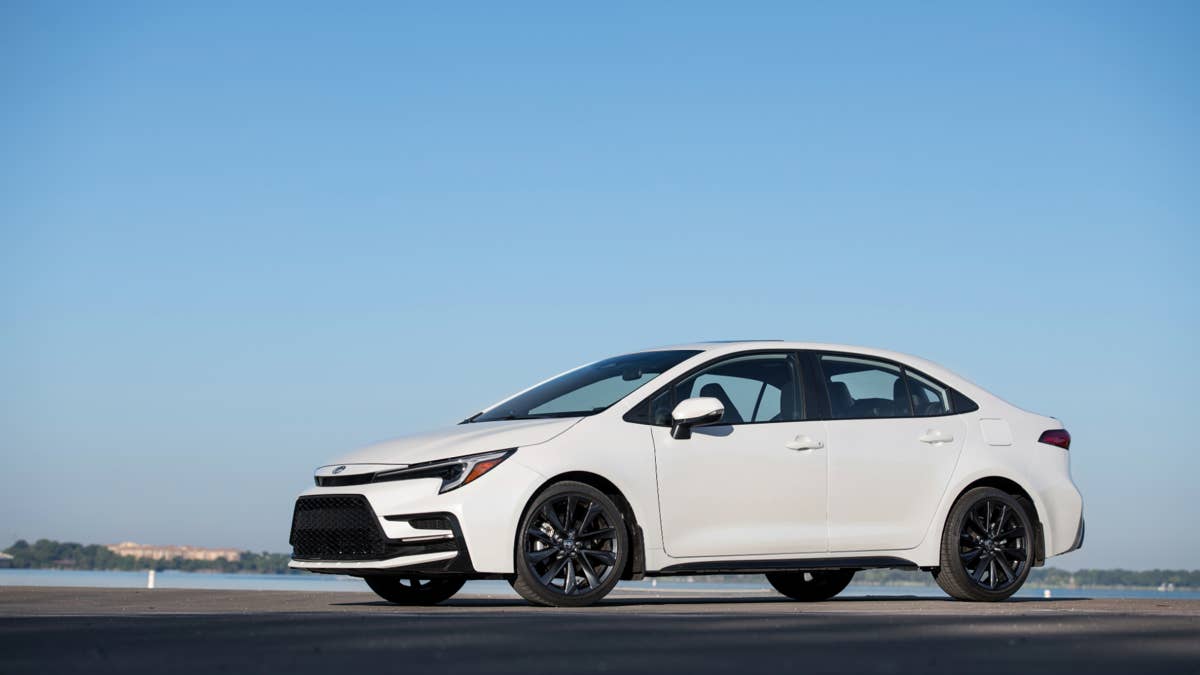
Crash Prevention: Toyota Shines
Toyota
The only thing better than a car that protects you in a crash is one that can help you avoid a crash in the first place. These tests evaluate crash prevention between two cars and between a car and pedestrian. A headlight rating is also provided.
|
Mazda 3 |
Honda Civic |
Toyota Corolla |
|
|
Headlights |
Good and Acceptable (trim-dependent) |
Good |
Good |
|
Front Crash Prevention (Vehicle-to-Vehicle) |
Acceptable |
Acceptable |
Good |
|
Front Crash Prevention (Pedestrian) |
Good |
Acceptable |
Good |
The Honda is the newest car between these three, so it’s surprising that the others outperformed it in crash-prevention tests. It was also the only car with a Marginal rating for the seatbelt reminder system. The Corolla was the best, with a spread of only Good ratings. It was the only car here to avoid a collision with another vehicle at all tested speeds.
The Mazda’s standard headlights were rated as Acceptable; you need to spend a lot more on a top trim if you want Good-rated headlights. The others have Good ratings for their headlights, regardless of trim.
Final Verdict: Mazda Wins, Honda Trails
Mazda
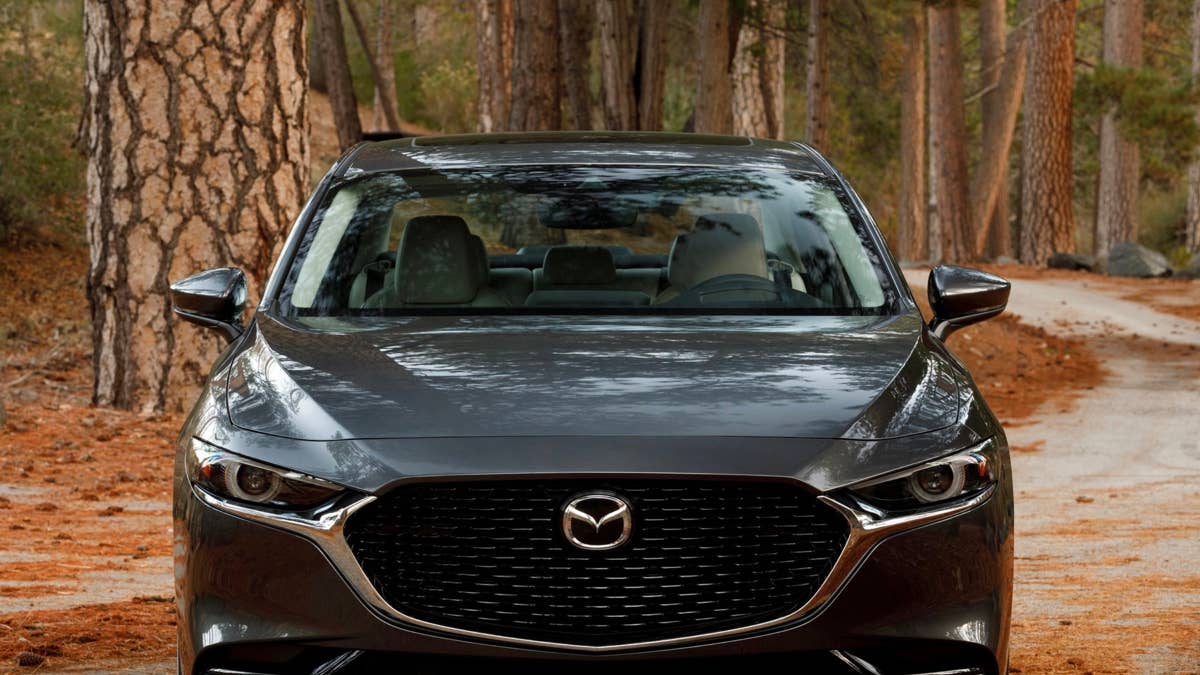
All three cars provide a level of crash protection and prevention that’s now expected from a modern vehicle—even a small, light sedan. The Mazda is the best at protecting occupants in a crash, while the Toyota leads for crash prevention. The Honda didn’t win in any category, so there’s room for improvement.
Overall safety goes to Mazda for now, as it’s the only model here with a Top Safety Pick+ award. However, if the Corolla aces its remaining crash tests, it will also qualify for this award.
Related: Mazda Just Took Volvo’s Safety Crown, Says Consumer Reports