The three-row midsize crossover is the ideal vehicle for many American families. Some models are capable of seating up to eight occupants, you get better towing abilities than in a minivan, and there are a wide range of models to choose from. The Toyota Highlander, Honda Pilot, and Mazda CX-90 are three of the most trusted options in this category, but which one should you trust the most to keep your family safe? We’ve turned to the latest safety ratings from the Insurance Institute for Highway Safety (IIHS) to find out. These ratings are based on 2026 models.
Related: Honda CR-V Vs. Nissan Rogue Vs. Hyundai Tucson: Which SUV Is The Safest?
Crashworthiness: Mazda Shines
The IIHS evaluates the crash integrity of all vehicles in three major tests:
- Small Overlap Front (a collision involving the front corner of a vehicle)
- Moderate Overlap Front (an offset crash between two vehicles)
- Side (side-impact test)
In each category, a vehicle receives a rating of Good, Acceptable, Marginal, or Poor. These can make or break a vehicle’s ability to attain a coveted Top Safety Pick or Top Safety Pick+ award from the IIHS. Here’s how the three Japanese crossovers performed.
|
Toyota Highlander |
Honda Pilot |
Mazda CX-90 |
|
|
Small Overlap Front |
Good |
Good |
Good |
|
Moderate Overlap Front |
Marginal |
Acceptable |
Good |
|
Side |
Good |
Good |
Good |
The Toyota and Honda struggled to varying degrees in the safety authority’s latest moderate overlap front test, automatically ruling them out of a safety award. The Highlander was especially disappointing, with the rear passenger restraints and dummy kinematics achieving only a Marginal score. There was also an increase in head and neck injuries for rear passengers in this test. The Pilot was a bit better, but still stopped short of a Good rating.
The Mazda was the only one of the three to achieve perfect ratings in all three tests. It’s also alone in qualifying for the top IIHS accolade, the Top Safety Pick+ award. This adds to Mazda’s growing reputation as having one of the safest car lineups on the market right now.
Related: Mazda Just Took Volvo’s Safety Crown, Says Consumer Reports
Crash Prevention: No Red Flags For Any Model
2025 Mazda CX-90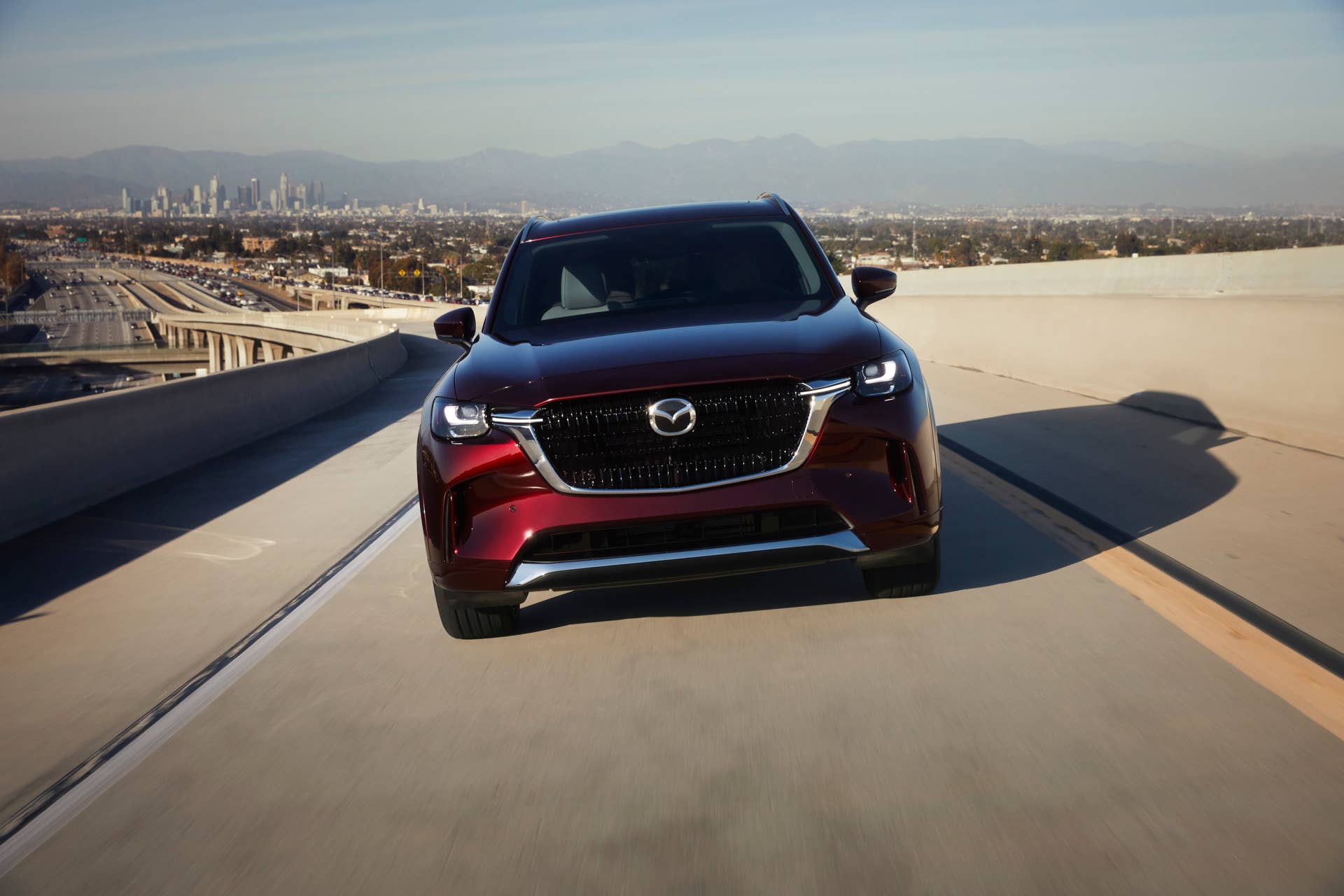
A modern vehicle must also help the driver avoid a collision from occurring in the first place. Here, the IIHS tests the headlights, as well as the ability to avoid a crash between another vehicle and a pedestrian.
|
Toyota Highlander |
Honda Pilot |
Mazda CX-90 |
|
|
Headlights |
Acceptable/Good (depends on trim) |
Good |
Acceptable/Good (depends on trim) |
|
Crash Prevention (vehicle-to-vehicle) |
Not Tested |
Not Tested |
Acceptable |
|
Crash Prevention (pedestrian) |
Good |
Good |
Good |
In these three tests, every SUV earned a Good rating for pedestrian crash prevention. Only the Mazda was tested for vehicle-to-vehicle crash prevention, where it managed to avoid a collision at most speeds; at higher speeds, the Mazda could only reduce its speed but was unable to avoid a collision entirely.
The Honda is the only one with Good-rated headlights, regardless of the trim. If it earns a Good rating in vehicle-to-vehicle crash prevention, it will be the best of the three in this category.
Related: Toyota Corolla Vs. Mazda 3 Vs. Honda Civic: Which Is Safest?
Final Verdict: Mazda Bests Its Rivals
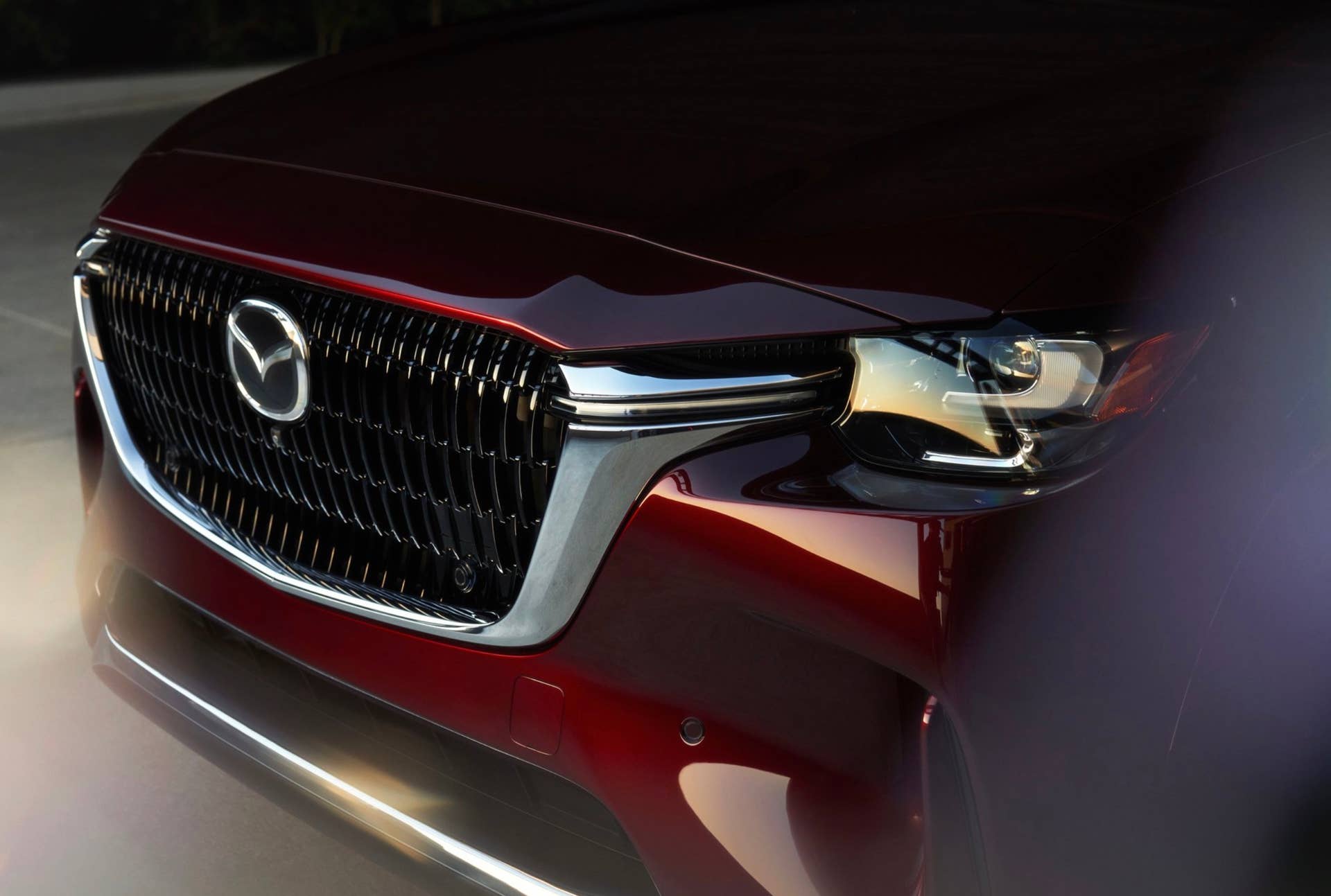
Mazda
While some crash-prevention results are still unknown, Mazda currently ranks as the safest of these three crossovers. It has the best crash protection in the moderate front overlap test and is the only vehicle to qualify for a Top Safety Pick+ award. Crash prevention between the three vehicles is more even, based on the tests that have been conducted so far.
The Toyota and Honda are still safe SUVs, but crash-safety tests have steadily become tougher, so the older designs of these two models have been shown up in the moderate front overlap tests.