More production changes caused by tariffs
Japanese automaker Toyota is rethinking production of models sold under its popular Lexus luxury brand, as it seeks to adjust U.S. production in light of U.S. tariff concerns. According to a new report published by Nikkei Asia, the Toyota City-based automaker is reducing the number of facilities where Lexus vehicles will be made. Currently, Toyota makes two Lexus models in the United States in two different midwestern facilities: the midsize, Camry-related ES sedan in Kentucky and the Grand Highlander-based TX SUV in Indiana.
According to sources who spoke with the Japanese business publication, Toyota plans to cease Kentucky production of the Lexus ES sedan after fulfilling orders of the current model. A new generation of ES, powered either by a gasoline or electric powertrain, will be exported from Japan when it hits dealers in 2026.
Toyota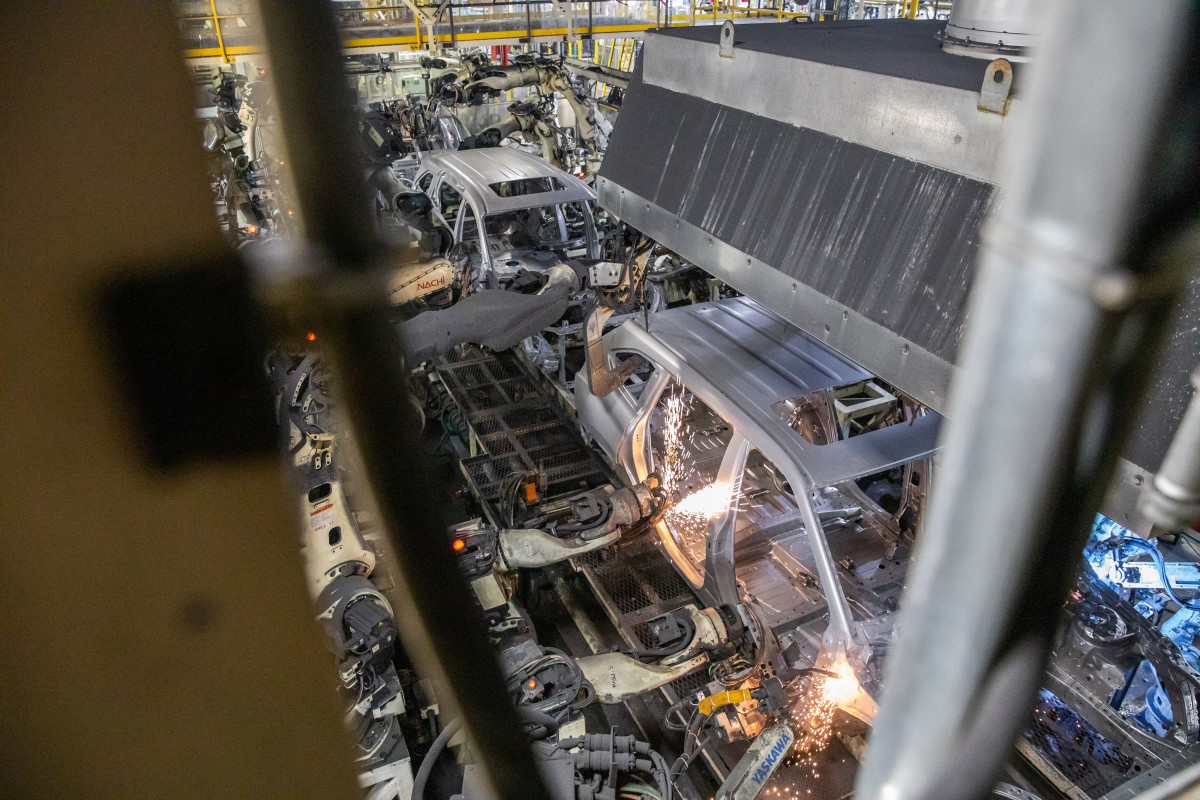
Following this change, Toyota Motor Manufacturing Indiana (TMMI) will be the sole plant in the United States that will make Lexus models. Toyota will continue producing Lexus models across the Northern border at its plants in Cambridge, Ontario. Currently, it produces its most popular Lexus vehicle, the RX crossover SUV, as well as the compact Lexus NX, at two facilities controlled by Toyota Motor Manufacturing Canada.
“We select appropriate production sites in accordance with price ranges,” Toyota’s U.S. division said in a statement to Nikkei Asia.
Toyota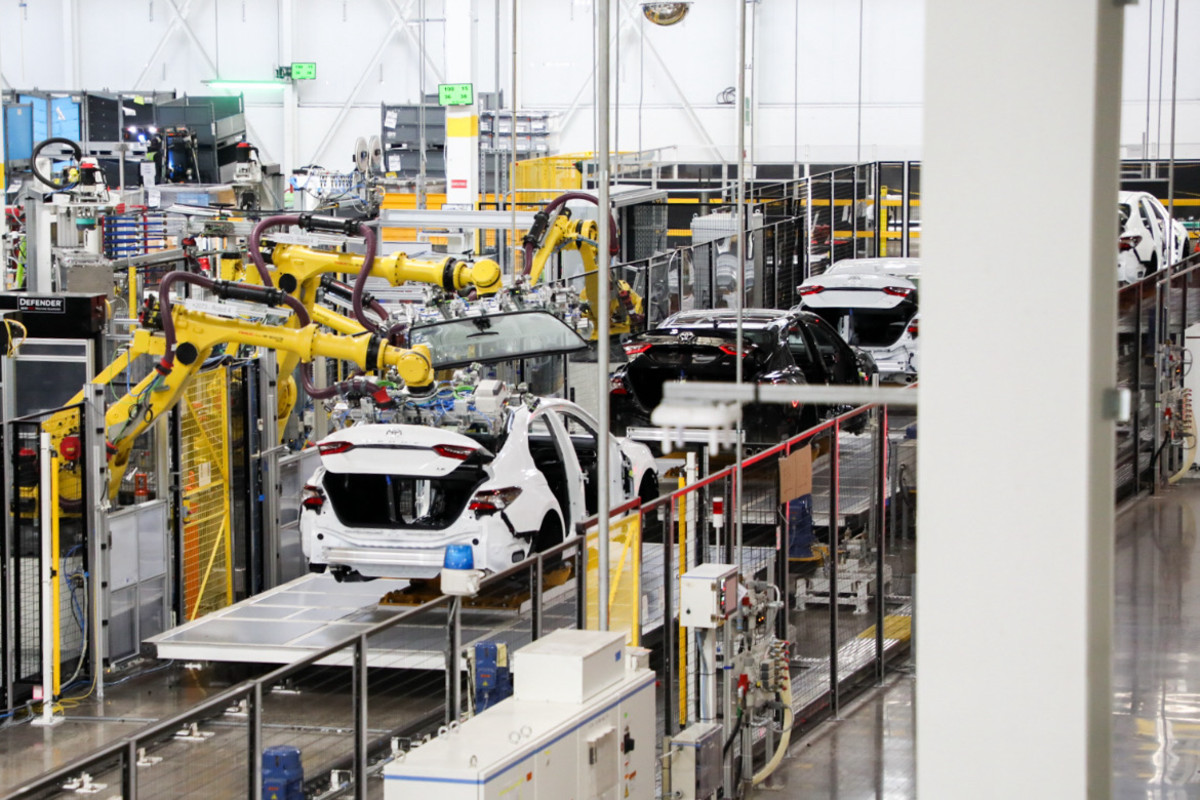
It’s all about the hybrids
The production shift comes amid a major transformation of the Lexus lineup. Next year, new ES sedans are expected to hit dealers in both gas and electric forms, while the compact IS sports sedan will get a major update for the 2026 model year.
However, the move to sunset Lexus ES production at Toyota’s Kentucky facility comes as part of an increased effort to bolster hybrid vehicle production in the U.S. According to Toyota, the Kentucky plant is one of the largest vehicle manufacturing plants in the world and is capable of producing 550,000 vehicles per year. Last year, it made 435,631 vehicles, with the bulk being the popular hybrid Camry sedans and RAV4 crossover, which enjoy a loyal base of support and strong sales in the United States. According to data from Toyota Motor North America, sales of the RAV4 rose by 20% to 42,311 units in August 2025, while the Camry saw sales gains of 14% to 28,523. By comparison, U.S. sales across the Lexus brand totaled 33,368 units during the same month.
Getty Images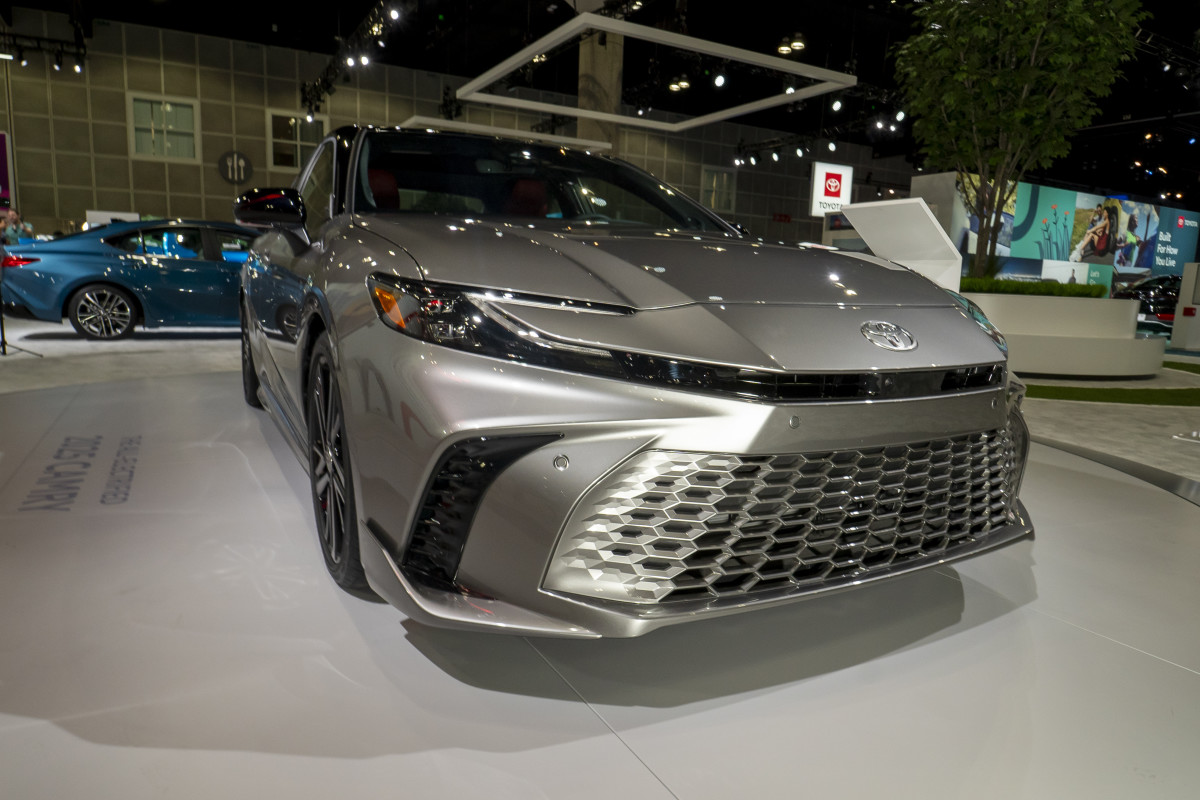
The Trump administration’s tariff-heavy trade policy is said to be the main motivator behind Toyota’s decision to relocate Lexus production, as Japanese automakers grapple with higher costs related to exporting cars from the land of the rising sun. Although President Trump has signed an executive order cementing import duties on imported Japanese cars at 15%, down from a previous 25%, it is multitudes higher than the 2.5% duty rate that Toyota and other Japanese automakers had gotten used to before the current administration.
Toyota expects these duties to stay, and is increasing U.S. production of key vehicles to match; though building new plants would prove to be both time-consuming and costly. It concludes that it can still profit from Lexus-branded cars even if some models are imported from Japan.
Final thoughts
It should be noted that Toyota is not alone in its efforts to localize production in light of the tariffs. Domestic rival Nissan, for instance, has moved some production of the Rogue crossover SUV stateside. In contrast, Honda has moved some CR-V production from Canada to the U.S. and is also weighing a decision to implement a three-shift schedule, including production on Saturdays and Sundays, to increase output.
These adjustments underscore how Japanese automakers are reshaping their strategies to weather tariff pressures and safeguard their profits and market share. While this can mean higher costs for consumers, the name of the game for automakers competing in the largest car market is survival of the fittest.