Import Tariffs
Tariffs have been the center of the automotive world for the past year. The current administration, in a bid to protect American-made cars and production facilities that give more jobs, raised tariffs on cars imported into the country.
While the “Trump Tariffs” have eventually been accepted and worked around, there are still looming threats to certain brands stemming from new decisions and production plans.
Toyota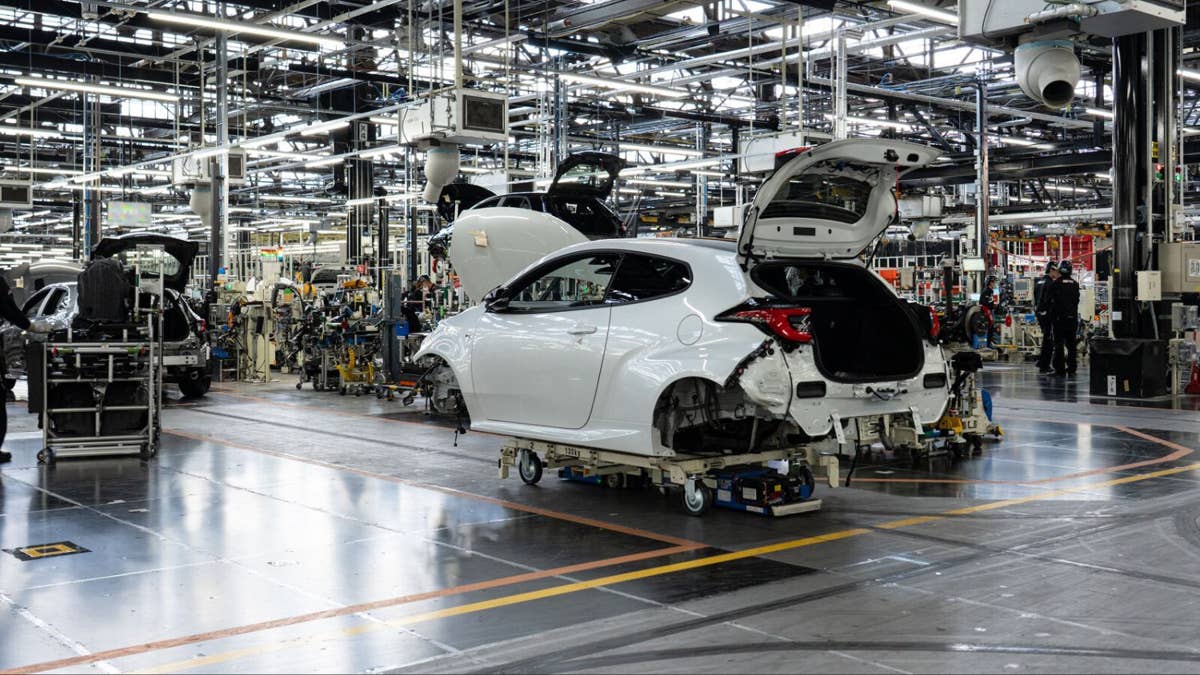
British GR Corolla
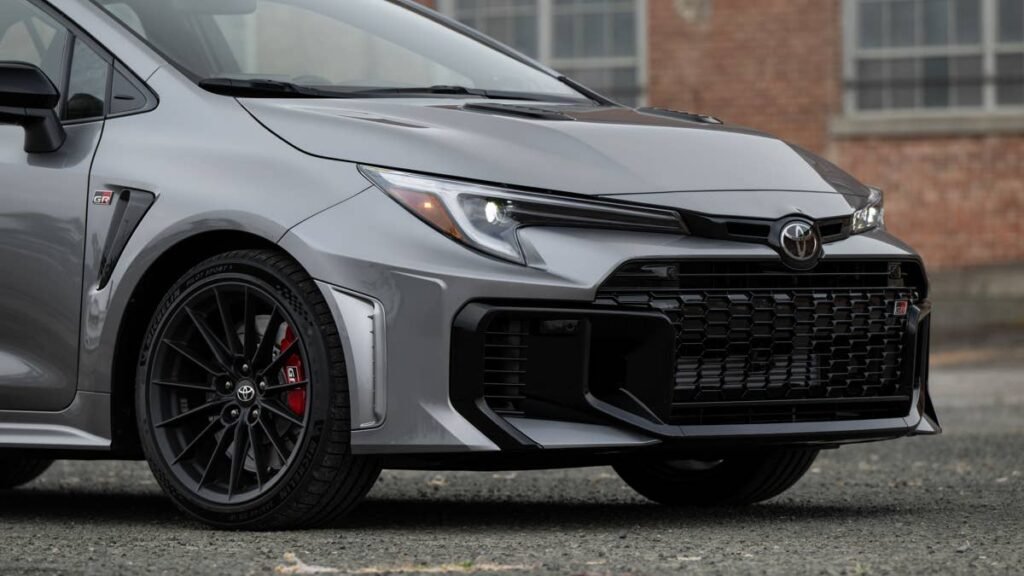
It was recently announced by the world’s largest automaker that its supply of GR Corollas in America will shift. Specifically, the GR Corolla will shift production to the United Kingdom, posing a huge risk to other true British automakers. Under the new trade agreement between the U.S. and the U.K., importation of British-built cars will be capped at 25,000 per quarter and 100,000 annually.
The agreement, which was renegotiated just a year ago, states that the tariff rate is 10% on each imported car, but that rate will jump to 27.5% if imports exceed 25,000 per quarter or 100,000 per annum.
Toyota‘s new production plan for the GR Corolla doesn’t begin until next year. Of note, if you look at the data reported by Automotive News, the collective brands sold 97,000 units last year.
Toyota’s GR Corolla numbers could push the break past the import cap, with the Japanese brand saying it can build around 10,000 units for the U.S. per year from its U.K. facilities. The move to build the Corolla in the U.K. was a shrewd one; it is currently built in Japan, subject to a 15% tariff per car. Moving to England would drop that rate by 5% and could save them money, assuming they don’t breach the cap, as other car makers do.
Breaching the Cap
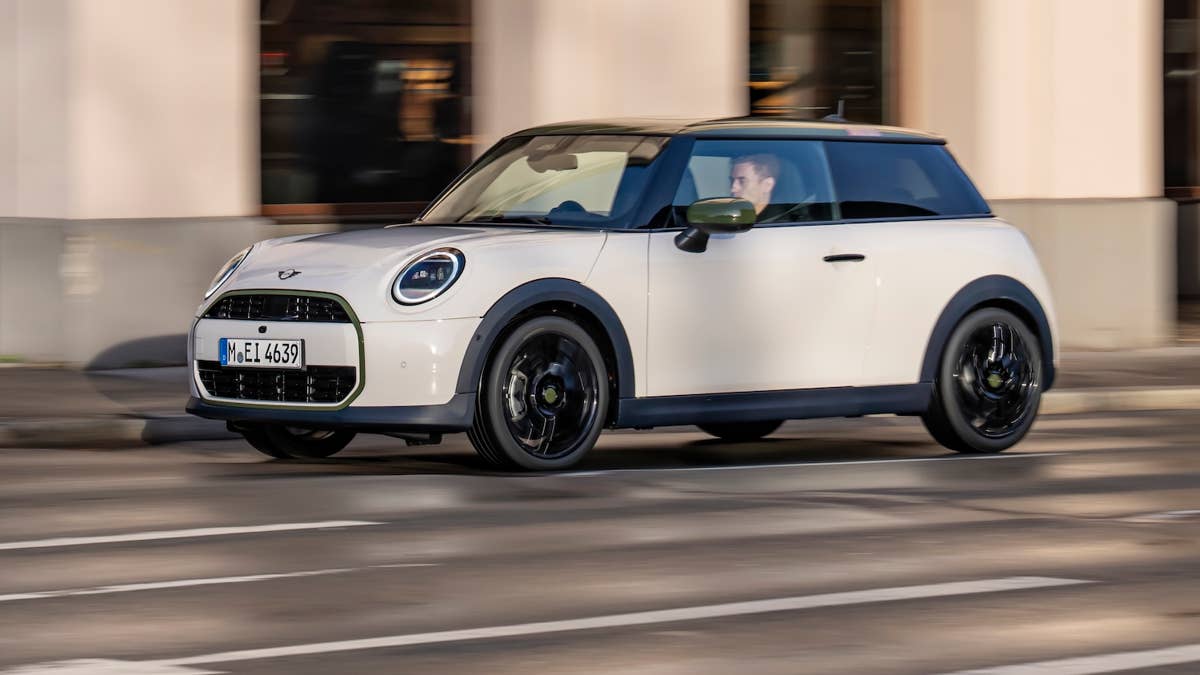
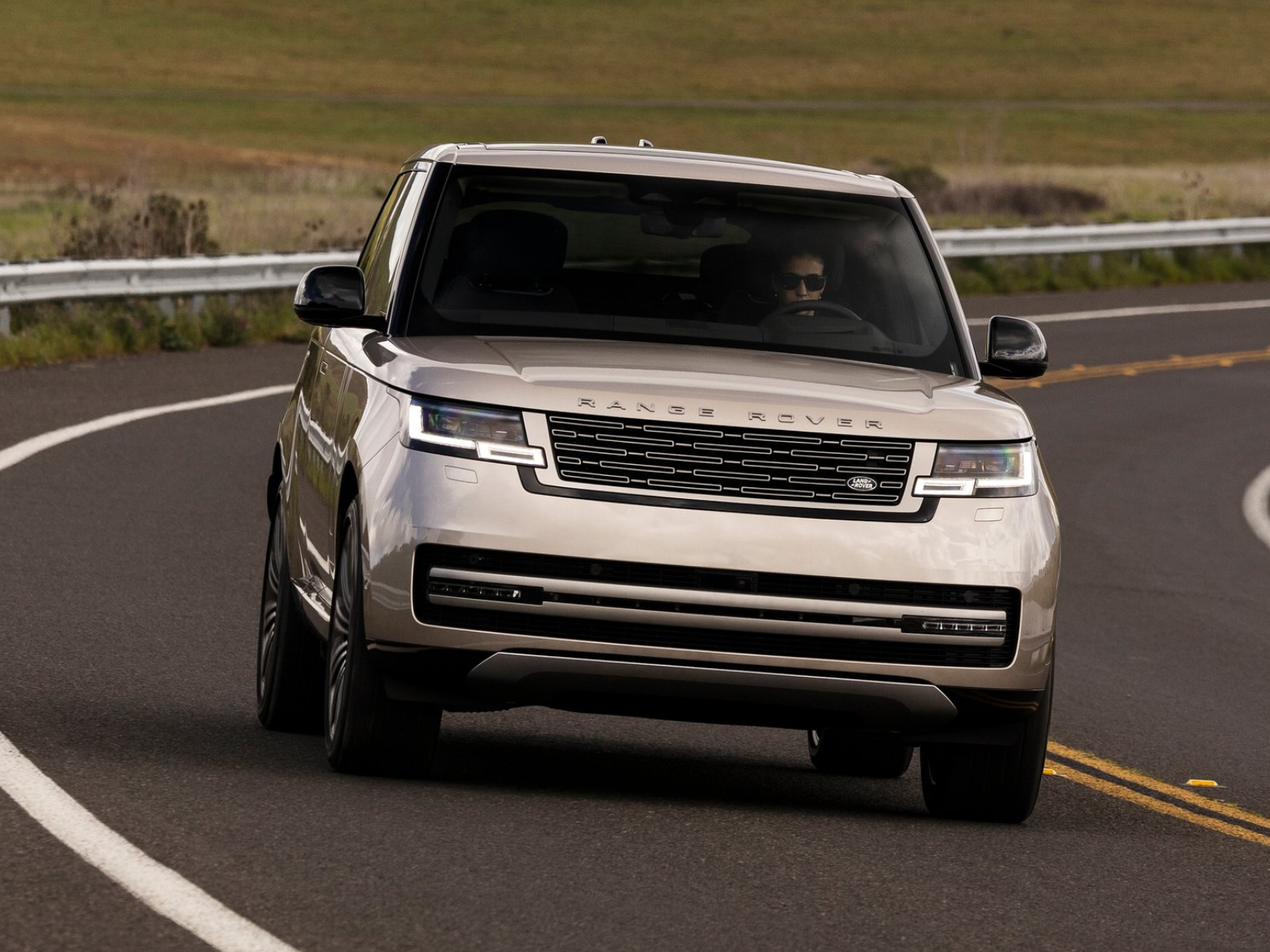
According to experts, it’s only a matter of time before the 100,000 import will be broken. Without the GR Corolla, the estimated number of British-made cars sold in the U.S. this year is around 80,000. The Corolla isn’t the only newcomer taking part in that; the JLR group is expected to also introduce two new EV models soon for the U.S.
Mini