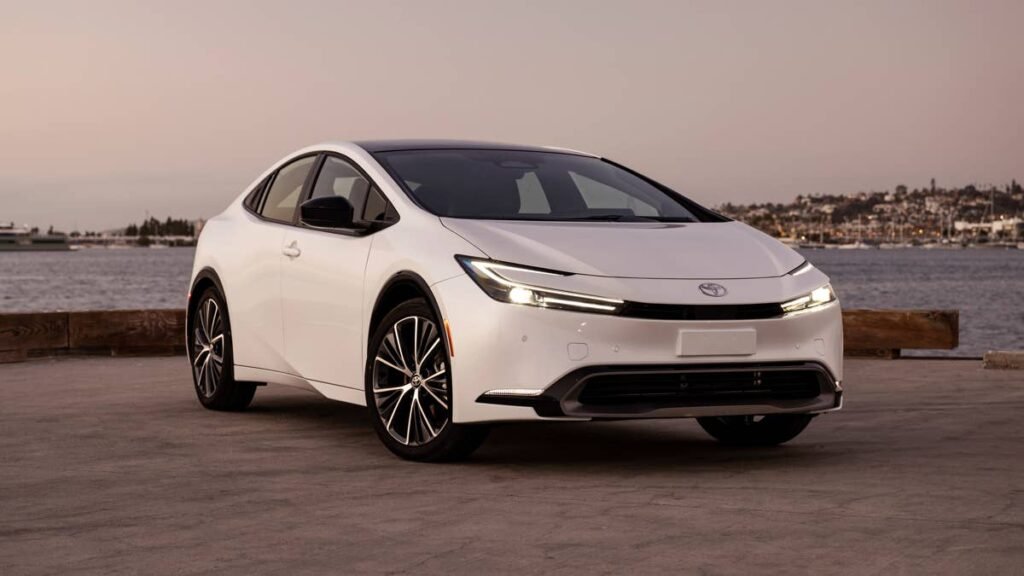
Toyota‘s multi-pathway electrification strategy continues to gain momentum in the United States, with hybrid, plug-in hybrid, battery-electric, and hydrogen-powered models now comfortably outselling vehicles powered solely by internal combustion engines.
Nearly 60% of Toyotas Sold Were Electrified
Toyota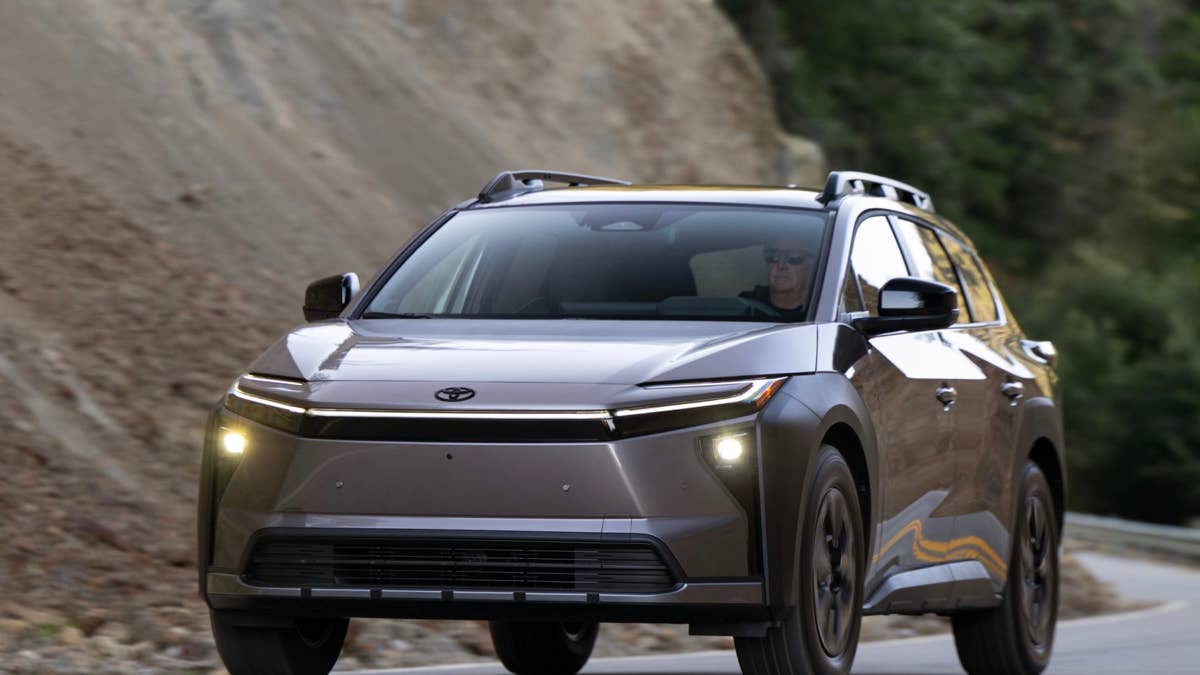
Toyota sold 212,793 vehicles in the US during June 2026, an increase of 10.1% compared to the same month last year. Of those, 122,063 were electrified vehicles, representing 57.4% of Toyota Motor North America’s total sales and marking a 35% year-on-year increase, highlighting how quickly buyers are embracing electrified powertrains, particularly hybrids.
The momentum continued throughout the second quarter. Toyota sold 673,971 vehicles between April and June, with 383,091 electrified models making up 56.8% of total sales, an increase of 19.5% over the same period last year. Toyota currently offers 33 electrified models across its Toyota and Lexus brands, giving customers one of the industry’s broadest electrified lineups.
RAV4 Waitlists Continue To Hold Back Sales
Toyota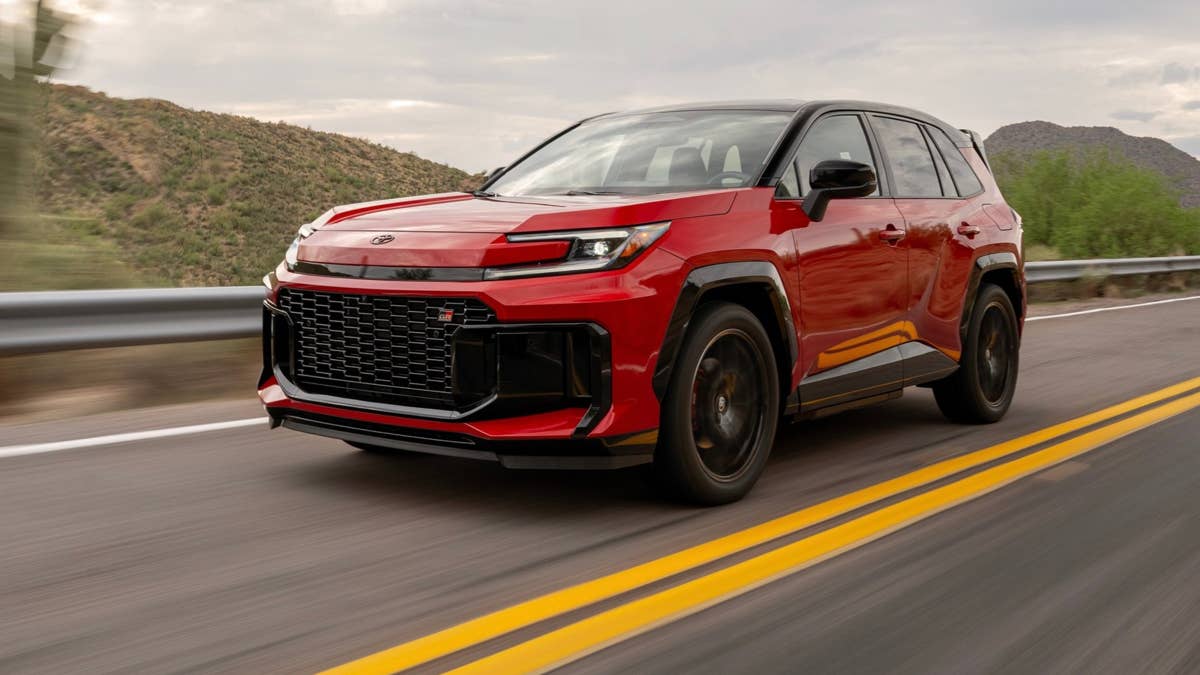
While electrified vehicles stole the headlines, several individual models also delivered notable performances. The Camry remained Toyota’s best-selling passenger car with 31,573 units, up 24.6%, while Corolla sales, which include the GR Corolla, climbed 6.5% to 19,873 units. The Prius also enjoyed a healthy 9.4% increase.
Among SUVs, the 4Runner was the standout performer, surging 125.6% year over year to 12,981 units. The bZ electric SUV jumped 59.7%, while the all-electric C-HR added 1,594 sales during the month.
Despite the RAV4 Hybrid achieving its best month on record, overall RAV4 sales fell 12.1% to 32,350 units. That decline isn’t due to weakening demand. Instead, Toyota has acknowledged that exceptionally strong demand for the redesigned RAV4 has created lengthy waiting lists, with supply constraints expected to cost the company roughly 55,000 US sales this year.
Strong US Results Contrast With Global Figures
Kelly Toyota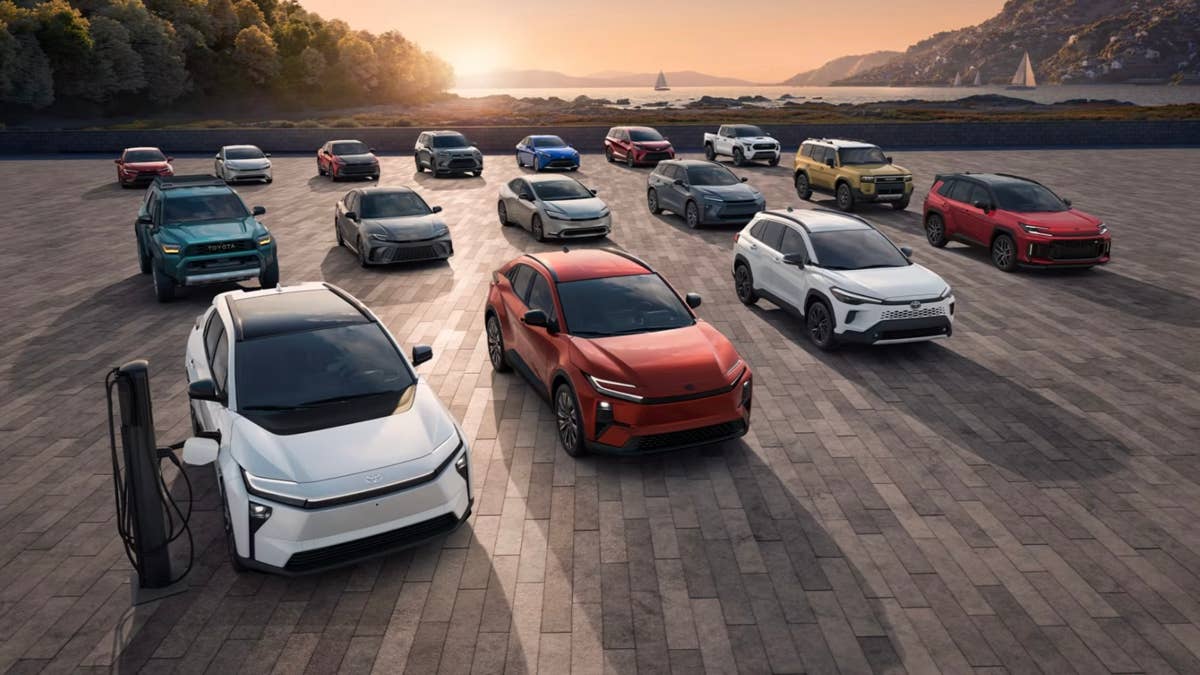
Toyota’s strong US performance comes at a time when its global business faces increasing pressure. The company remains the world’s largest automaker, but global sales have now declined for four consecutive months as Chinese manufacturers continue gaining market share and geopolitical disruptions, including the conflict involving Iran, weigh on parts of the market.
Even so, Toyota’s latest U.S. figures suggest its multi-powertrain strategy continues to pay dividends, particularly as demand for hybrids keeps climbing. Senior vice president of Toyota Motor North America, Andrew Gilleland, says their “multi-pathway approach is resonating.”