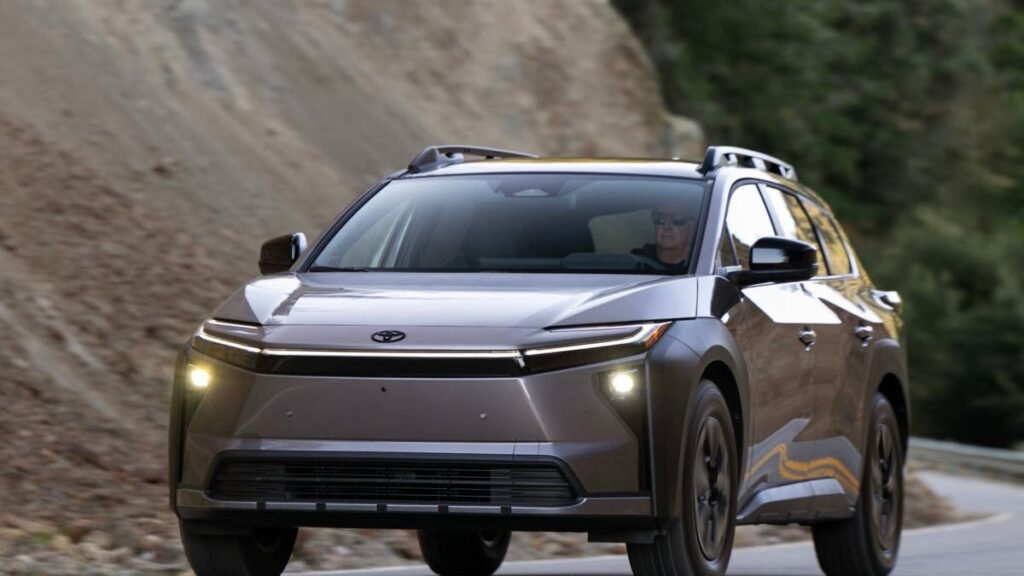
Toyota has dramatically expanded its EV lineup in recent months, but one surprising safety flaw is holding them back from achieving one of the industry’s most coveted safety awards. Those are the Top Safety Pick and Top Safety Pick+ awards from the Insurance Institute for Highway Safety (IIHS). Attaining one of these awards indicates strong crash safety and effective crash-prevention technologies. But three Toyota EVs—bZ, bZ Woodland, and C-HR—all ruled themselves out of contention because of poor headlight ratings. Is this a Toyota EV pattern or an issue with Toyotas in general? Let’s take a closer look.
Related: Toyota Land Cruiser Is Tough, But One Crash Test Exposed A Weak Spot
Toyota May Have a Headlight Problem
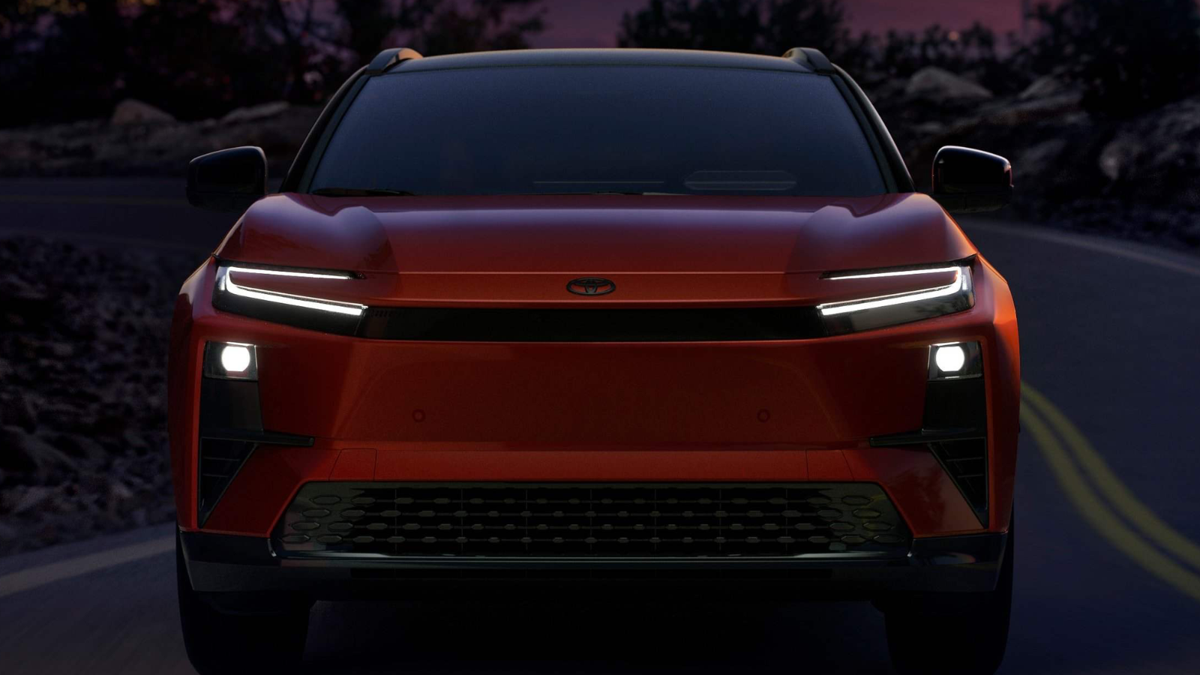
In the latest IIHS ratings for 2026, a vehicle can only achieve a Top Safety Pick or Top Safety Pick+ award if its headlights are rated as Good or Acceptable. Headlights rated as Marginal or Poor immediately disqualify a model from a safety award. The latest tests show that all Toyota electric SUVs currently on sale have Poor headlight ratings. That’s a surprising result for three modern EVs that haven’t been on sale for too long.
In its headlight evaluation test, the IIHS measures the distance over which headlights illuminate the road on straightaways and curves. The safety body also checks for unnecessary glare that may hamper visibility for oncoming motorists. The full scope of the test is available here.
Toyota
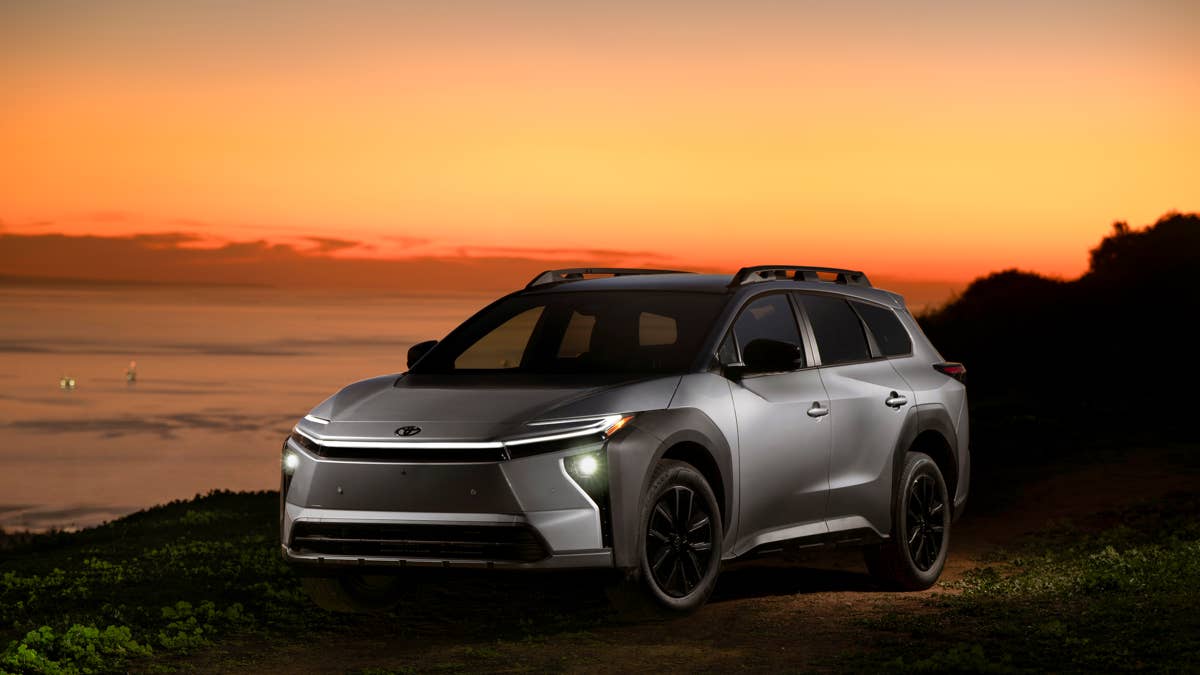
All three Toyota EVs have LED projector headlights with high-beam assistance. On the straightaway, visibility was deemed inadequate on both sides of the road and the Toyotas also demonstrated inadequate illumination on both left curves. They performed better on right curves and had no glare issues, but even so, there’s a clear pattern across all three models.
Interestingly, Subaru’s Trailseeker, Solterra, and Uncharted all had Poor headlight ratings, too. These EVs are closely related to the Toyota models. Among 32 other small SUVs, only the Kia Seltos, Lincoln Corsair, and Chevrolet Trailblazer also had Poor headlight ratings, but these models are all available with alternative headlights that performed better.
Related: Toyota bZ May Be The Reliable EV Buyers Have Been Waiting For
How Do Other Toyotas Fare?
Toyota
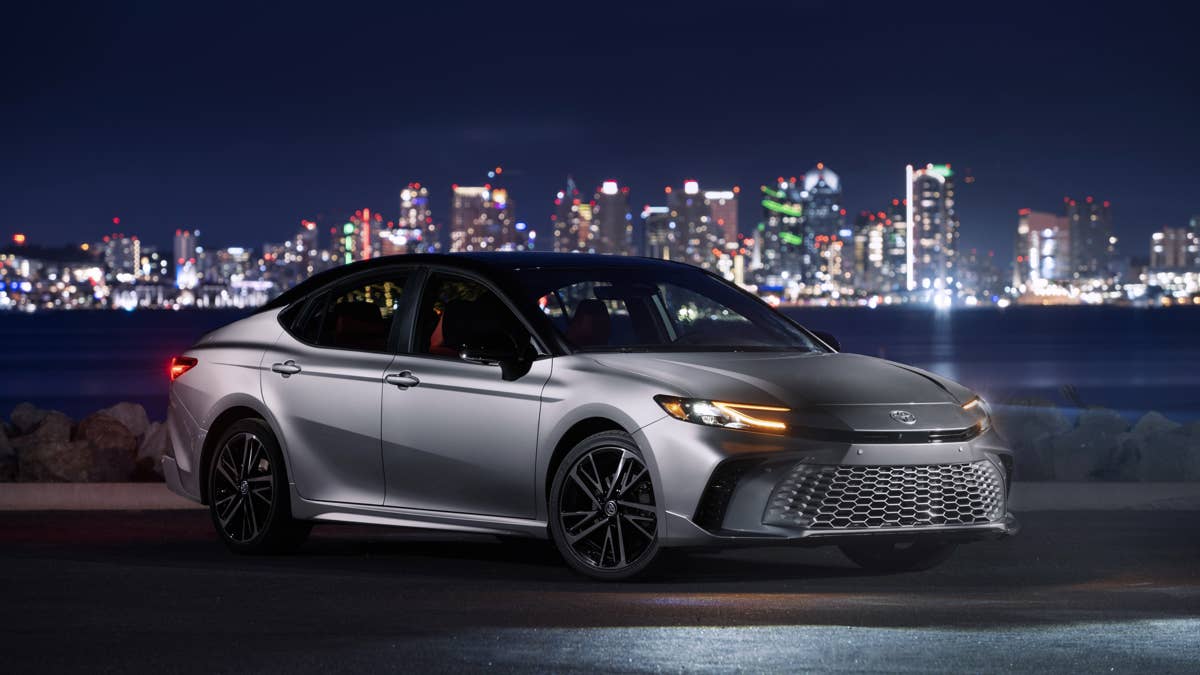
Non-electric Toyotas do not seem to have the same headlight issues. The Corolla, Prius, Camry, and Crown Signia are just a few gas- or hybrid-powered Toyotas that achieved at least an Acceptable score for their headlights.
We can only conclude that the new generation of Subaru and Toyota EVs have a specific design flaw. It’s worth noting that these EVs didn’t excel in crash tests, either. While there were no major red flags, the bZ, bZ Woodland, and C-HR could all only manage an Acceptable rating in the small overlap front test. The C-HR wasn’t yet tested for the moderate overlap front test, but the other two could also only achieve an Acceptable score there.
Related: Toyota Camry Vs. Nissan Altima Safety: One Sedan Is Miles Ahead
What It Means
Toyota
While these results don’t necessarily mean these Toyota EVs are unsafe, they clash with the Japanese brand’s reputation for reliability and safe family motoring. And, when much older crossovers like the Mazda CX-30, Honda HR-V, and Kia Sportage have near-perfect IIHS safety scores, it’s disappointing to see these Toyotas fall short.
What we do know is that automakers pay close attention to IIHS safety scores, often making design changes in the middle of a product’s life cycle to meet strict new testing procedures or correct any design flaws. We would not be surprised if improvements were made to these Toyotas for the next model year. It’s even more important as Toyota builds trust in its EV lineup after years of not having a competitive vehicle in this space.
Related: Mazda Just Took Volvo’s Safety Crown, Says Consumer Reports