The United States and Canada are frantically negotiating a trade agreement to undo the damage of erratic protectionist policies. Facing widespread backlash, President Donald Trump pushed back a Saturday deadline for massive new duties on Canadian goods. Prime Minister Mark Carney signaled talks are progressing, offering a reprieve for workers caught in the crossfire of this manufactured crisis.
For months, reckless border taxes threatened to disrupt the North American supply chain. Union advocates consistently warned that these penalties would destroy domestic assembly jobs rather than protect them. By finally acknowledging the tariff impact, the administration is stepping back from a chaotic trade war that primarily hurts middle-class buyers.
Examining the Details of the Trade Deal
According to Reuters, the centerpiece of the proposed framework is a substantial reduction in the top-line tariff on Canadian-built vehicles. According to insider sources, the punishing 25% duty on cars and trucks would drop to 15%, before any deductions for U.S.-produced content are even applied. While Canada lobbied hard to lower that number to 10%, the current compromise still offers significant relief for deeply intertwined automakers and autoworkers.
Metal imports will also see a necessary reprieve under the new terms. The agreement proposes halving top-line tariffs on Canadian steel and aluminum to 25%, managed through a strict volume quota arrangement. Imports exceeding a projected four million metric tons annually would still face the original 50% penalty, a system designed to protect domestic metal producers without completely suffocating automotive manufacturing with inflated raw material costs. The consequences of unequal trade posturing are highly visible. Unfair border friction has even caused regional price disparities.

What This Means for Buyers
From a consumer perspective, lowering these financial barriers is an absolute necessity for the survival of accessible driving. We have watched protectionist trade policies heavily disrupt production flows, risking union jobs and artificially inflating sticker prices. Easing these restrictions helps stabilize manufacturing operations and ensures the automotive market remains accessible for working-class families across both nations.
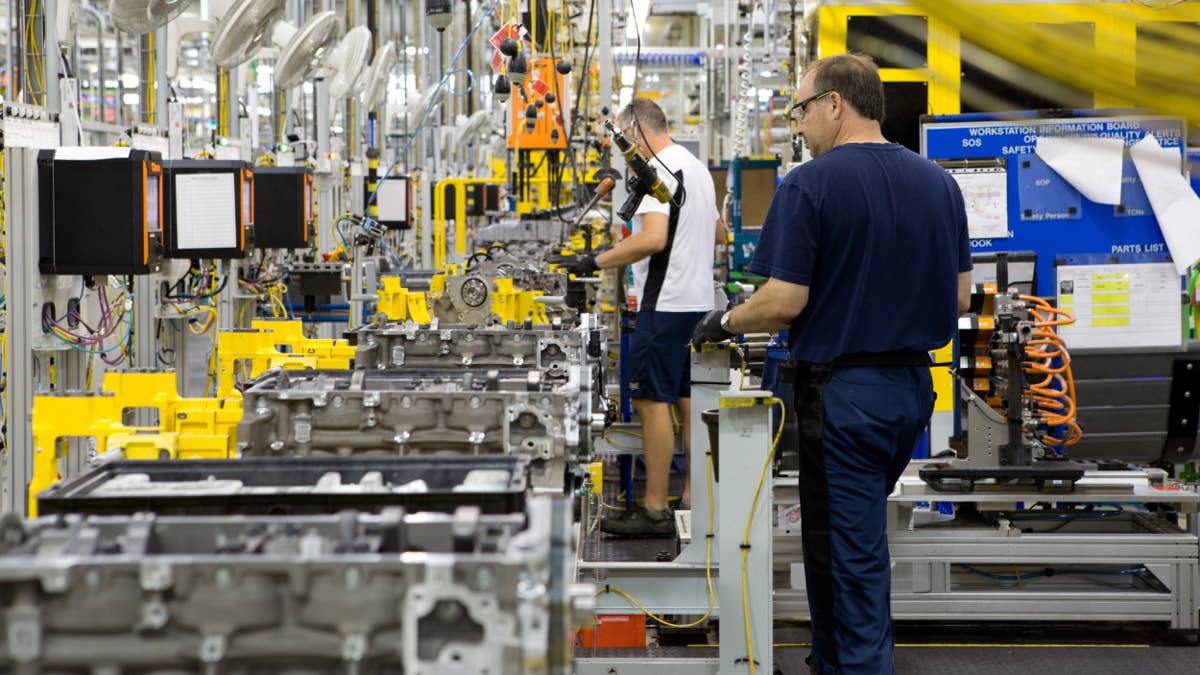
As the industry shifts, the broader implications of these trade moves cannot be ignored. While Ottawa actively navigates complex China imports by requiring local assembly, Detroit relies heavily on northern facilities for core components, including crucial V8 production lines. Securing a stable, low-tariff environment guarantees that North America can collectively defend its manufacturing dominance while keeping vehicles affordable.
GM Canada