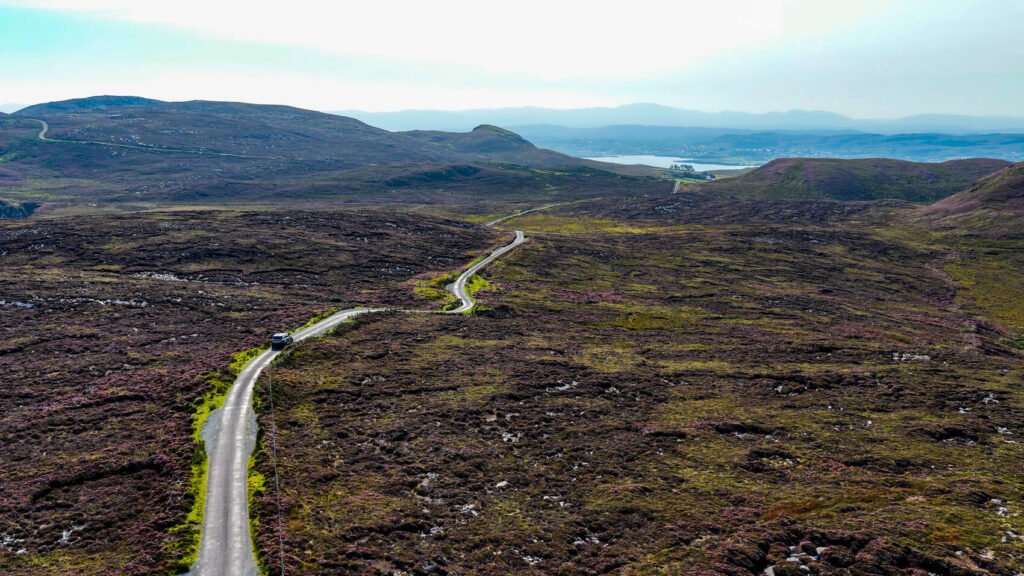
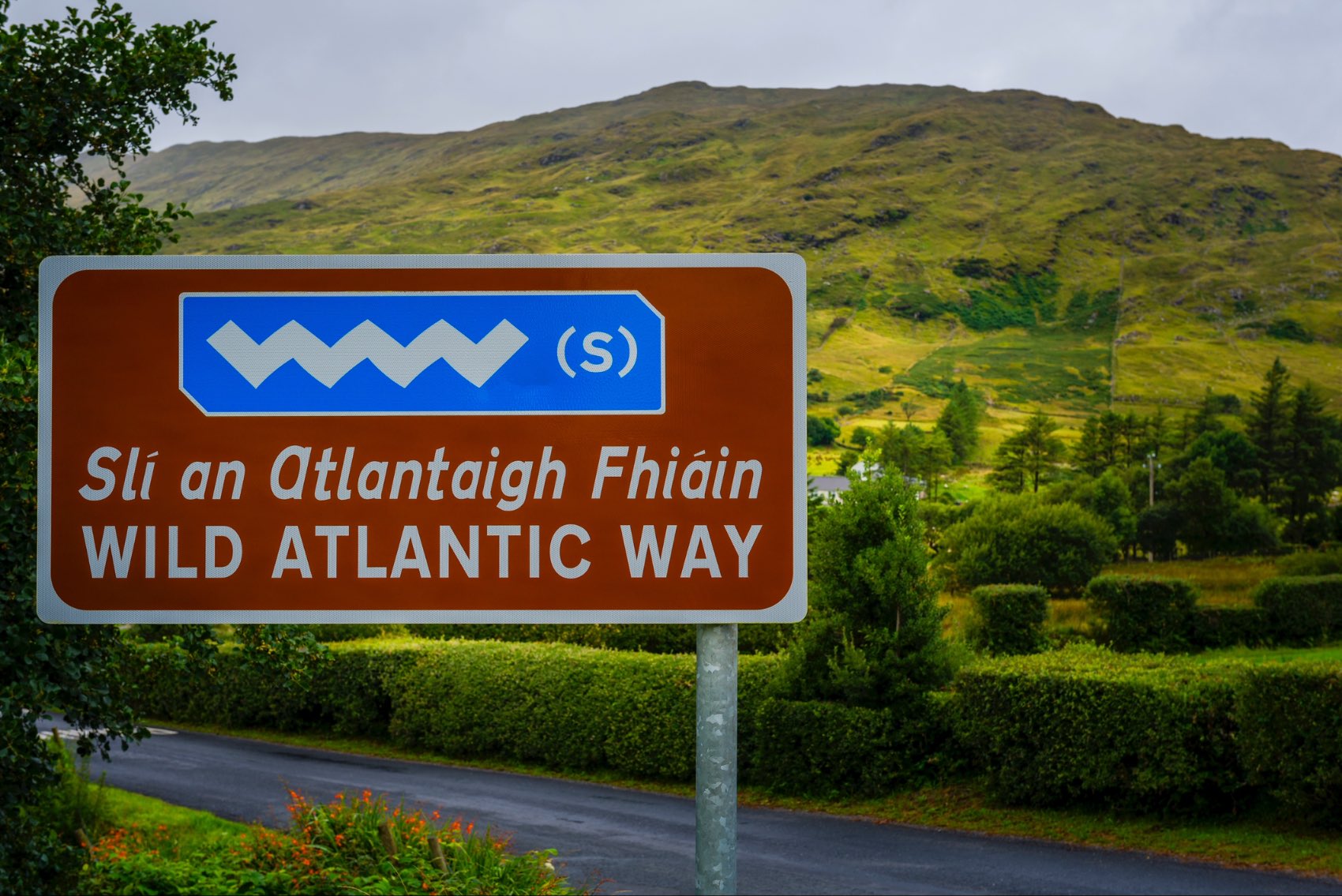
Ireland’s Wild Atlantic Way is the kind of road trip that makes you want to keep driving, even when you’ve already promised yourself you’ll stop at the next viewpoint. Stretching around 2,600km (1616 mi) from Malin Head in County Donegal to Kinsale in County Cork, this spectacular coastal route takes in nine counties, windswept beaches, towering sea cliffs, tiny fishing villages, and seriously good pubs.
The beauty of the Wild Atlantic Way is in choosing your own adventure, whether that’s a week exploring Donegal and Sligo, or a longer journey through Galway, Clare, and Kerry. The trick is knowing where to stop, how much of the route to tackle, and when to put the keys down and stay a while. Here’s how to plan a Wild Atlantic Way itinerary that packs in the best things to do on Ireland’s west coast without spending your entire holiday behind the wheel.
How long does it take to drive the Wild Atlantic Way?
There’s no right answer to how long you need for the Wild Atlantic Way; it all depends on how much coastline you want to explore. If you’re determined to tackle the full 2,600km (1616 mi) route, allow at least two weeks (ideally three), so you have time to enjoy the scenery rather than spending your holiday watching it blur past the car window.
With a week, choose one section: Donegal and Sligo are brilliant for wild landscapes and beaches, while Galway, Connemara and Clare pack in some of the route’s biggest hits. Got just a few days? The Dingle Peninsula and Kerry offer plenty of dramatic coastline, colourful villages, and scenic walks without requiring a marathon drive. The golden rule? Don’t try to see everything. You’ll have a much better trip by exploring less, and enjoying it more.
How do you plan your Wild Atlantic Way itinerary?
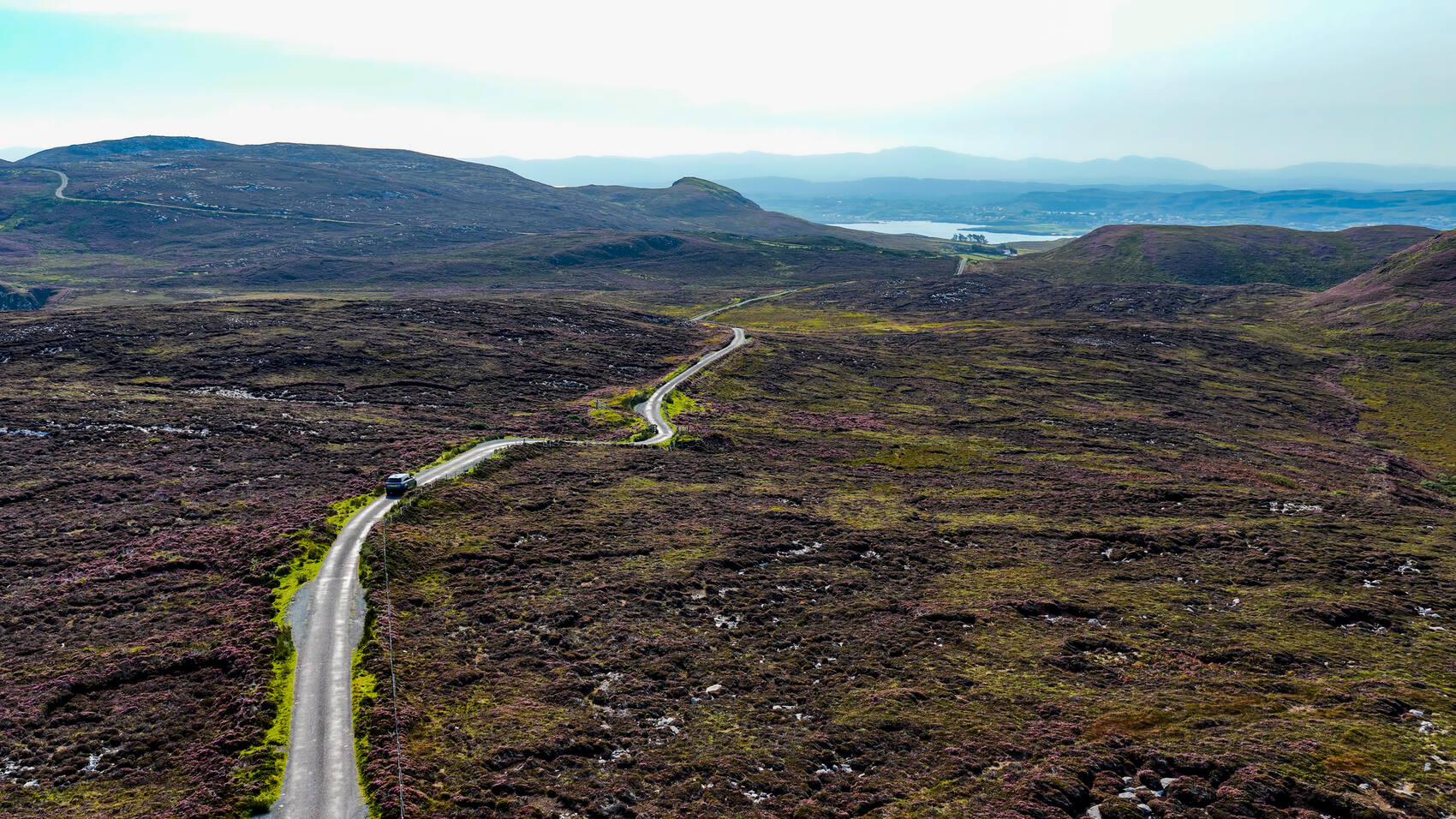
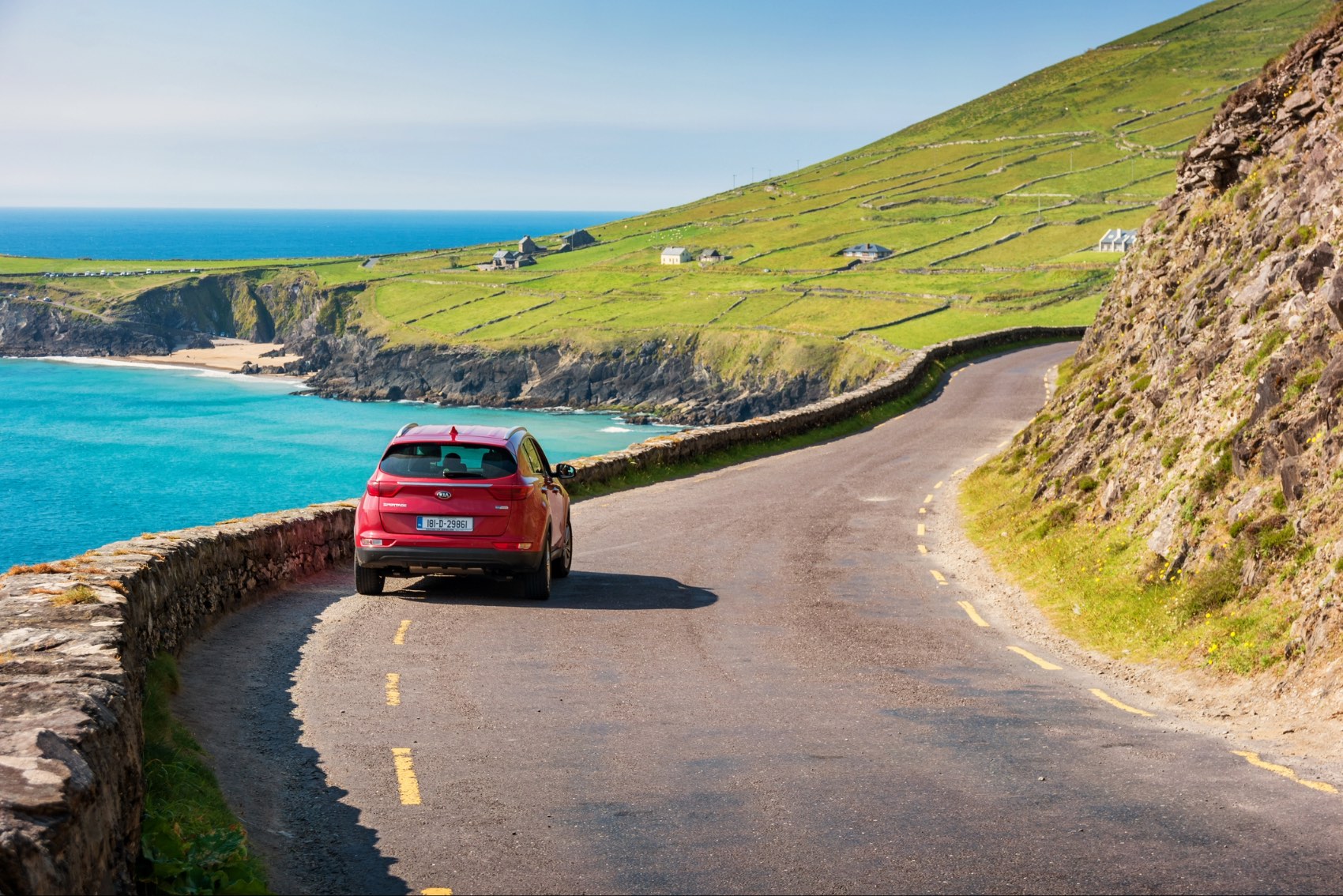
Once you’ve decided which stretch to tackle, embrace the road-trip mentality, and leave plenty of room for spontaneity. A car gives you the freedom to stop at windswept viewpoints, detour down tiny country lanes, and pull over whenever a particularly spectacular beach appears. Ireland’s roads can be narrow and winding, while distances that look short on a map can take considerably longer than expected, so build extra time into your journey.
Rather than planning every minute, choose a handful of key stops and things to do, and leave the rest open. Pull over for a coastal walk, stop for a pint or two in a village pub, or take a wrong turn simply because the road looks interesting. The best moments are often the ones that never made it onto the itinerary.
What are the best places to visit?
The beauty of the Wild Atlantic Way is that every stretch has its own personality. Up north, the coastline feels gloriously wild and windswept; further south, you’ll find colourful villages, dramatic cliffs, sandy beaches and landscapes that seem to change around every bend. You could spend weeks exploring every corner, but these are the places worth building your Wild Atlantic Way itinerary around.
Donegal: wild beaches and dramatic landscapes
Start in Donegal, where Ireland really turns up the drama — think towering sea cliffs, enormous sandy beaches and rugged mountains dropping towards the Atlantic. Slieve League is the headline act, with some of Europe’s highest accessible sea cliffs, while Glenveagh National Park offers a chance to swap crashing waves for peaceful valleys and mountain scenery. Make time for Malin Head, Ireland’s most northerly point, especially if you fancy standing at the edge of the country with nothing but ocean stretching out ahead.
Sligo: mountains, surf, and Yeats country
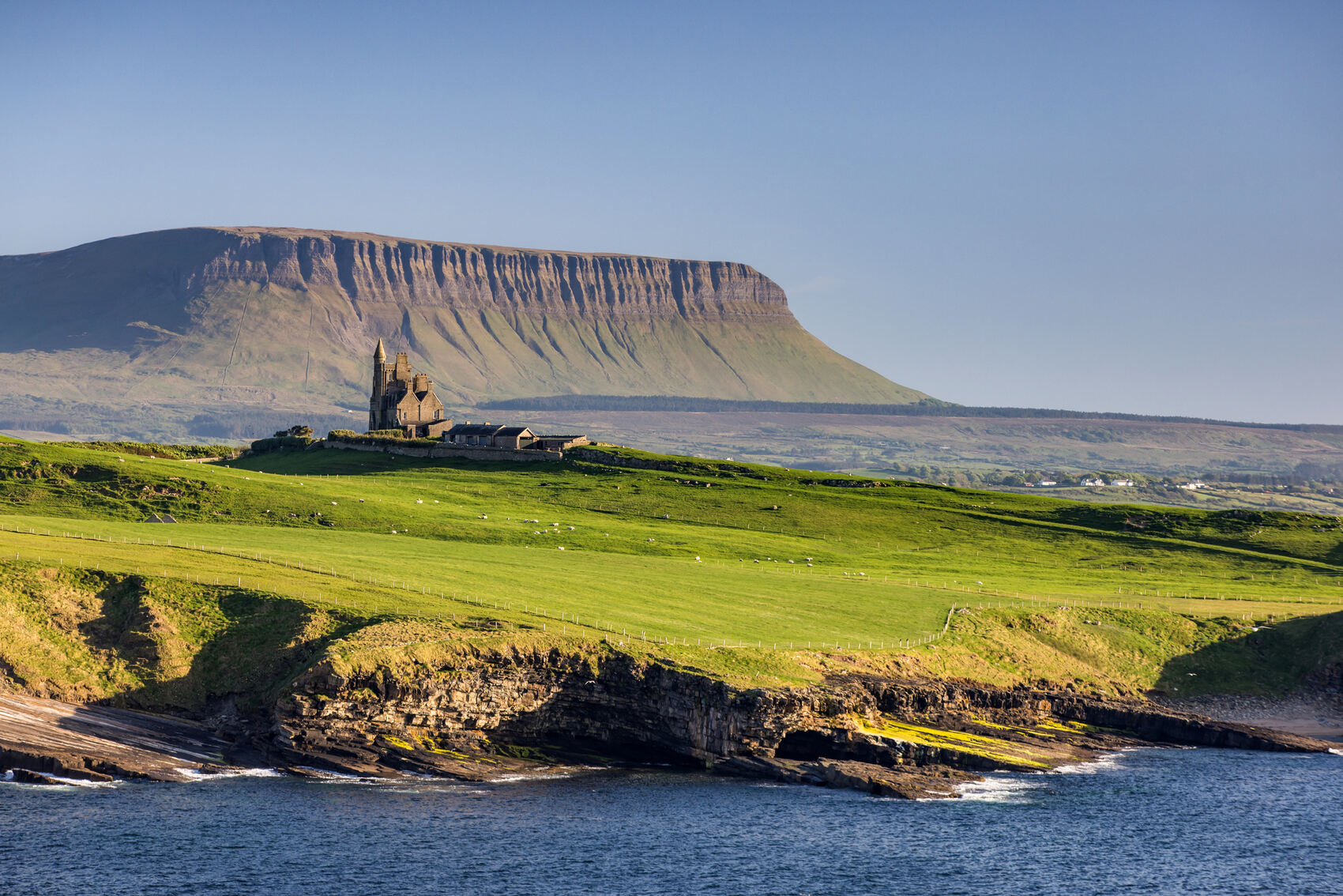
Sligo is where wild landscapes meet a seriously laid-back surf scene. The imposing shape of Benbulben dominates the skyline, while beaches such as Strandhill and Mullaghmore are made for salty walks and catching a wave. This is also W.B. Yeats country, so expect plenty of literary connections woven into the landscape. Visit Drumcliffe, where Yeats is buried beneath Benbulben, then reward yourself with a coffee, a seafood lunch or, naturally, a pint.
Mayo: Achill Island and Ireland’s rugged west
Mayo is all about getting gloriously off-grid, particularly once you cross onto Achill Island. Connected to the mainland by bridge, the island is home to dramatic cliffs, empty beaches, and winding roads that make stopping every few minutes almost unavoidable. Keem Bay is the showstopper, with its horseshoe-shaped beach backed by rugged mountains, but don’t rush through the rest of the island. Mayo rewards the curious driver who takes the scenic route.
Galway: colourful streets and coastal charm
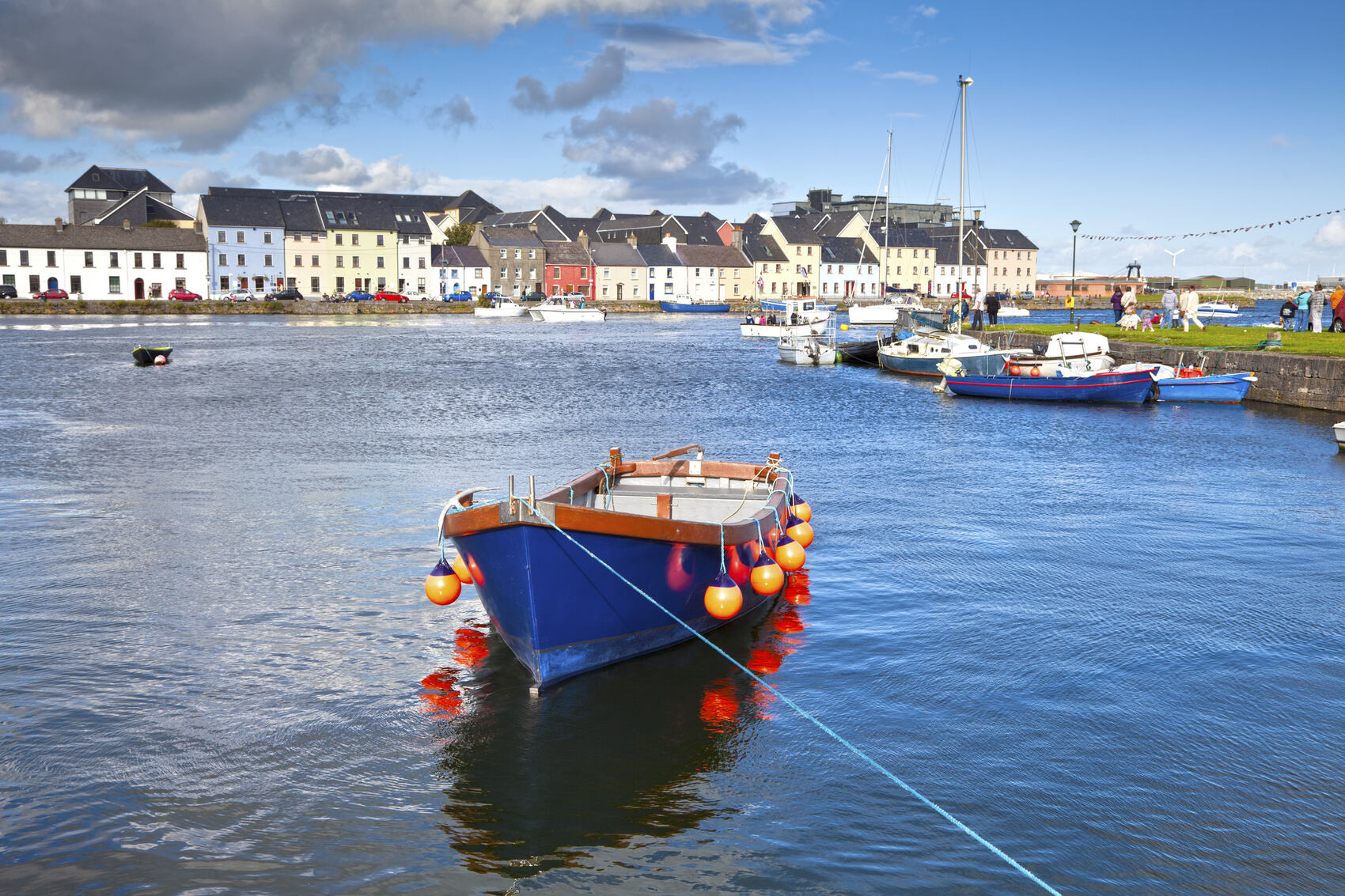
After all that wild scenery, Galway brings a welcome dose of energy. Its colourful streets are packed with traditional pubs, live music, independent shops, and restaurants serving up the best of the west coast. Spend a day wandering the Latin Quarter, then head out towards Salthill for a seaside stroll. Galway is also a brilliant base for exploring the surrounding coastline, making it an easy place to slow down for a couple of nights rather than simply passing through.
Connemara: mountains, lakes, and big skies
Just west of Galway, Connemara feels like Ireland turned the volume up on the scenery. Rugged mountains, peat bogs, glassy lakes, and winding roads stretch towards the Atlantic, with barely a building in sight in some places. Drive through Connemara National Park, stop at Kylemore Abbey, and leave plenty of time for wandering. This is one of those stretches where the journey genuinely is the destination, and you’ll probably spend more time pulling over than you expect.
Clare: the Cliffs of Moher and the Burren
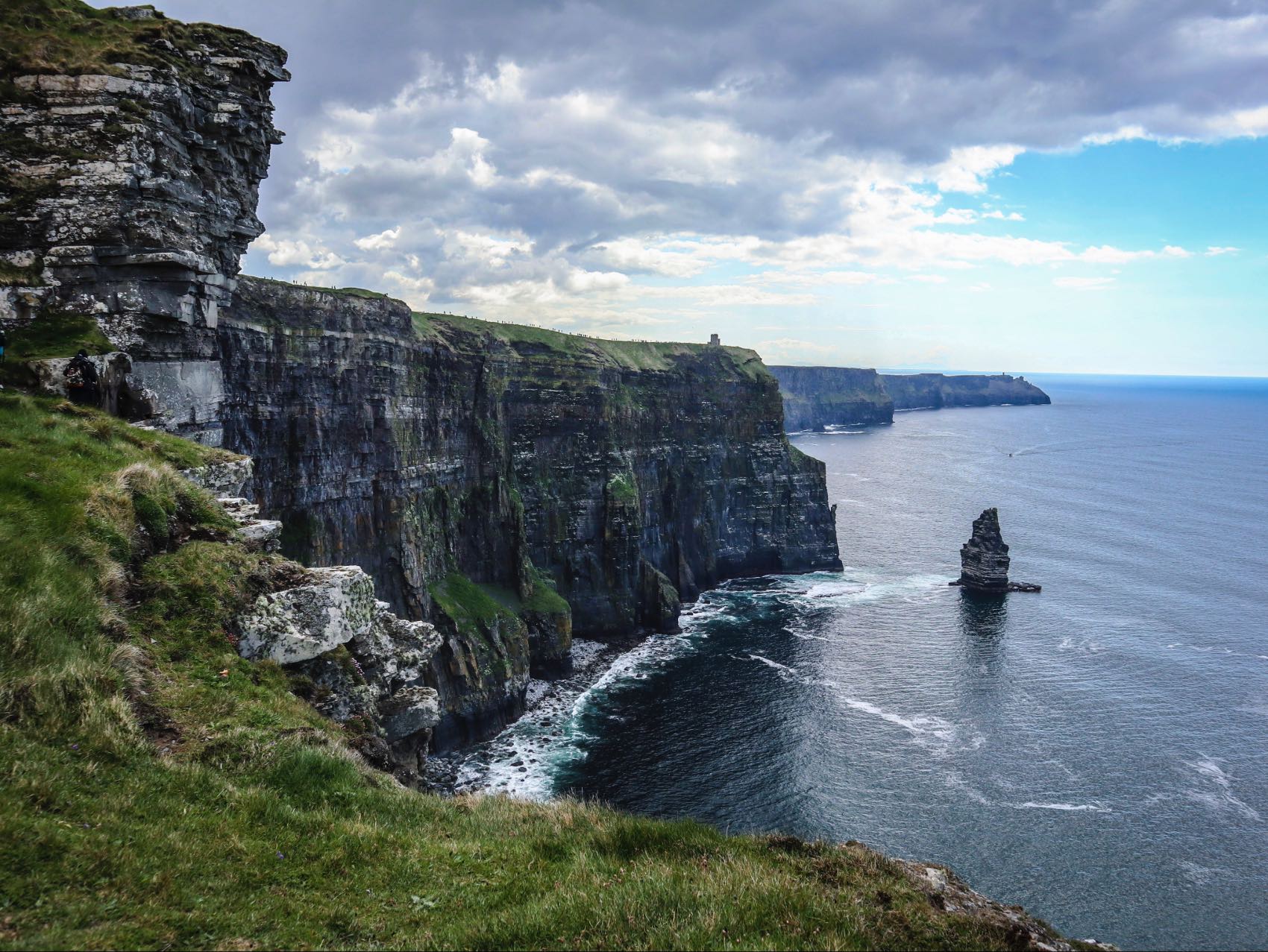
County Clare delivers two of the Wild Atlantic Way’s biggest crowd-pleasers: the Cliffs of Moher, and the otherworldly Burren. The cliffs rise dramatically from the Atlantic, while the Burren’s limestone landscape looks almost lunar, scattered with wildflowers, ancient ruins, and rocky outcrops. Visit the cliffs early or later in the day to dodge the biggest crowds, then take your time exploring the quieter roads and villages beyond the headline attractions.
Kerry: the Ring of Kerry and beyond
Kerry is the kind of place that makes you understand why people fall hard for Ireland. The Ring of Kerry loops through mountains, lakes, and rugged coastline, with spectacular viewpoints seemingly appearing around every corner. But don’t stop there — the Dingle Peninsula offers an equally gorgeous, and often more intimate, road trip, with colourful villages, sandy beaches, and winding coastal roads. Give yourself plenty of time here — Kerry isn’t somewhere you want to experience through a car window.
Cork: colourful villages and coastal escapes
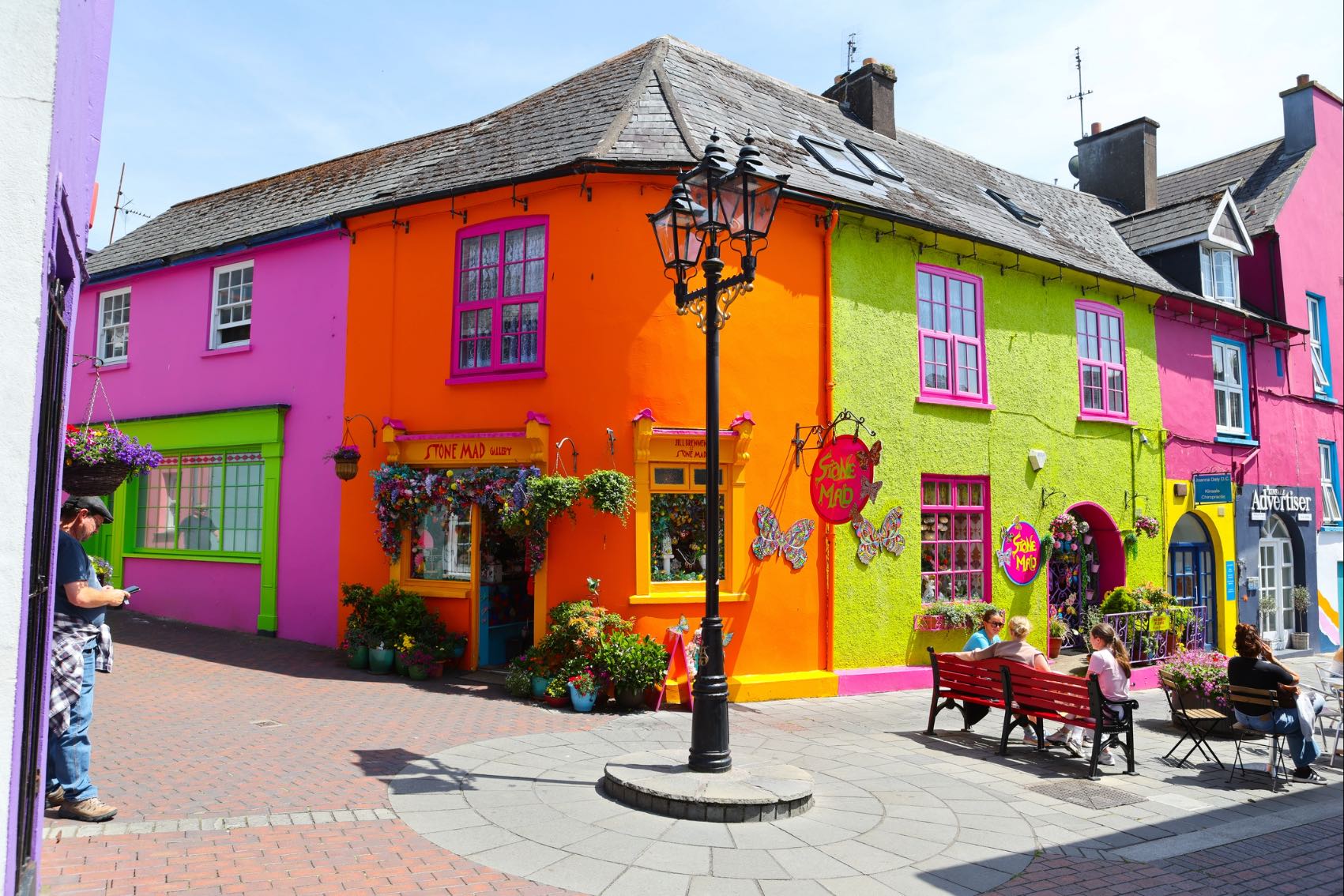
As you head into Cork, the scenery softens slightly but certainly doesn’t lose its charm. Explore the colourful harbour town of Kinsale, known for its seafood, independent restaurants, and brightly painted buildings, before following the coast towards places such as Clonakilty and Baltimore. Cork is a great place to slow the pace down, with plenty of opportunities for seafood lunches, coastal walks, and the occasional detour to a tiny village you’ve never heard of.
West Cork: where the road gets wonderfully remote
If you really want to escape the crowds, keep heading west. West Cork is wild, rugged, and wonderfully unhurried, with rocky peninsulas, tiny islands, and remote beaches scattered along the coast. Explore the Beara Peninsula, head out towards Mizen Head, or take a boat across to Cape Clear Island if you have the time. This is the Ireland of quiet roads, stone cottages, and pubs where the conversation might be more interesting than your itinerary. In other words, exactly what a Wild Atlantic Way road trip is all about.
Where should you stay?
A good Wild Atlantic Way itinerary isn’t just about the places to visit, and things to do, it’s also about where you stay. Along the route, you’ll find everything from cosy guesthouses and pubs with rooms to boutique hotels, country houses, and campsites overlooking the Atlantic. Whatever your budget or travel style, the key is not trying to pack up and move on every single morning; this is a road trip after all, not a military operation.
Cosy pubs and guesthouses
For a proper dose of Irish hospitality, choose a family-run B&B, guesthouse, or pub with rooms. Expect warm welcomes, generous breakfasts, and local recommendations you won’t find on Google. It also means you can wander to the local pub and enjoy a few pints without having to nominate a designated driver.
Boutique hotels and country houses
Fancy a little luxury? There are plenty of boutique hotels and country houses tucked away along the coast — think roaring fires, sea views, beautifully designed rooms, and restaurants making the most of Ireland’s incredible local produce. A night or two somewhere special can be the perfect antidote to long days on the road.
Wild camping and glamping
For a closer connection to the landscape, camping and glamping put you right beside the Atlantic. Wake up to rugged cliffs, sandy beaches, and big skies; just check local rules and camp responsibly, because wild and remote doesn’t necessarily mean you can pitch a tent wherever you fancy.
Why staying two nights can be better than moving every day
It can be tempting to treat a road trip like a race, but the Wild Atlantic Way is much better when you slow things down. Staying put for two nights means less time repacking the car, and more time exploring, lingering over lunch, or taking an unplanned detour. Pick a few great bases, unpack your bag, and give yourself time to actually experience the places you’ve driven all that way to see.
Essential driving tips
Drive on the left
Check the weather before setting off
Download offline maps
Fill up when you can
Give yourself more time than Google Maps suggests
Watch out for sheep