The Pricing Finally Makes More Sense
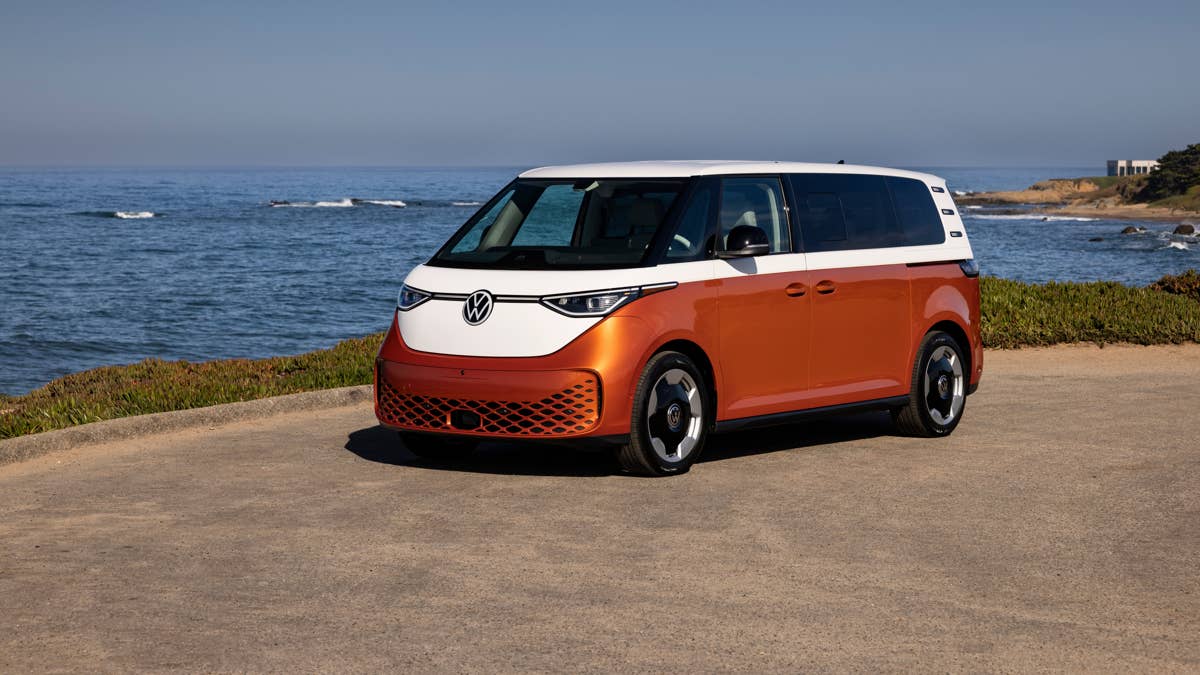
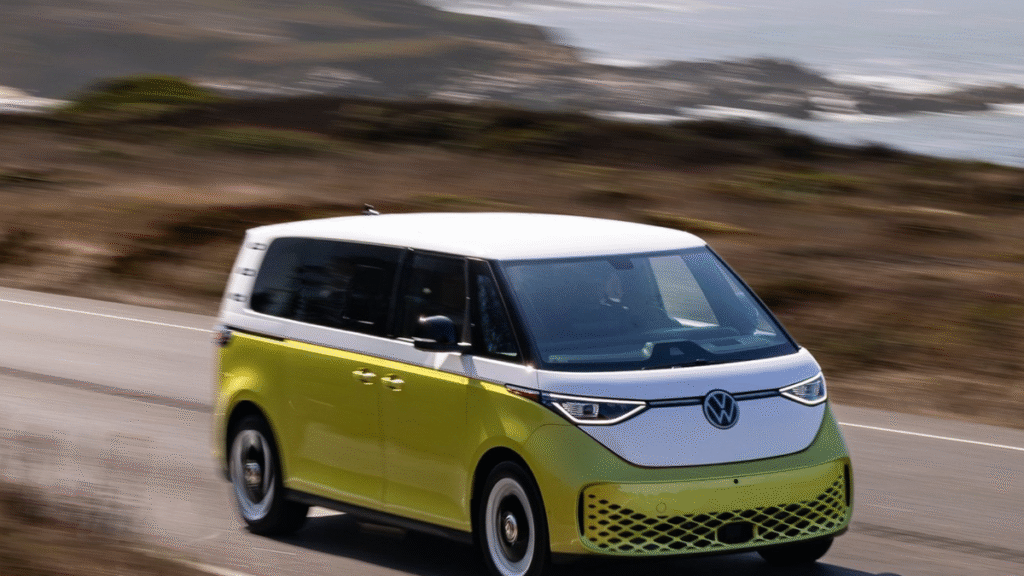
When Volkswagen finally launched the ID. Buzz in America, the reaction was a bit mixed. People still loved the idea of a modern electric Microbus, especially one that looked this close to the original Type 2. But once pricing entered the conversation, enthusiasm cooled off pretty quickly.
The ID. Buzz started at over $60,000 in the US, which made it a tough sell for buyers expecting something more approachable from a vehicle built largely on nostalgia. That became an even bigger issue once some dealers began stacking markups on top of MSRP, with a few examples reportedly climbing into six-figure territory during the early rollout.
To be fair, the ID. Buzz itself isn’t the problem. It’s roomy, quirky, comfortable, and still one of the most recognizable EVs on sale today. The issue was always whether buyers were willing to spend luxury SUV money on a retro-styled electric minivan with modest range figures.
That’s starting to change as dealers across the US are now cutting prices on leftover 2025 inventory, with some listings dropping into the mid-$40,000 range. At those numbers, the ID. Buzz becomes a much more reasonable option.
Discounts Are Getting Surprisingly Aggressive
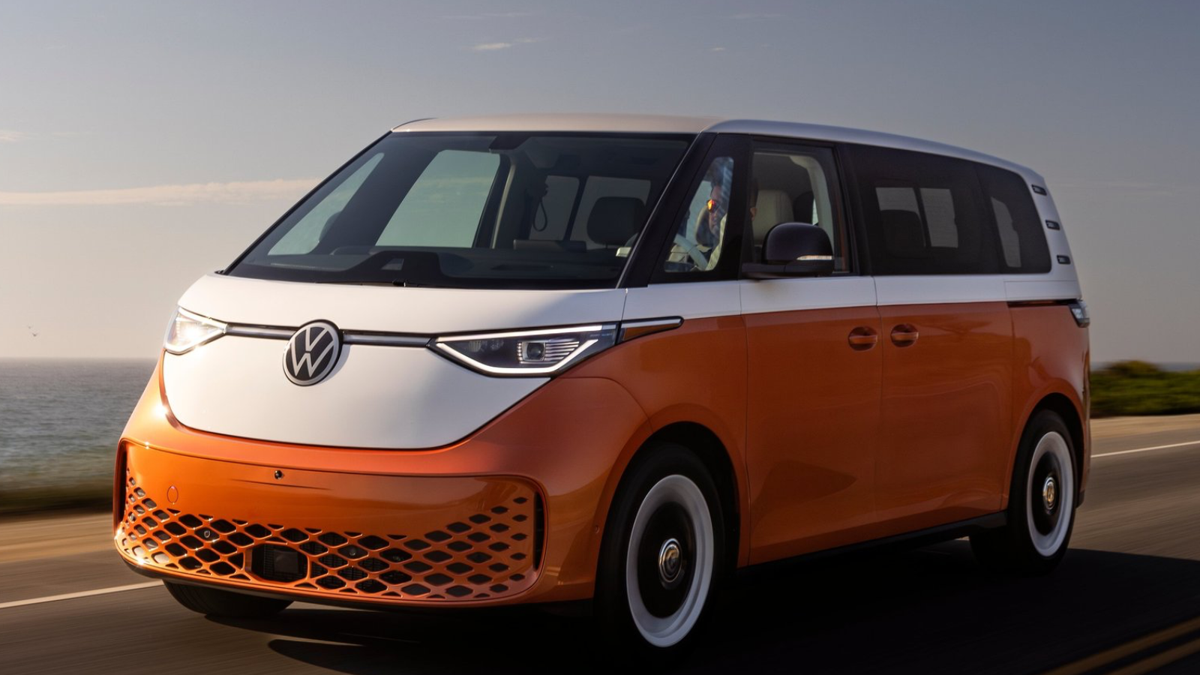
According to dealer listings cited by Elektrek, some 2025 Volkswagen ID. Buzz Pro S models are now being advertised for less than $49,000 before additional incentives. One Illinois dealer reportedly listed a new unit at around $48,365, while other stores in Georgia, Ohio, Indiana, and California were also showing sizable markdowns.
In some cases, discounts have topped $15,000 when dealer incentives and Volkswagen bonuses are combined. One Indiana listing even dropped the price into the low $40,000s after all discounts were applied.
The ID. Buzz uses a 91-kWh battery and is rated for up to 234 miles of range in rear-wheel-drive form. Standard models make 282 horsepower, while the AWD 4Motion version bumps that to 335 horsepower, though with a bit less range.
Range is still not a strong point, especially next to rivals like the Kia EV9 or Hyundai Ioniq 9, which both offer better efficiency and value on paper. But neither of those options brings the same personality as the ID. Buzz, which is still the only EV that fully embraces classic van nostalgia.
VW is Already Looking Ahead to 2027
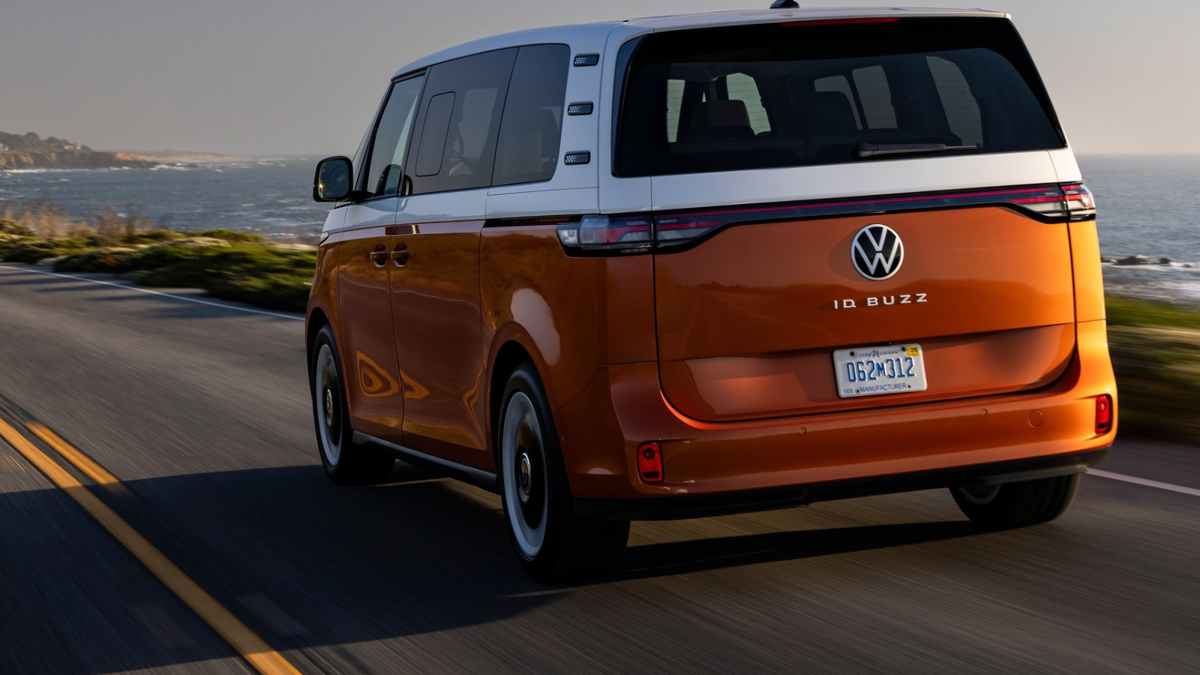
Part of the reason dealers appear eager to move inventory is that Volkswagen has already confirmed there won’t be a 2026 ID. Buzz for the US market.
The company previously said it was pausing the model for America following an assessment of current EV market conditions. Instead, Volkswagen plans to focus on clearing existing inventory before preparing for a 2027 return.
VW hasn’t fully detailed what that larger 2027 plan looks like yet, though the move suggests the automaker may be repositioning the ID. Buzz for a more serious second attempt in the American market.
In the meantime, buyers willing to overlook the range limitations may finally be able to see the ID. Buzz at the price it probably should’ve launched with from the start.
Volkswagen