Volkswagen is giving up control where the growth is
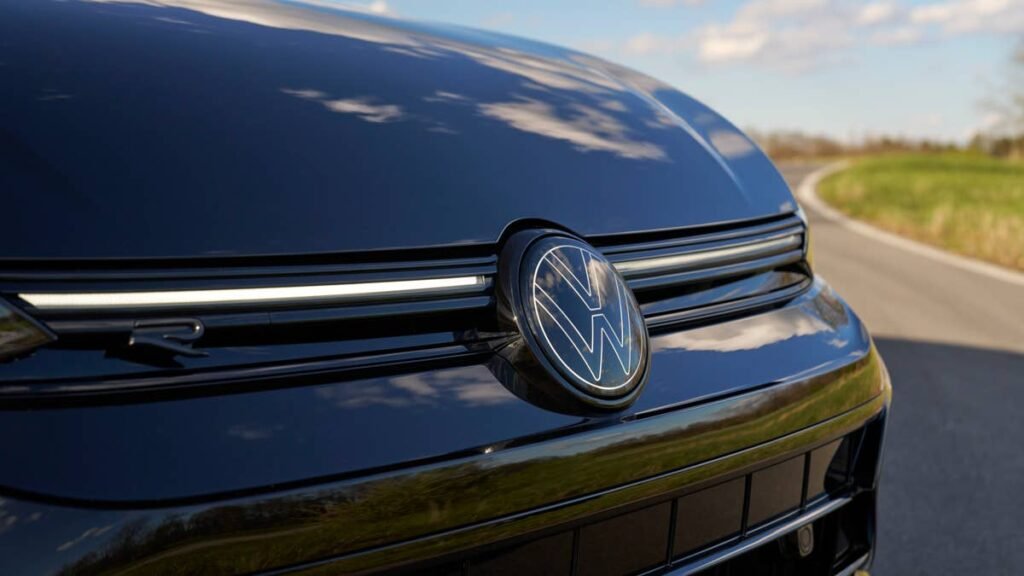
Selling a majority stake usually means a company is looking for the exit. Volkswagen‘s India deal suggests the opposite. The world’s fastest-growing major car market has become so valuable that Volkswagen would rather surrender control than surrender its place in line. Instead of scaling back, Bloomberg reports its handing majority control of its Indian operations to JSW Group, one of the country’s largest industrial conglomerates. India isn’t a niche market anymore. It’s now the world’s third-largest car market behind China and the United States. Yet car ownership remains only about 30–35 vehicles per 1,000 people, compared with roughly 800 in America, leaving enormous room for growth that mature markets simply don’t have.
Why Volkswagen Needs JSW More Than JSW Needs Volkswagen
Moritz Frankenberg/picture alliance via Getty Images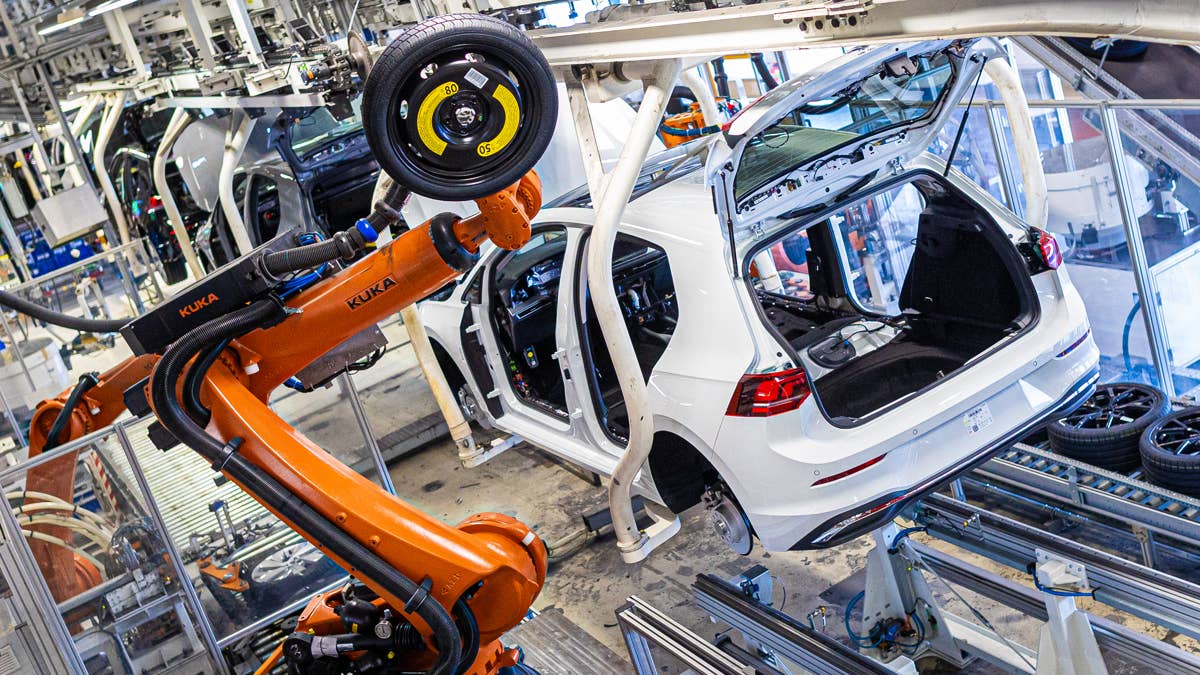
On paper, Volkswagen should have been one of the winners. It has spent decades building factories, engineering cars specifically for India and selling models from Volkswagen and Skoda. Yet its combined market share remains in the single digits, dwarfed by local leaders such as Maruti Suzuki, Hyundai, Tata Motors and Mahindra. Unlike in the U.S., India’s market has long favored inexpensive, highly localized vehicles backed by vast dealer networks and low-cost servicing, areas where domestic manufacturers have held a significant advantage.
That’s where JSW enters the picture. Imagine if Nucor or U.S. Steel suddenly became one of America’s most influential car companies. Best known globally as one of India’s largest steelmakers, the conglomerate has quietly become a serious automotive player. It already helped reshape MG Motor India after becoming a strategic investor, giving MG deeper local roots at a time when foreign automakers were finding it harder to go alone. Winning increasingly requires local ownership, local suppliers and local political and industrial relationships.
Final Thoughts
Volkswagen Group China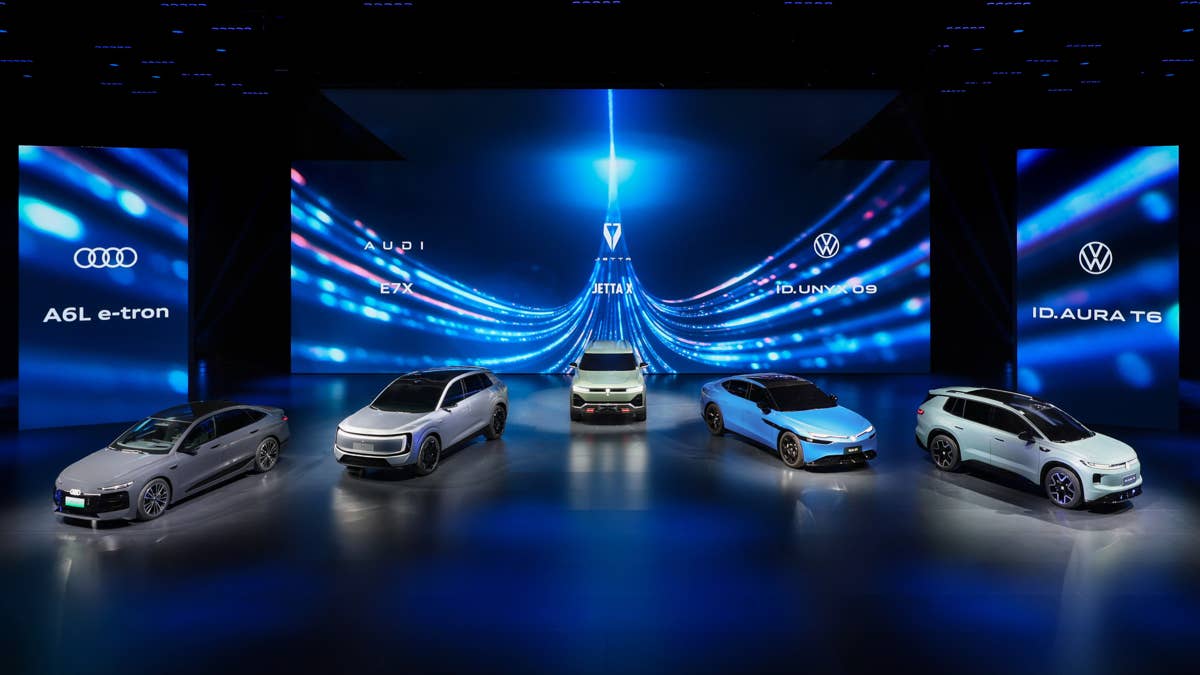
This isn’t just an India story. For decades, global automakers expanded overseas by taking control of local operations and expecting those markets to adapt to them. Today, the opposite is happening. Volkswagen has already relied on Chinese partners to accelerate EV development, and now it appears willing to surrender control in India to remain competitive.
And that’s the real takeaway. If one of the world’s largest automakers concludes that its best chance of success is letting a local company take the wheel, it says as much about the future of the global auto industry as it does about Volkswagen itself.